
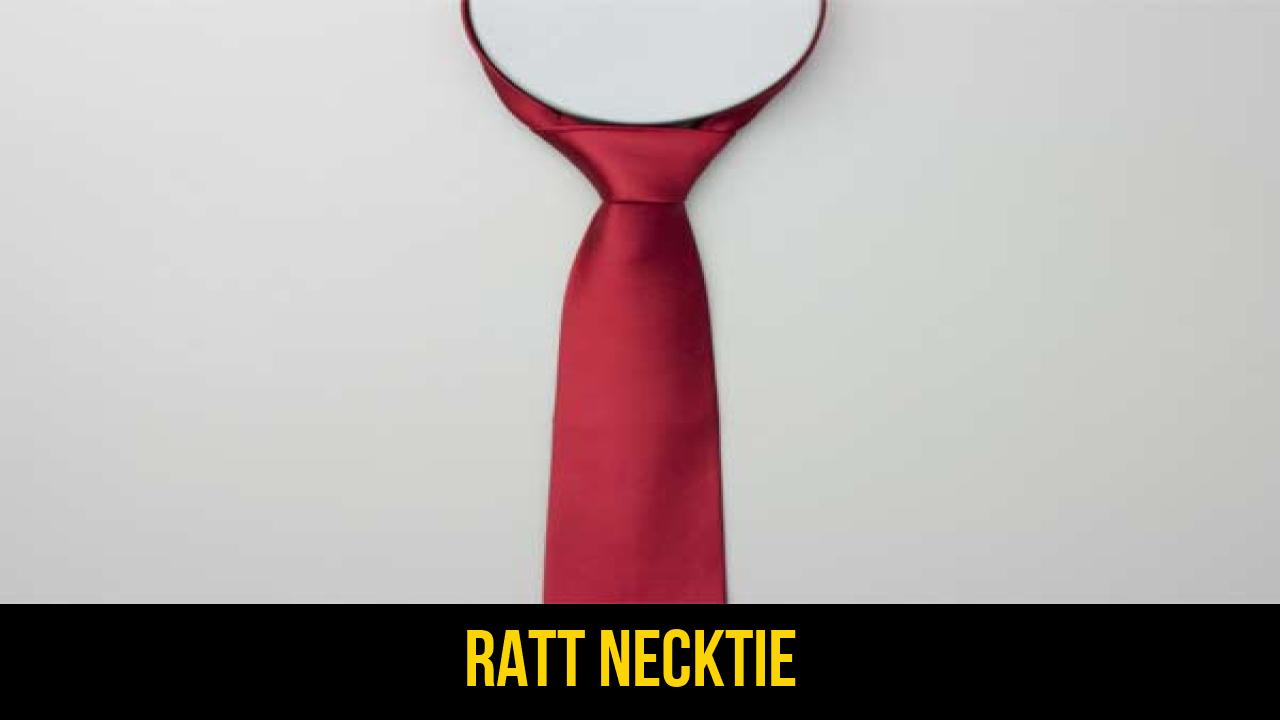
In the world of specialized cordage and decorative rope knots, few configurations offer the unique balance of symmetry and efficiency quite like the Pratt Necktie. While often associated with formal attire, the geometry and structural integrity of this knot make it a fascinating study for enthusiasts of outdoor rope techniques. Whether you are preparing for a formal event at a high-altitude lodge or studying the mechanics of symmetrical bends for decorative camp crafts, mastering this knot is a mark of a true specialist.
The Pratt Necktie knot is distinguished by its "inside-out" starting position, a rare trait in the world of traditional loops and hitches. This specific orientation allows for a thinner profile that does not sacrifice the bulk required for a professional appearance. For the outdoor professional, understanding how different materials—from silk to paracord—interact with this structure is essential for achieving the perfect finish.
Alternative names for this knot include: The Shelby Knot, The Pratt-Shelby, and the Milan Knot.
What Is a Pratt Necktie?
The Pratt Necktie is a versatile, medium-sized knot that is famously symmetrical. It was popularized in the late 1980s after Jerry Pratt, an employee of the US Chamber of Commerce, had been tying it for decades. It eventually gained global fame when television personality Don Shelby wore it on air, leading to its dual nomenclature.
In a technical sense, the Pratt Necktie is a "triangular" knot. Unlike the Four-in-Hand, which is slanted and asymmetrical, the Pratt offers a balanced aesthetic that sits perfectly between the smaller Half-Windsor and the much larger Full Windsor.
Practical Uses in Outdoor and Professional Settings
While its primary application is in neckwear, the principles of the Pratt Necktie knot apply to several outdoor rope techniques:
- Scouting and Ceremonial Gear: Used in creating decorative lanyards or uniform neckerchiefs where a flat, symmetrical knot is required.
- Decorative Utility: In camp settings, this knot structure can be used to create flat-profile decorative wraps for tool handles when using fine cordage.
- Educational Demonstration: It serves as an excellent teaching tool for beginners to understand the importance of "initial orientation" (working with the back of the material outwards), a concept also found in certain specialized climbing and sailing hitches.
Materials and Tools Needed
To achieve a perfect Pratt Necktie, the choice of material is paramount. In the context of rope knots, the diameter and "hand" (the feel and flexibility) of the cordage will dictate the final result.
Recommended Materials
- Standard Necktie: Silk or high-quality polyester works best for the traditional application.
- Paracord (550 Cord): If practicing for outdoor decorative purposes, use gutted paracord (inner strands removed) to allow the knot to lay flat.
- Micro-cord: Excellent for creating small-scale decorative versions of the knot for gear identifiers.
Essential Tools
- Mirror: Essential for beginners to track the "behind and in front" movements.
- Flat Surface: Useful for "dressing" the knot (straightening the edges) before final tensioning.
- Measuring Tape: To ensure the long end and short end are proportioned correctly before starting the first wrap.
How to Tie Pratt Necktie?
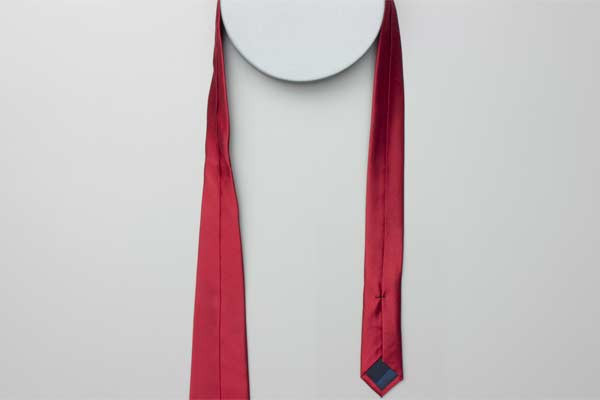
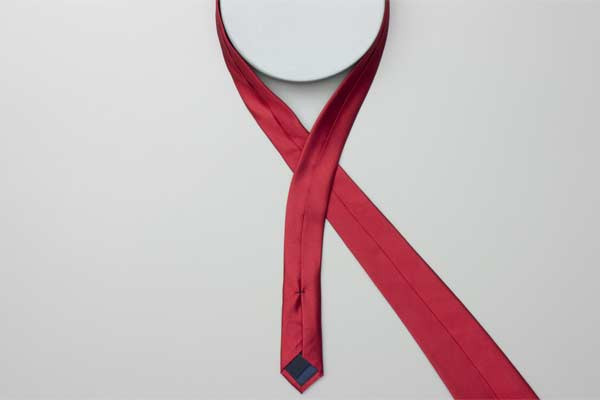
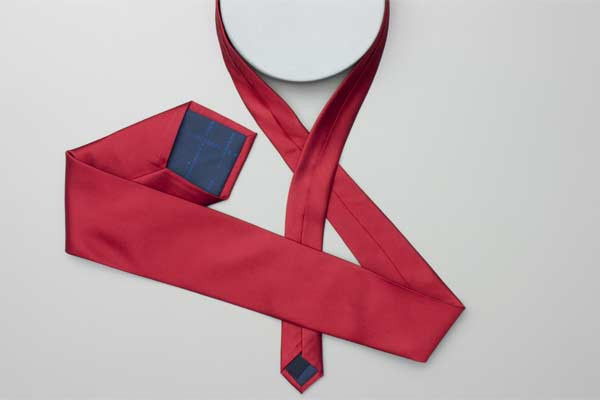
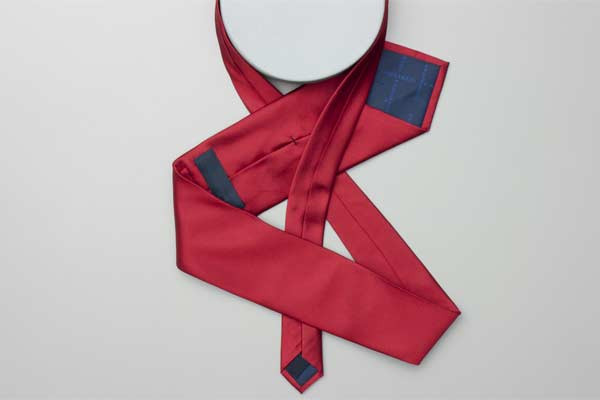
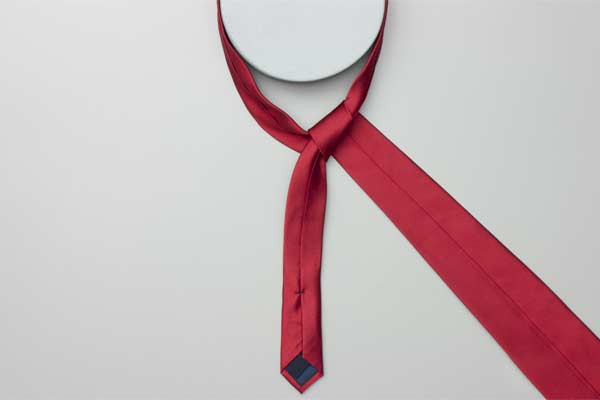
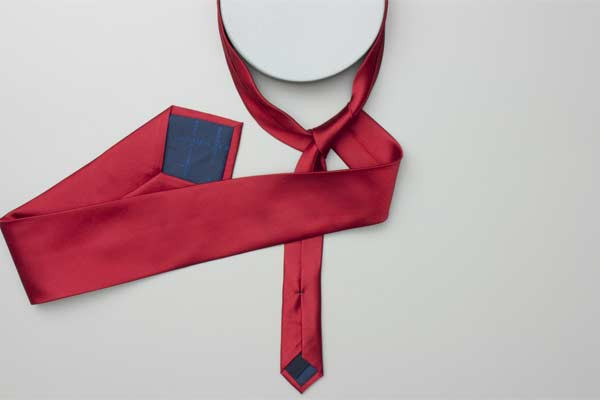
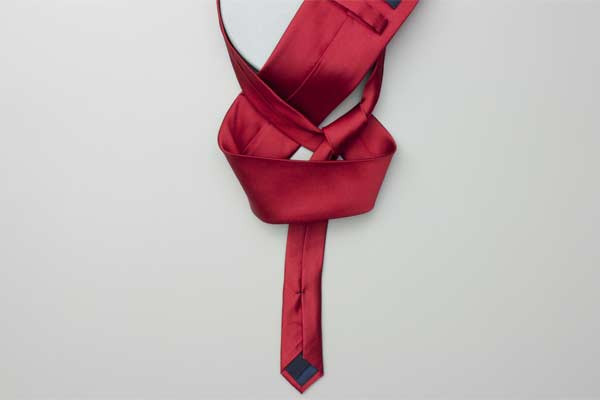
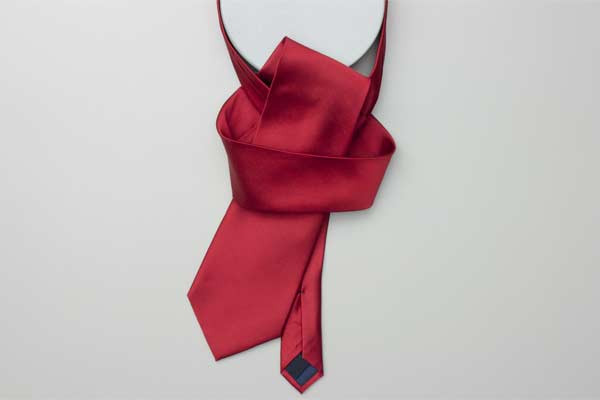
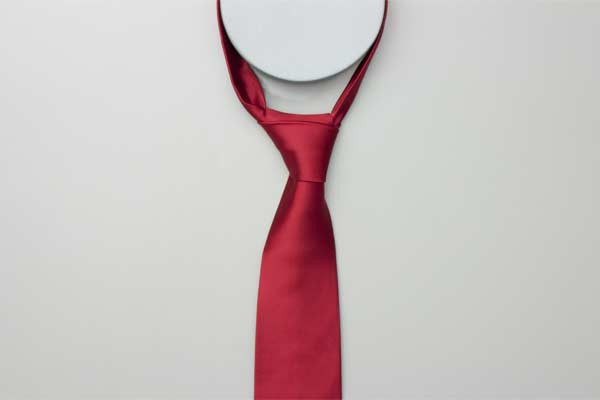
To ensure the structural integrity and aesthetic symmetry of the Pratt Necktie knot, follow these technical steps precisely. This method utilizes the "inside-out" start, which is the defining characteristic of this technique.
- With the back of the tie outwards, pass the long end behind, and then in front of, the short end.
- Wrap the long end around the short end.
- Continue across in front, up and forward by the neck, and down under itself.
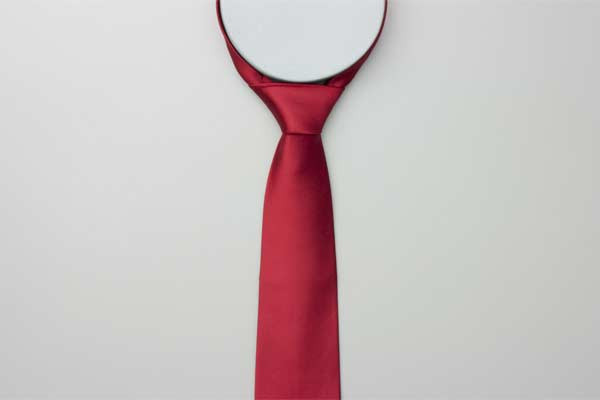
- Pull the long end to tighten the knot, then the short end to make snug against the neck.
Common Mistakes to Avoid
Even seasoned experts in outdoor rope techniques can encounter issues with the Pratt Necktie if they ignore the physics of the material.
1. Incorrect Initial Orientation
The most common error is starting with the front of the material facing out. Unlike 90% of other rope knots, the Pratt must begin with the seams or the "back" of the material facing away from the body. If started incorrectly, the finished knot will show the raw seams, compromising both aesthetics and friction.
2. Improper Tensioning (The "Choke" Effect)
When you pull the long end to tighten the knot, doing so too aggressively can deform the internal "bridge" of the knot. This leads to a lopsided appearance. Always tension the knot gradually, "dressing" the material as you go to ensure the fabric or rope lays flat.
3. Neglecting the "Dimple"
In professional circles, a Pratt is not complete without a central dimple just below the knot. Failing to pinch the material as you perform the final pull-through results in a flat, lifeless knot that lacks the architectural depth characteristic of high-end cordage work.
4. Over-bulk in Material
Using a very thick, wool-lined rope or tie for a Pratt Necktie knot can make the knot appear disproportionately large for the neck. For thicker materials, specialists often revert to the Four-in-Hand or a simple Overhand knot to manage the volume.
Related Knots and Splicing
Understanding the Pratt Necktie is often a gateway to mastering other complex rope knots. Here are a few related techniques:
- The Half-Windsor Knot: A symmetrical knot that is slightly larger than the Pratt; it does not require the "inside-out" starting position.
- The Four-in-Hand: A smaller, asymmetrical knot that is the most common utility knot for neckwear due to its simplicity.
- The Windsor Knot: The "King of Knots" in formal wear, providing a massive, wide triangular shape that requires significantly more length.
- The Bowline: A fundamental outdoor rope technique used to form a fixed loop at the end of a rope; essential for safety and utility.
- Decorative Splicing: The process of weaving rope strands together; often used in conjunction with decorative knots to finish the ends of lanyards.
Final Words
The Pratt Necktie is more than just a fashion statement; it is a masterclass in knot symmetry and efficient cordage management. By starting "inside-out" and following a precise wrapping sequence, you create a knot that is secure, aesthetically pleasing, and technically sound.
Whether you are applying these outdoor rope techniques to your professional wardrobe or using them to diversify your knowledge of rope knots for camping and scouting, the Pratt remains a vital tool. Its medium size and balanced shape make it adaptable to almost any situation, proving that even in the world of technical gear, elegance and functionality can go hand-in-hand. Practice the tensioning, respect the material, and you will find the Pratt Necktie knot to be one of the most reliable additions to your technical repertoire.
