
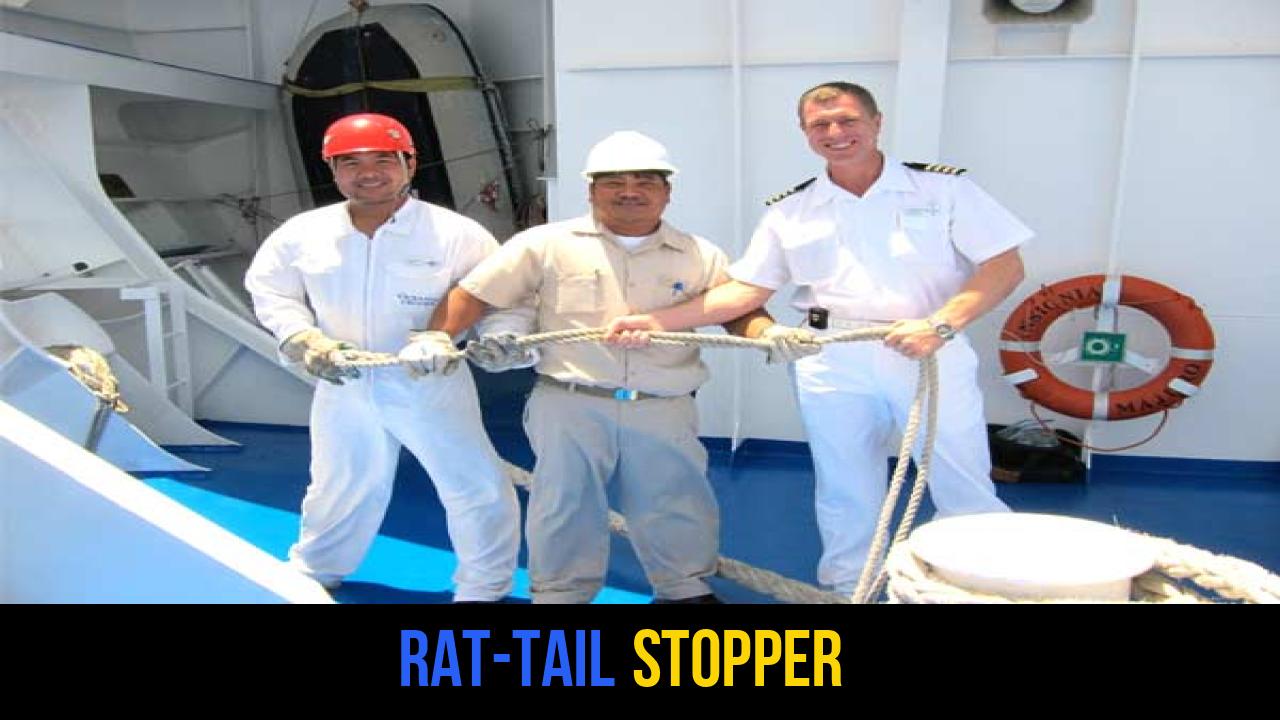
In the high-stakes world of maritime operations and heavy-duty rope handling, the ability to manage extreme tension is not just a skill—it is a safety requirement. Among the most critical rope knots used on the decks of ships and in complex outdoor rope techniques is the Rat-Tail Stopper. This specialized knot is designed to hold the tension of a massive mooring line, allowing deckhands to safely transfer the line from a winch to the bitts.
Understanding the mechanics of the Rat-Tail Stopper knot is essential for anyone involved in nautical engineering, search and rescue, or advanced rigging. While it may appear simple at first glance, the physics of friction and the specific sequence of its application are what make it a reliable tool in the face of thousands of pounds of force. This article provides an in-depth look at this essential maritime tool, detailing its practical applications, the materials required for its success, and a precise guide on how to secure it effectively.
Alternative names for this technique include: Mooring Stopper, Rat-Tail Hitch, Boatswain’s Stopper, and Rope Stopper.
What Is a Rat-Tail Stopper?
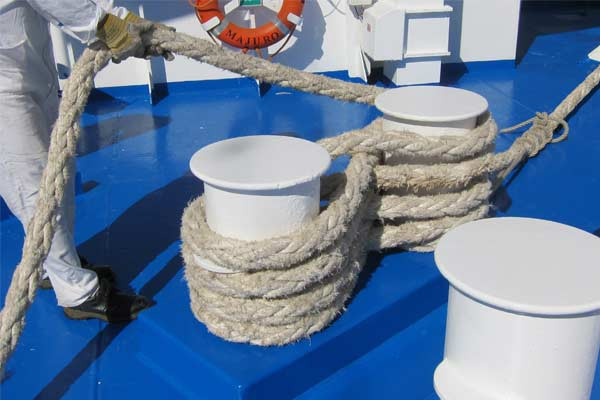
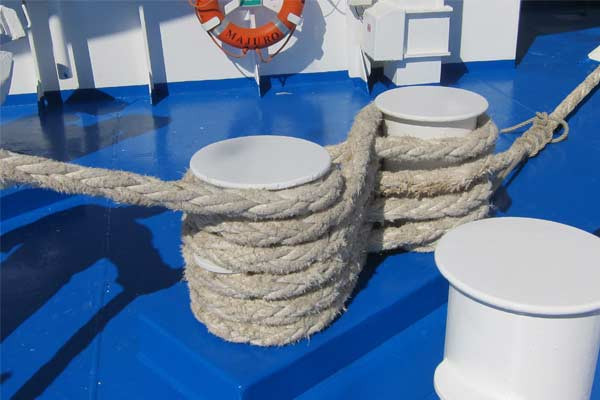
The Rat-Tail Stopper is a friction-based hitch used primarily in maritime environments to "stop" or hold a line under tension. Unlike a decorative knot or a simple loop, the Rat-Tail Stopper is a functional tool used during the mooring process. When a ship is being pulled toward a pier, a winch (or windlass) does the heavy lifting. However, once the ship is in position, the line must be moved from the winch to the "bitts" (heavy metal posts on the deck) to be permanently secured.
The Rat-Tail Stopper knot acts as a temporary bridge. It grips the mooring line tightly, holding the tension so that the part of the rope wrapped around the winch can be slackened and moved without the ship drifting away or the line snapping back.
Practical Uses
- Maritime Mooring: Securing large vessels to a dock by transferring line tension.
- Heavy Rigging: Used in industrial settings where a secondary line must hold the load of a primary line.
- Emergency Tension Management: Providing a temporary hold if a winch or mechanical tensioner fails.
- Towing Operations: Managing the transition of tow lines between different securing points.
Materials and Tools Needed
To execute a Rat-Tail Stopper correctly, the choice of materials is paramount. Because this knot deals with significant kinetic energy, using the wrong type of rope can lead to slippage or catastrophic failure.
The Stopper Line (The "Rat-Tail")
The stopper itself is usually a shorter, smaller-diameter rope compared to the main mooring line.
- Material: Ideally, the stopper should be made of a material with a high coefficient of friction. Traditionalists often use natural fibers like manila, but modern synthetic blends designed for "grip" are now common.
- Diameter: Usually 1/3 to 1/2 the diameter of the main mooring line.
The Mooring Line
This is the "working" line that is under tension.
- Material: Often high-strength synthetic fibers like Polypropylene, Polyester, or high-modulus polyethylene (HMPE). These lines are incredibly strong but can be very "slick," making the correct application of the stopper even more vital.
Hardware
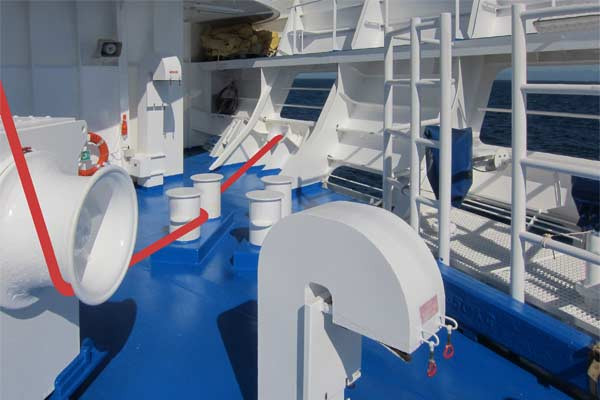
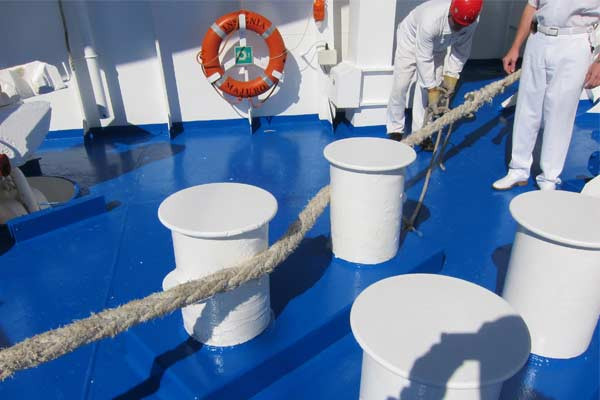
- The Bitts: Heavy-duty twin pillars used for securing lines.
- The Hawse Hole: The reinforced hole in the ship’s hull through which the mooring line passes.
- The Winch: The mechanical device providing the initial tension.
How to Tie Rat-Tail Stopper?
Tying the Rat-Tail Stopper knot requires precision and an understanding of the path the rope takes from the sea to the deck. Follow these steps exactly to ensure a secure hold.
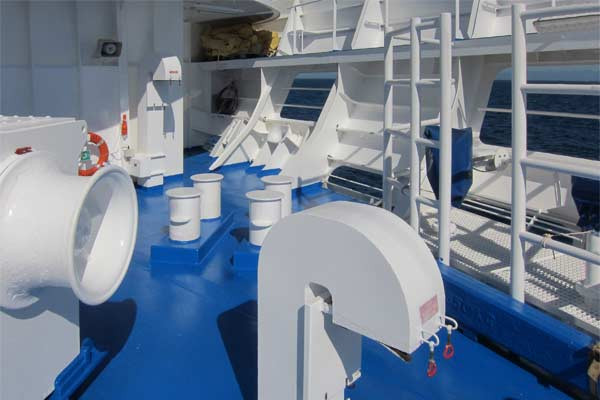
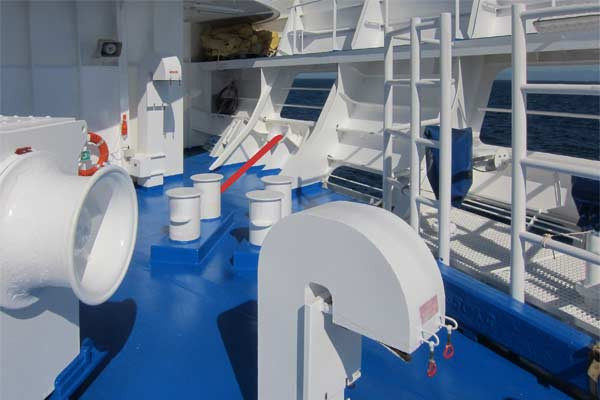
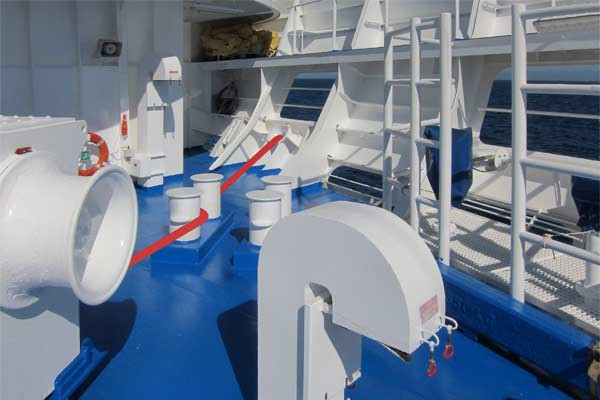
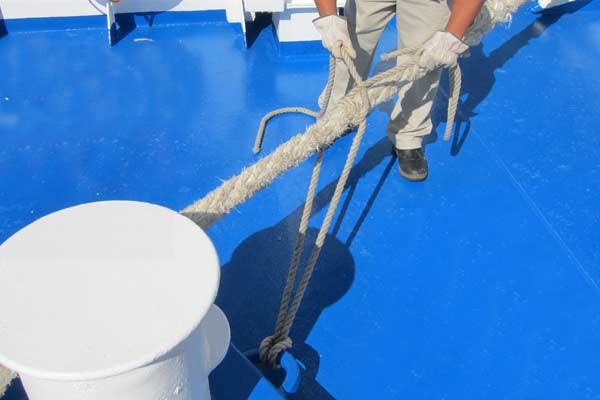
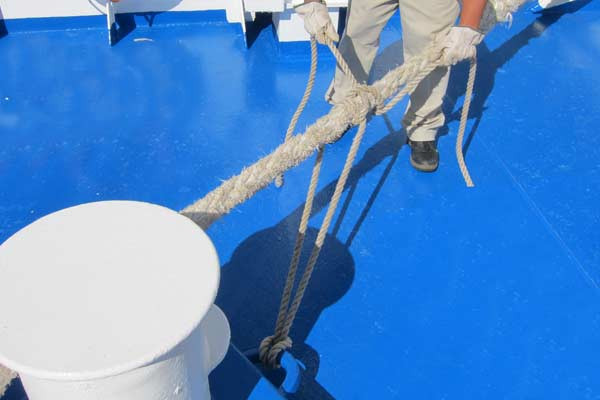
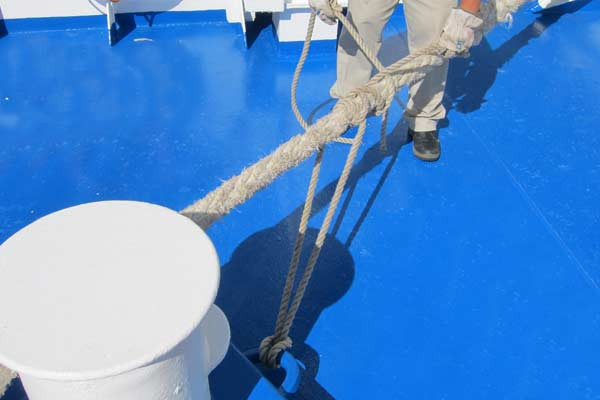
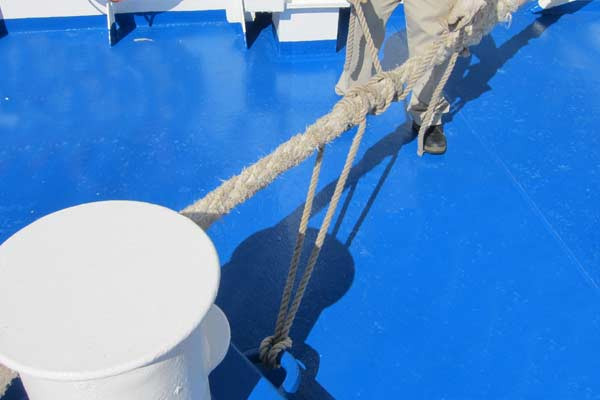
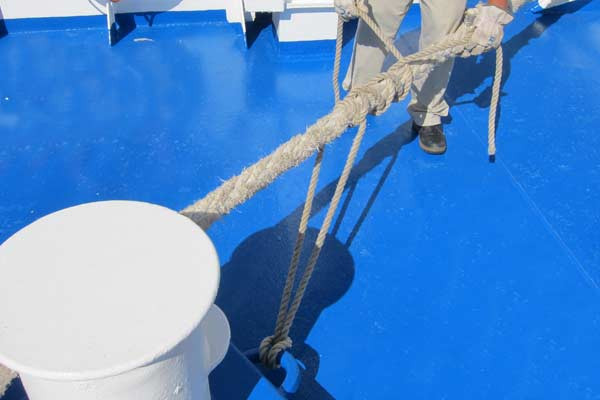
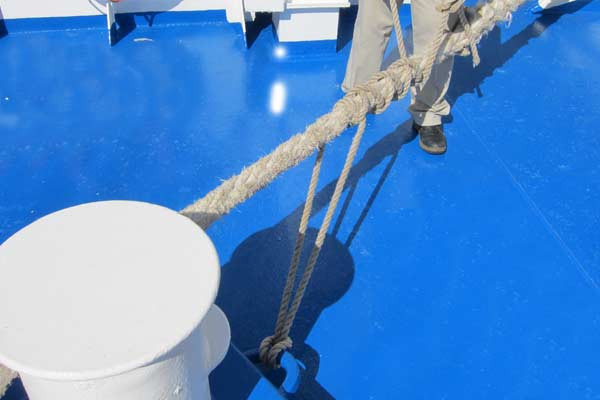
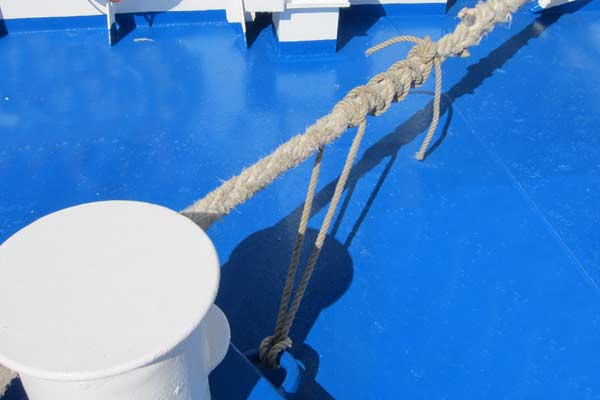
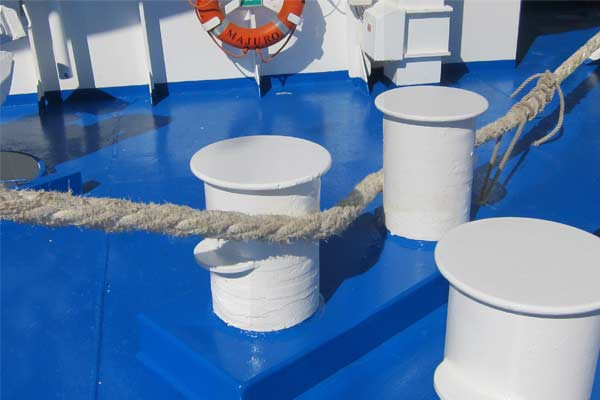
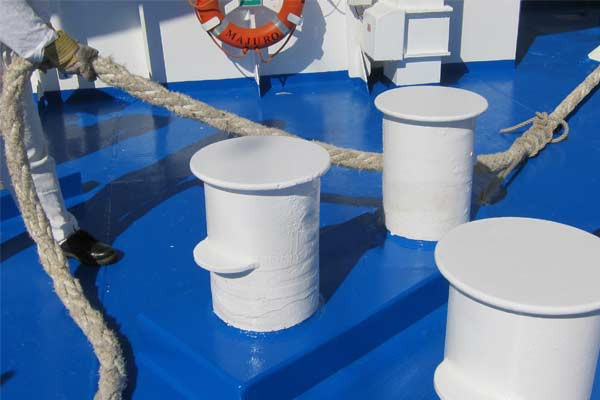
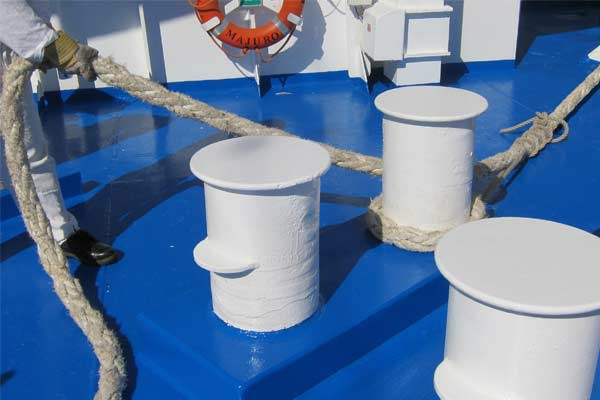
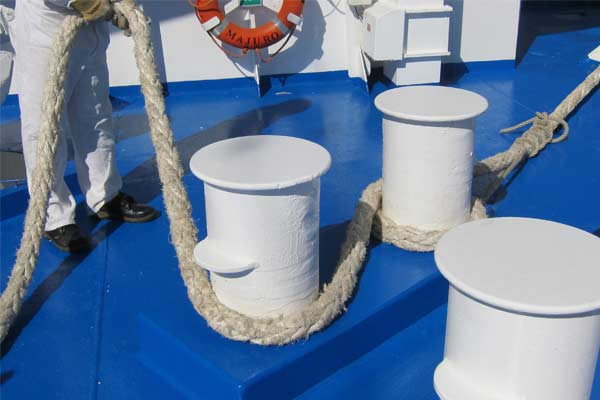
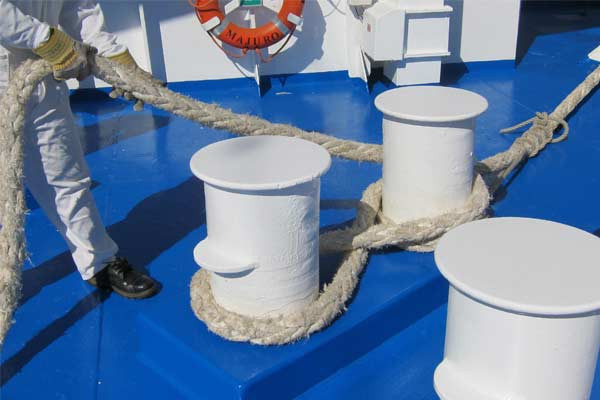
- The Mooring Line is stretched from the Hawse Hole, between the Bitts, and on to the winch.
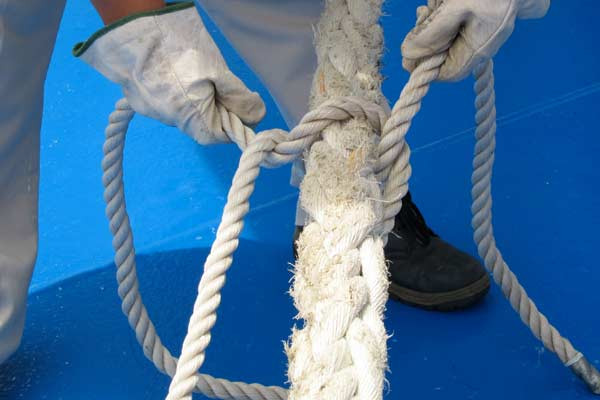
- The Rat-Tail Stopper is attached to the Base of the Bitts using a Cow Hitch.
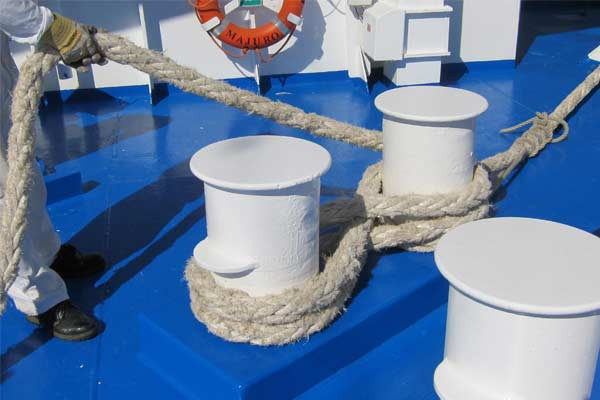
- Using the two ends, a Half Knot is tied around the Mooring Line.
Note: After the initial Half Knot is tied according to the instructions above, the remaining length of the two ends is typically wrapped tightly around the mooring line against the direction of the tension (marling) to maximize friction before being held by hand or finished with another hitch.
The Physics of the Rat-Tail Stopper
To truly master outdoor rope techniques, one must understand why the Rat-Tail Stopper works. The principle at play here is the Capstan Equation, which describes how the holding power of a rope increases exponentially as it is wrapped around a cylindrical object.
When the Cow Hitch is secured to the Base of the Bitts, it creates a fixed anchor point. The Half Knot then introduces the initial friction onto the mooring line. As tension is applied from the hawse hole side, the stopper rope bites into the mooring line. The more tension the mooring line exerts, the tighter the stopper rope becomes, provided the wraps are maintained correctly.

Common Mistakes to Avoid
Even experienced mariners can make errors when the deck is moving and the wind is howling. Here are the most common mistakes when dealing with rope knots of this magnitude:
- Using a Slick Stopper: If the stopper rope is made of the same "slick" material as the mooring line (like pure Spectra or Dyneema), it may not provide enough friction. Always ensure the stopper has a "toothy" texture.
- Incorrect Cow Hitch Placement: If the Cow Hitch is not at the very Base of the Bitts, it can slide upward when tension is applied, potentially causing the stopper to fail or the bitts to be side-loaded improperly.
- Insufficient Tension on the Half Knot: The initial Half Knot must be pulled tight immediately. If there is any slack, the mooring line will "surge" (slip) when the winch is eased.
- Ignoring the Snap-Back Zone: Always stand clear of the "snap-back zone"—the path the rope would take if it were to break. Never stand directly in line with a rope under tension.
Related Knots and Splicing
Expanding your knowledge of rope knots involves understanding how different hitches interact with each other. Here are a few related techniques:
The Rolling Hitch
A friction hitch used to attach a rope to a pole or another rope. It is similar to the Rat-Tail Stopper but is generally used for lighter loads or when pulling in a longitudinal direction.
The Clove Hitch
A simple binding knot used to secure a rope to a cylindrical object. While not as secure as a Cow Hitch for the base of a stopper, it is a fundamental building block in outdoor rope techniques.
The Bowline
Often called the "King of Knots," the Bowline creates a fixed loop at the end of a rope. It is used extensively in mooring but serves a different purpose than a friction stopper.
Eye Splice
Instead of using a knot, an eye splice is a permanent loop worked into the end of a rope. Most professional mooring lines have an eye splice at the end to be thrown over a bollard.
Safety Considerations in Heavy Weather
When performing a Rat-Tail Stopper technique during heavy weather, the risks increase significantly. The surging of the ship due to waves can create "shock loads." A shock load is a sudden increase in tension that can exceed the breaking strength of the rope or the holding power of the stopper.
In these conditions, professionals often use a "double stopper" or ensure that the wraps following the Half Knot are extra long. This increases the surface area and the total friction, providing a higher safety margin. Always wear appropriate Personal Protective Equipment (PPE), including gloves, a helmet, and steel-toed boots, when working on the deck.
Final Words
The Rat-Tail Stopper is a testament to the elegance of traditional seamanship. In an era of high-tech machinery, this simple configuration of a Cow Hitch and a Half Knot remains the most reliable way to handle the massive forces involved in ship mooring.
Whether you are a professional mariner, an enthusiast of outdoor rope techniques, or someone interested in the technical application of rope knots, mastering the Rat-Tail Stopper is a vital step in your education. By following the precise steps outlined in this guide and respecting the immense power of tensioned lines, you ensure both the safety of your vessel and the longevity of your equipment.
Practice these techniques in a controlled environment with lower-tension lines before attempting them in a professional maritime setting. Consistency, attention to detail, and a respect for the physics of the rope are the hallmarks of a true master of the craft.
