
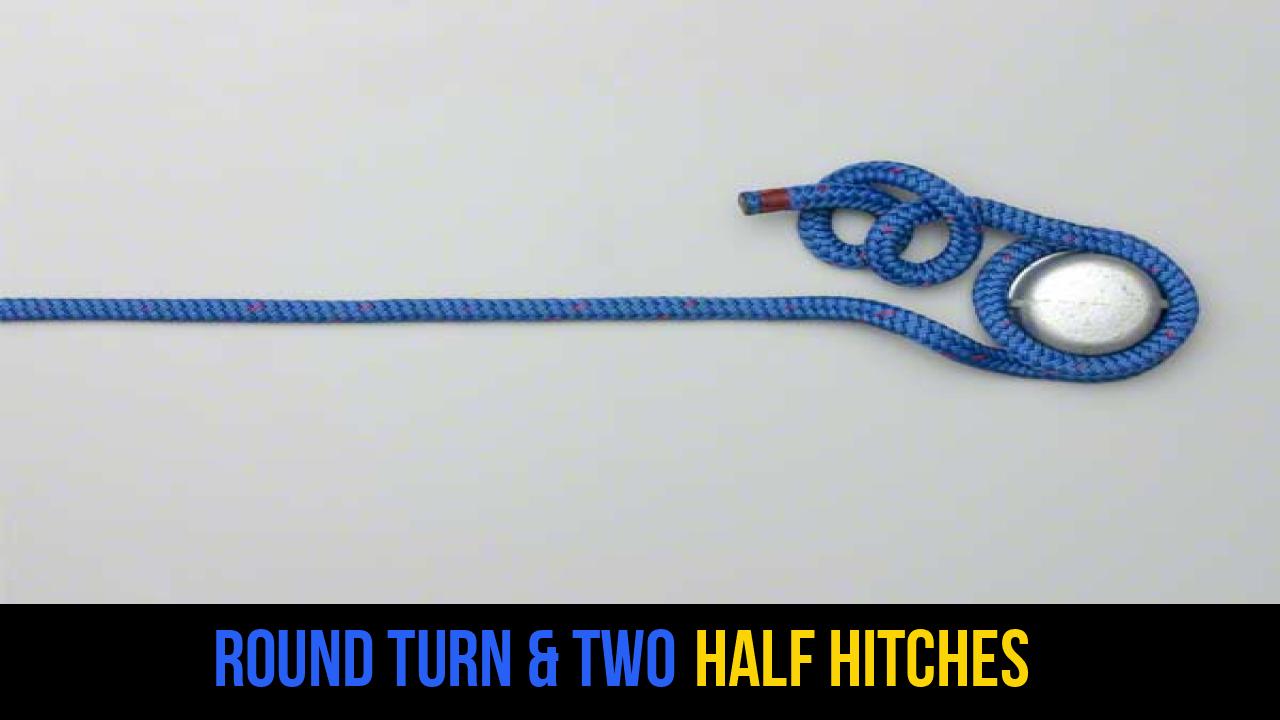
In the world of rope knots and outdoor rope techniques, few hitches command as much respect for their simplicity and reliability as the Round Turn & Two Half Hitches. Whether you are a seasoned sailor, a dedicated scout, or an outdoor enthusiast setting up a basecamp, mastering this knot is a fundamental skill that ensures safety and security under tension.
The beauty of this knot lies in its mechanical advantage. Unlike many other hitches that can jam under extreme pressure or slip when the rope is slick, the Round Turn & Two Half Hitches remains easy to untie even after being subjected to heavy loads. It is the "workhorse" of the hitch family, designed to handle the primary strain of a load before the finishing hitches are even applied. This makes it an indispensable tool for anyone working with cordage in high-stakes environments.
Historically, this knot has been a staple in maritime tradition, used for everything from securing a boat to a bollard to fastening a heavy bucket to a line. Its versatility has allowed it to transcend the docks, finding a permanent home in modern camping, arboriculture, and DIY home projects.
Alternative Names: Round turn and two half-hitches, Fisherman’s hitch (informal), Anchor hitch (closely related variation), and the Back-handed hitch.
What Is a Round Turn & Two Half Hitches?
The Round Turn & Two Half Hitches is a secure hitch used to attach a rope to a fixed object, such as a post, ring, spar, or tree. It consists of two distinct parts: the round turn, which involves wrapping the rope twice around the object, and two half hitches, which are tied around the standing part of the rope to lock the turn in place.
Practical Uses and Applications
This knot is particularly valued in scenarios where the rope will be under constant or surging tension. Because the "round turn" creates significant friction against the object, the person tying the knot can control a heavy load with minimal effort while completing the final hitches.
- Mooring and Sailing: It is frequently used to secure a painter (the rope at the bow of a boat) to a ring or a post. Even as the tide shifts or waves pull the boat, the knot remains stable.
- Camping and Bushcraft: If you are setting up a ridgeline for a heavy canvas tarp or securing a hammock to a sturdy tree, this knot ensures the line won’t slip down the trunk.
- Load Securing: When transporting equipment on a trailer or roof rack, this hitch provides a dependable termination point for your tie-down straps or ropes.
- Rescue and Utility Work: Linemen and arborists use variations of this hitch to hoist tools or secure lowering lines because it does not "bind" (become impossible to untie) after being loaded.
Materials and Tools Needed
To effectively execute outdoor rope techniques, you must choose the right materials for the environment and the load.
Rope Types
- Nylon: Excellent for this knot because of its elasticity and strength. Nylon can absorb shock loads, making it ideal for mooring.
- Polyester (Dacron): Low stretch and high UV resistance. This is the preferred choice for permanent outdoor installations like flagpoles or clotheslines.
- Polypropylene: A common, floating rope often used in water sports. While it can be slippery, the Round Turn & Two Half Hitches performs better with "poly" than simpler hitches because the double wrap provides extra grip.
- Natural Fibers (Manila/Cotton): While less common today, natural fibers provide excellent "bite" on wooden posts.
Essential Tools
- The Object: A sturdy post, ring, or tree. Ensure the object is fixed and can handle the intended load.
- Gloves: If you are working with heavy loads or rough synthetic ropes, high-quality leather work gloves will prevent rope burn during the "round turn" phase.
- Knife/Cutting Tool: Always have a sharp blade on hand to trim excess rope or in case of an emergency release.
How to Tie Round Turn & Two Half Hitches?
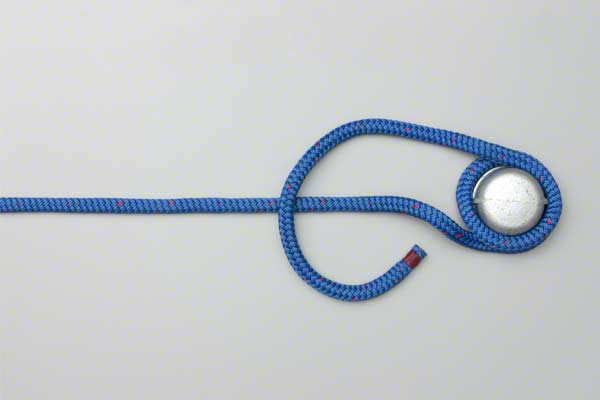
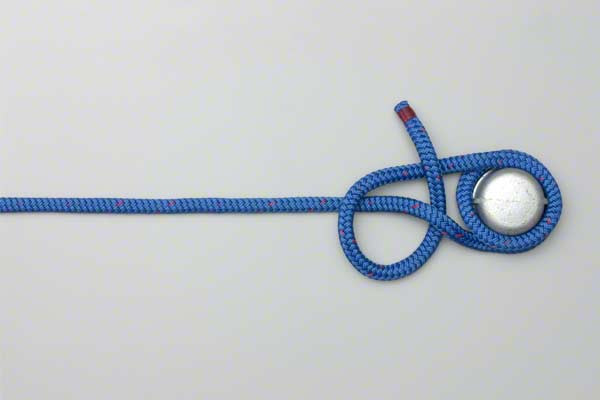
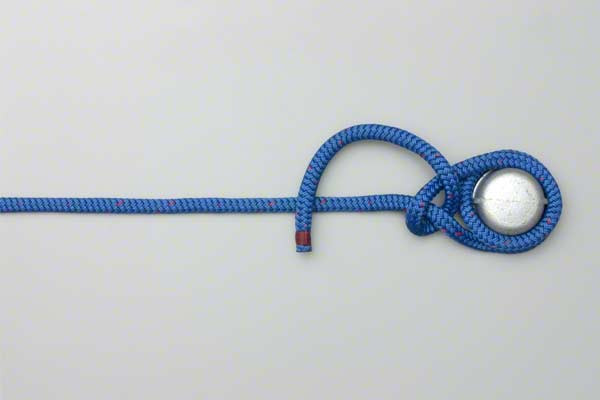
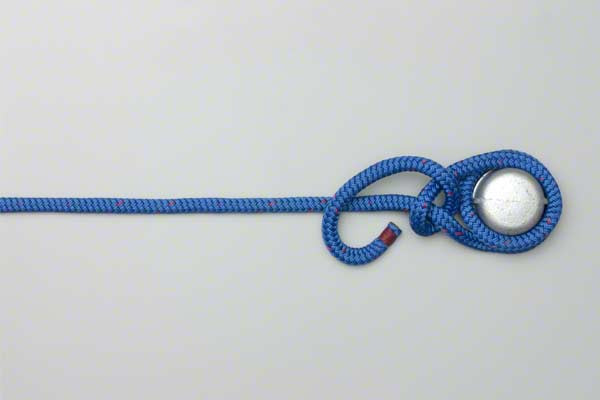
Following the proper sequence is vital to ensuring the knot functions as intended. The "round turn" is the most critical component for friction, while the "half hitches" provide the security.
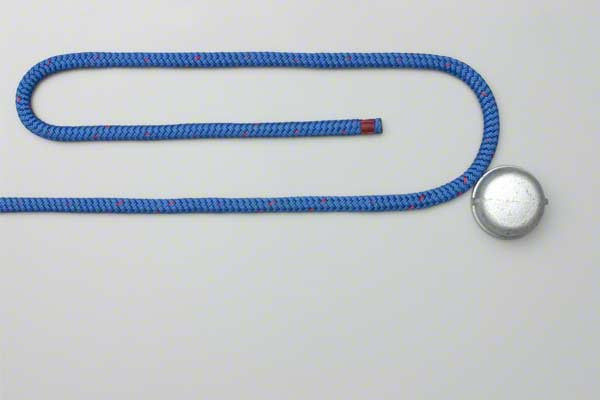
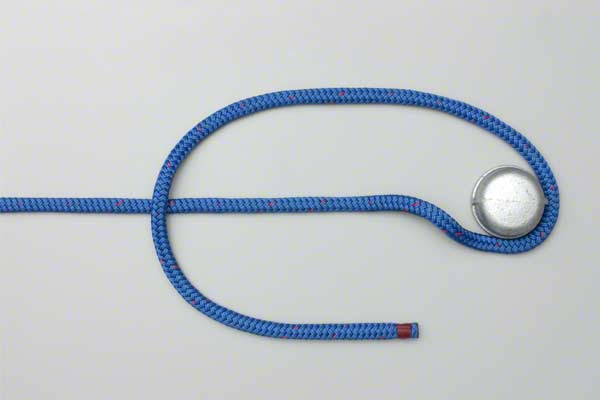
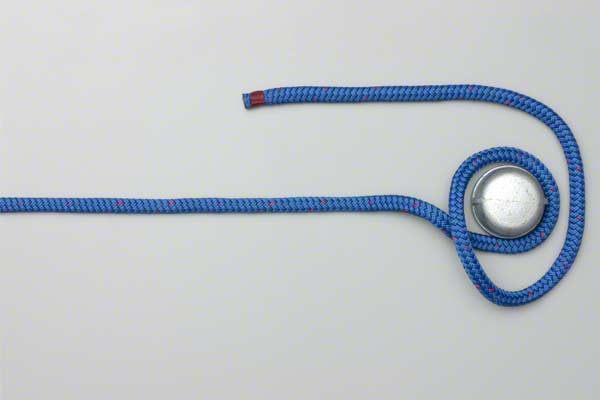
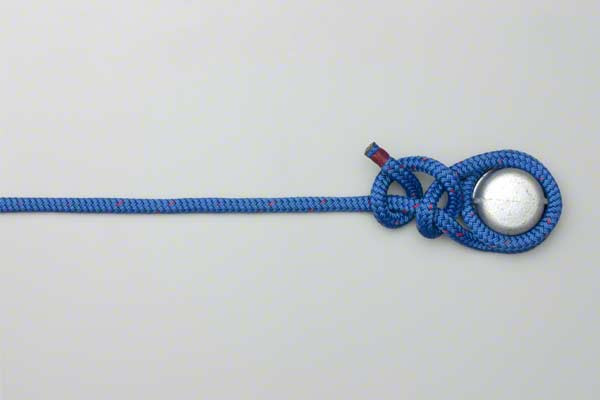
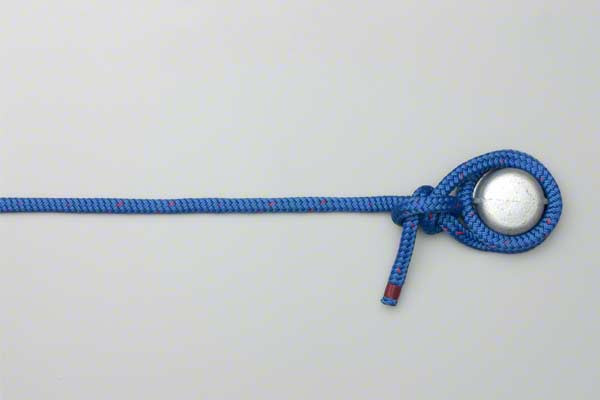
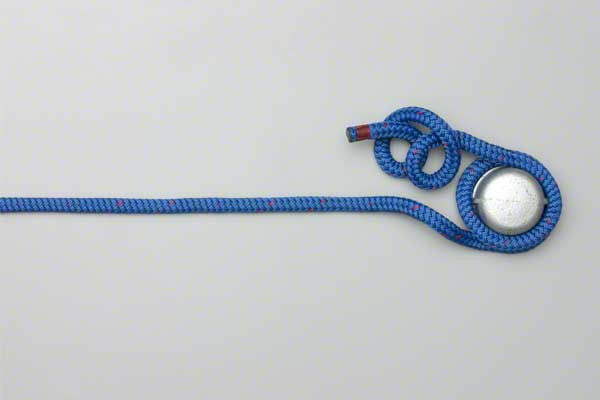
- Pass the end around the post twice. This takes the strain while you tie the knot.
- Go around the standing end to make the first Half Hitch. Pull this tight.
- Continue around in the same direction to make the second Half Hitch.
- Pull tight to complete the knot.
Common Mistakes to Avoid
Even though the Round Turn & Two Half Hitches is considered a beginner-friendly knot, certain errors can compromise its integrity.
1. Reversing the Direction of the Second Half Hitch
The most common mistake is tying the second half hitch in the opposite direction of the first. This creates a "clove hitch" that is not properly oriented against the standing part, which can lead to the knot loosening or "rolling" under a heavy load. Always ensure you continue around in the same direction.
2. Not Pulling the Round Turn Snug
While the round turn is meant to take the strain, if it is left too loose before the hitches are applied, the knot may shift significantly when the load is increased. This can cause chafing (friction damage) on the rope.
3. Using an Insufficient Number of Turns
While the standard is two turns (a "round turn"), if you are using an exceptionally slick rope (like Spectra or Dyneema) or a very small diameter post, you may need an additional turn to create enough friction. However, for standard rope knots applications, the two-turn method is the gold standard.
4. Ignoring the Tail Length
Always leave a sufficient "tail" (the bitter end) after the second half hitch. If the rope stretches or the knot settles, a short tail could potentially slip through the hitches. A good rule of thumb is to leave a tail at least five times the diameter of the rope.
Related Knots and Splicing
Understanding how the Round Turn & Two Half Hitches relates to other knots will improve your overall proficiency in outdoor rope techniques.
- The Clove Hitch: A quick way to secure a rope to a post, but prone to slipping or jamming compared to the Round Turn & Two Half Hitches.
- The Anchor Bend: Similar to the Round Turn & Two Half Hitches, but the first half hitch is tucked under the round turns for added security in water.
- The Bowline: Known as the "King of Knots," it creates a fixed loop at the end of a rope and is often used in conjunction with hitches for complex rigging.
- The Taut-Line Hitch: An adjustable friction hitch used on lines under tension, ideal for tent guy-lines where you need to adjust the length.
- The Figure-Eight Follow-Through: The primary knot for climbers to tie into their harness; it is incredibly strong but serves a different purpose than a hitch.
The Physics of the Round Turn
To truly appreciate this knot as a technical gear specialist, one must understand the physics at play—specifically the Capstan Equation. This principle explains how the friction of a rope wrapped around a cylinder (the post) allows a small holding force on one side to resist a much larger loading force on the other.
When you pass the end around the post twice, you are exponentially increasing the friction. By the time the rope reaches the standing end where you tie your first half hitch, the actual tension the hitches need to "hold" is only a fraction of the total load. This is why the Round Turn & Two Half Hitches is so much more secure than a simple Clove Hitch or a single Half Hitch. It uses the object itself to do the heavy lifting.
Practical Scenario: Securing a Tarp in a Storm
Imagine you are in the backcountry and a storm is rolling in. You need to secure your main ridgeline to a tree to keep your gear dry. If you use a knot that jams, you will struggle to pack up the next morning when the rope is wet and tight.
By using the Round Turn & Two Half Hitches, you can pull the ridgeline taut, wrap it twice around the tree to hold that tension instantly, and then calmly tie your two half hitches. Even if the wind gusts at 40 mph all night, putting immense pressure on the line, the "round turn" protects the hitches from welding shut. In the morning, you simply loosen the hitches and the rope slides free.
Final Words
The Round Turn & Two Half Hitches is a masterclass in functional simplicity. It is an essential component of any outdoor enthusiast’s repertoire of rope knots, providing a perfect balance of security, ease of use, and reliability.
Whether you are mooring a multi-ton vessel or simply hanging a heavy gear bag away from bears in the wilderness, this knot will not let you down. Practice it until it becomes muscle memory, and you will find yourself reaching for this specific outdoor rope technique more often than almost any other. Remember: the round turn takes the strain, and the two half hitches provide the peace of mind. Happy tying!
