
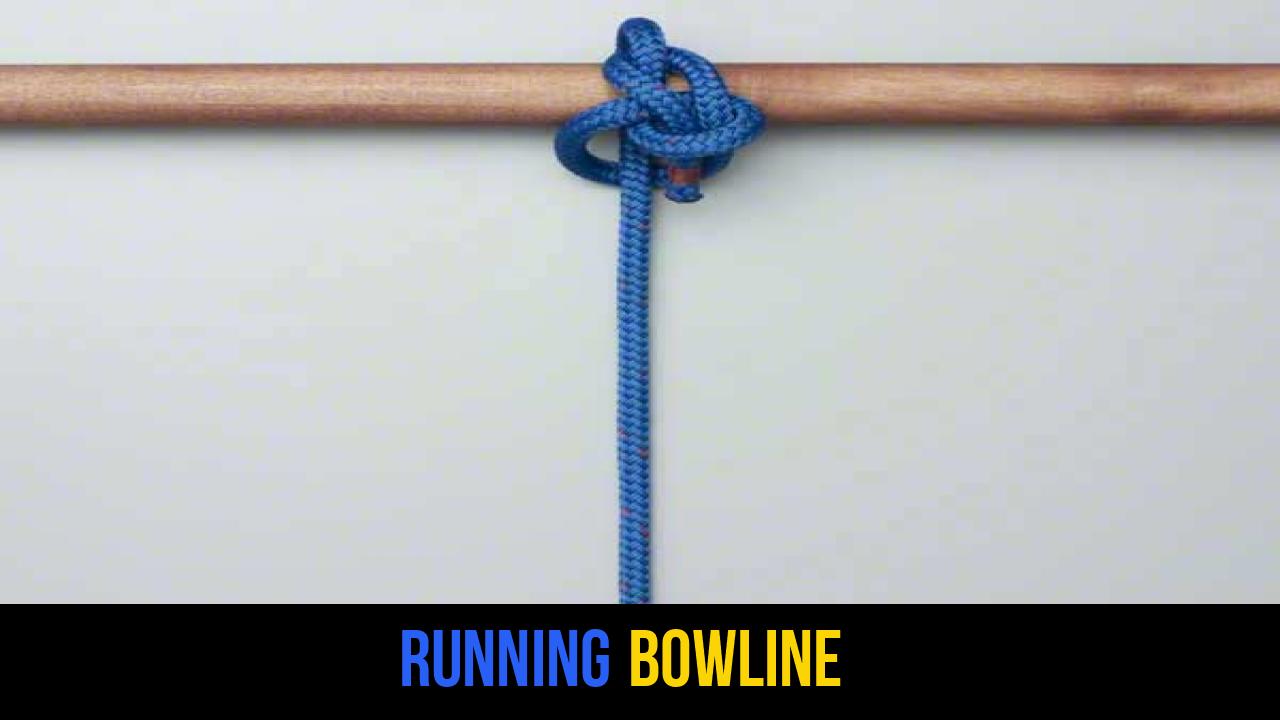
In the vast world of rope knots, few families carry as much prestige and history as the bowline. Often referred to as the "King of Knots," the bowline is celebrated for its security, simplicity, and the fact that it does not jam under a heavy load. However, when you need a knot that functions as a sliding loop—essentially a high-strength lasso—you turn to the Running Bowline.
The Running Bowline is a sophisticated variation of the standard bowline. Instead of creating a fixed loop, it is tied around its own standing part, allowing the loop to slide freely. This makes it an indispensable tool for arborists, sailors, and outdoor enthusiasts who need to cinch a line around a distant object or secure a load that may shift. Whether you are retrieving a fallen branch from a canopy or securing gear on a boat deck, mastering this specific outdoor rope technique is a hallmark of a proficient rigger.
Alternative Names: Sliding Bowline, Slip Bowline, Traveler’s Loop.
What Is a Running Bowline?
The Running Bowline is technically a "running" knot, which means it creates a slip-noose. While many slip knots, like the simple Noose or the Hangman’s Knot, can become incredibly difficult to untie after being subjected to extreme tension, the Running Bowline retains the best characteristic of the bowline family: it remains easy to undo regardless of how much weight it has held.
Practical Applications
This knot is widely used across several professional industries:
- Arboriculture: Tree climbers and arborists use the Running Bowline to send tools up a tree or to secure a "felling" line to a limb high in the canopy. Because it can be tied "at a distance" by throwing the rope over a branch and then tying the knot around the standing line, it is incredibly efficient.
- Sailing and Maritime: It is often used to recover items that have gone overboard or to create a temporary sliding hitch on a rail.
- Search and Rescue: While not typically used for life-safety suspension (where a fixed loop is preferred), it is used for hauling equipment or debris.
- General Utility: In camping or bushcraft, it is excellent for creating an adjustable tensioner for a ridgeline or securing a load on a vehicle.
Materials and Tools Needed
To practice and master the Running Bowline knot, you must first select the appropriate rope. Not all ropes behave the same way under tension, and the security of your knot often depends on the material.
Rope Types
- Three-Strand Twisted Rope: This is the traditional "sailor’s rope." It provides excellent grip and is easy to "read" (inspect) for errors.
- Kernmantle Rope: Common in climbing and modern utility work, these ropes have a smooth sheath. While strong, they can be slippery, requiring the knot to be dressed very tightly.
- Natural Fibers (Manila or Sisal): These are great for practice as they have high friction, meaning the knot stays in place while you are learning.
Essential Considerations
- Diameter: A 10mm to 12mm (3/8" to 1/2") rope is ideal for learning. It is thick enough to see the structure of the knot clearly but flexible enough to manipulate.
- Gloves: When working with heavy loads or rough natural fibers, always wear high-quality leather work gloves to prevent rope burn.
- The Object (The Pole): To practice the Running Bowline, you will need a fixed object like a fence pole, a sturdy tree branch, or a horizontal railing.
How to Tie Running Bowline?
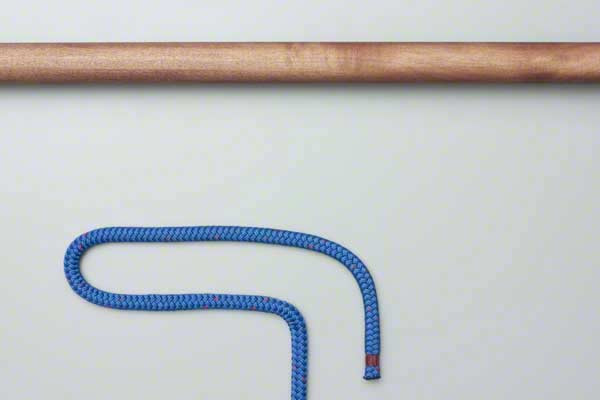
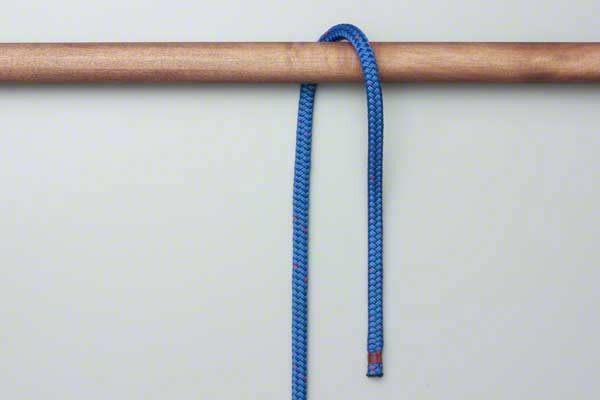
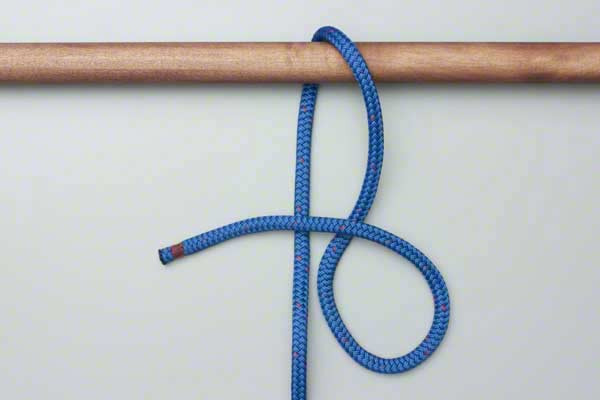
Tying the Running Bowline requires precision and an understanding of how the "tail" interacts with the "standing end." Follow these steps carefully to ensure a secure and functional knot.
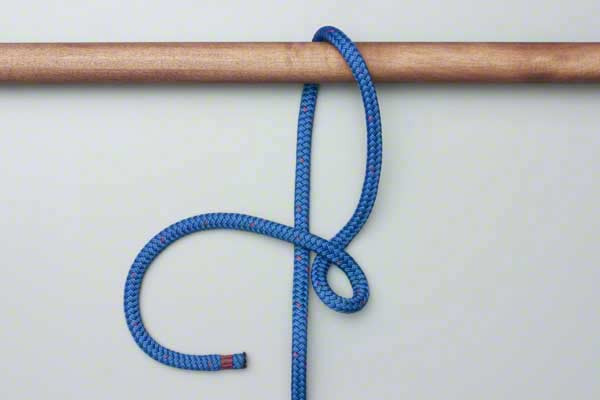
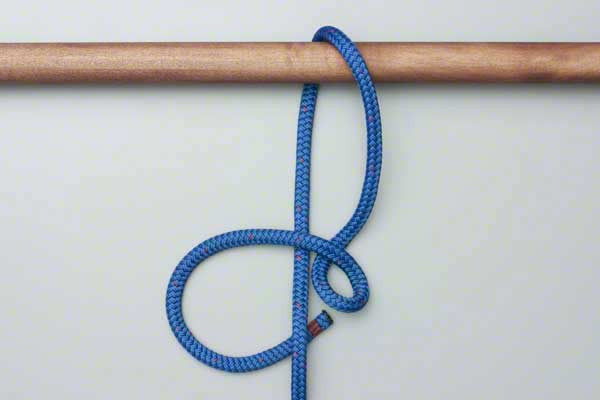
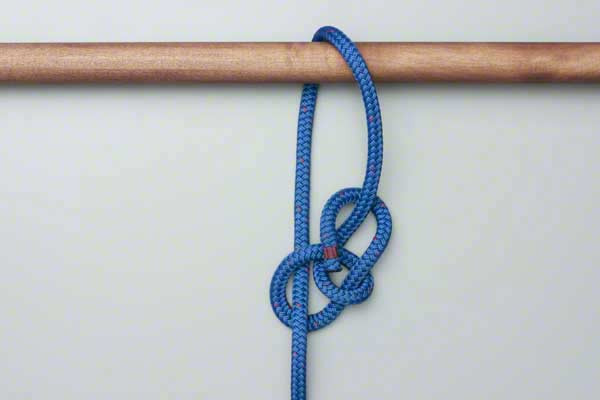
- Pass the rope over the pole.
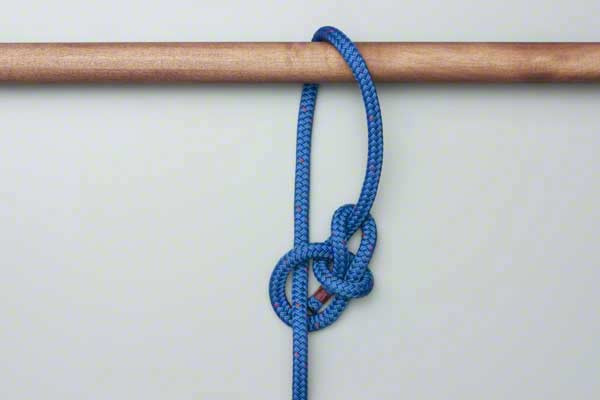
- Form a loop in the tail.
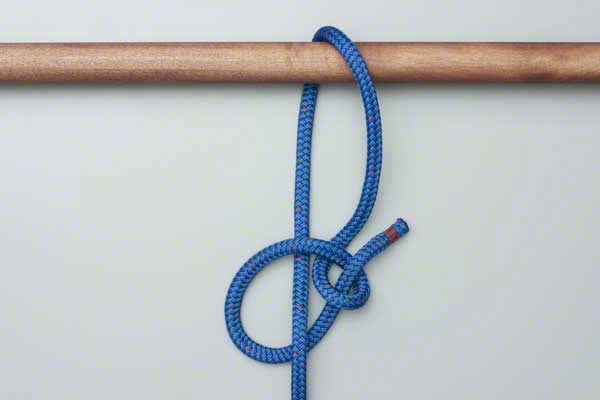
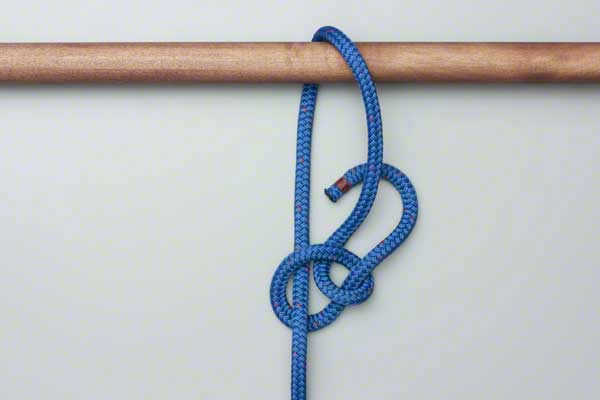
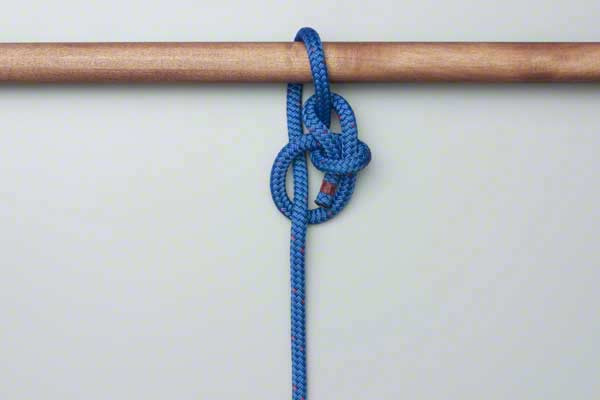
- Pass the short end round the standing end, through the loop, around itself, and back through the loop to form the bowline.
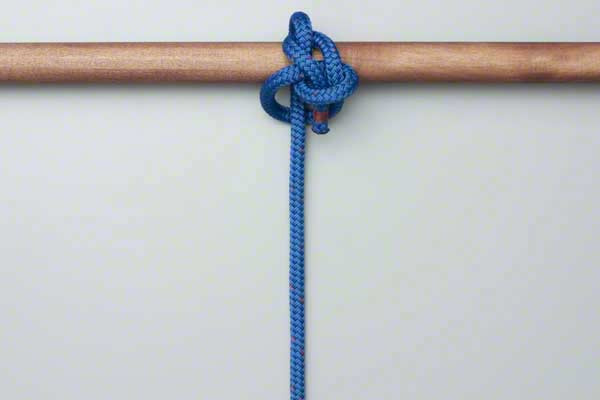
- Pull on the standing end to run the bowline up against the pole.
Common Mistakes to Avoid
Even seasoned professionals can make mistakes when tying rope knots under pressure. Here are the most common errors to watch for when executing the Running Bowline:
1. Tying the Bowline "Inside Out"
The "short end" or tail of the rope should typically end up inside the loop of the bowline itself. If the tail ends up on the outside (known as a "Left-Handed Bowline" or "Cowboy Bowline"), it may be more prone to snagging or accidentally loosening if it rubs against an object.
2. Insufficient Tail Length
One of the most dangerous mistakes in outdoor rope techniques is leaving the tail too short. Under heavy or cyclic loading, the rope can "creep." If the tail is too short, it can pull back through the knot, causing it to fail. Always ensure you have at least 4–6 inches of tail remaining.
3. Failure to "Dress" the Knot
"Dressing" a knot means tidying it up so that all segments are parallel and snug before applying a load. A messy knot is a weak knot. Once you have followed the steps, pull each part of the knot to ensure it is seated correctly before you "run" it up the pole.
4. Incorrect Standing End Placement
If you tie the bowline around the wrong part of the rope, you might end up with a fixed loop that doesn’t slide, or worse, a knot that collapses. Ensure the bowline is definitely encircling the standing end of the rope to allow for the "running" action.
Related Knots and Splicing
Understanding the Running Bowline knot is much easier when you understand its relatives. Here are a few other knots that share similar mechanics or purposes:
- The Standard Bowline: The foundation of the family; it creates a fixed, non-sliding loop at the end of a rope that is easy to untie after loading.
- The Bowline on a Bight: A method of tying a bowline in the middle of a rope without access to the ends, creating two secure, fixed loops.
- The Clove Hitch: A simple binding knot used to secure a rope to a post; unlike the Running Bowline, it can jam under extreme tension.
- The Figure-Eight Loop: A very strong, stable loop used primarily in life-safety applications like rock climbing; it is much bulkier than a bowline.
- The Slip Knot: A very basic sliding loop that is easy to tie but lacks the security and "non-jamming" properties of the Running Bowline.
Final Words
The Running Bowline is a masterclass in utility and efficiency. By combining the legendary security of the bowline with the functional versatility of a sliding noose, it provides a solution for countless rigging challenges. Whether you are working in the canopy of an old oak tree or securing a vessel in a harbor, this knot is a vital addition to your repertoire of outdoor rope techniques.
Remember that proficiency comes with practice. Take a length of rope and repeat the steps provided until the movement becomes muscle memory. In the field, a correctly tied knot is not just a matter of convenience—it is a matter of safety. By avoiding common mistakes and choosing the right materials, you can ensure that the Running Bowline knot serves you reliably for years to come.
