
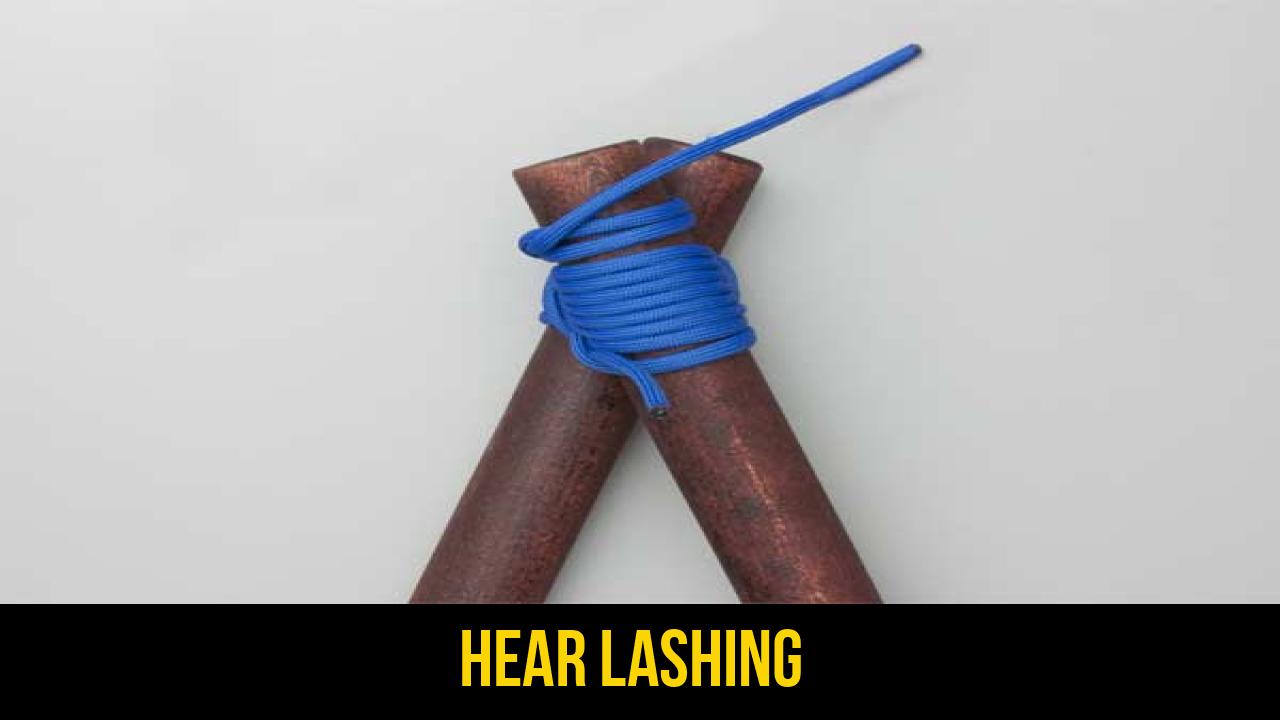
In the world of pioneering, scouting, and wilderness survival, the ability to join two pieces of timber securely is a fundamental skill. Among the various methods used to bind spars together, the Shear Lashing stands out as one of the most versatile and essential rope knots in any outdoorsman’s repertoire. Whether you are constructing a temporary bridge, a flagpole, or an A-frame shelter, mastering this technique ensures that your structures remain stable and safe under load.
The Shear Lashing is specifically designed to join two poles at a point where they will eventually be spread apart to form "shear legs." This mechanical advantage allows the lashing to tighten as the poles move, creating a rigid joint that can support significant weight. It is a cornerstone of outdoor rope techniques, bridging the gap between basic knot-tying and advanced structural engineering.
Commonly referred to by several names depending on the region and the specific application, this knot is also known as:
- Sheer Lashing
- Two-Pole Lashing
- A-Frame Lashing
- Parallel Lashing (when poles are not spread)
What Is a Shear Lashing?
A Shear Lashing knot is a method of securing two parallel poles (spars) together so that they can be pivoted or spread to form an "X" or an "A" shape. Unlike the Square Lashing, which is intended to keep two poles at a fixed 90-degree angle, the Shear Lashing is dynamic. It relies on the tension created by "frapping" turns and the subsequent spreading of the poles to lock the rope into place.
Practical Uses in the Field
The applications for this technique are vast, making it a favorite for bushcraft enthusiasts and civil engineers alike:
- Shear Legs: Used to create a lifting device (a "derrick") to move heavy logs or equipment.
- A-Frame Structures: The foundation for most primitive shelters and tent supports.
- Bridge Construction: Creating the support trestles for footbridges over streams.
- Flagpoles: Extending the height of a pole by lashing two shorter spars together (though a Round Lashing is often preferred for simple extensions, a Shear Lashing provides the necessary pivot for A-frames).
By understanding the physics of the Shear Lashing, you gain the ability to manipulate heavy materials with minimal equipment, relying on the strength of your cordage and the integrity of your wraps.
Materials and Tools Needed
To execute a perfect Shear Lashing, you must select the right materials. The strength of your structure is only as good as the weakest link in your system.
1. Choosing the Right Rope
For most outdoor rope techniques, natural fiber ropes are preferred for lashings because they offer better "grip" on wooden spars.
- Sisal or Manila Rope: These are the gold standard for pioneering. They have a slight stretch and a rough texture that prevents the lashing from sliding down the pole.
- Paracord (550 Cord): While excellent for small-scale projects or emergency shelters, paracord is often too thin and slippery for heavy-duty load-bearing lashings.
- Synthetic Ropes (Nylon/Polypropylene): These are durable but can be very slippery. If using synthetic rope, you may need to add extra wraps or frapping turns to ensure the knot doesn’t slip.
2. Selecting Spars/Poles
- Surface Texture: Ensure the poles are relatively clean of loose bark, as bark can peel off under tension, causing the lashing to loosen.
- Diameter: The rope diameter should be proportional to the pole diameter. A general rule of thumb is to use rope with a diameter roughly 1/10th that of the spar.
3. Essential Tools
- A Sharp Knife: For cutting the rope to length.
- Gloves: Pulling frapping turns tight can be hard on the hands; leather work gloves are highly recommended.
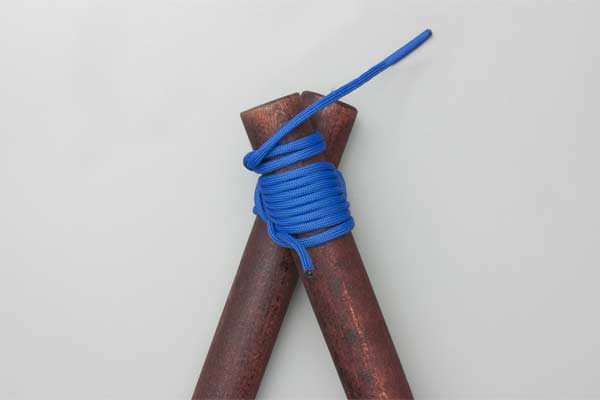
How to Tie Shear Lashing?
Following the traditional methods of pioneering, here is the exact process for securing your spars.
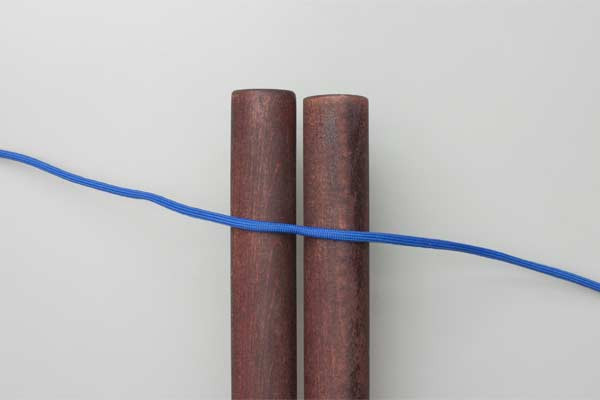
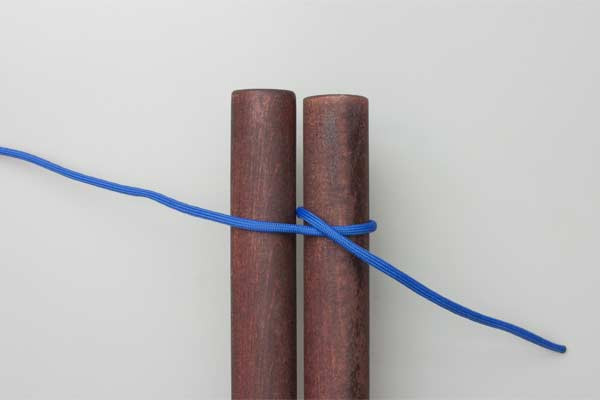
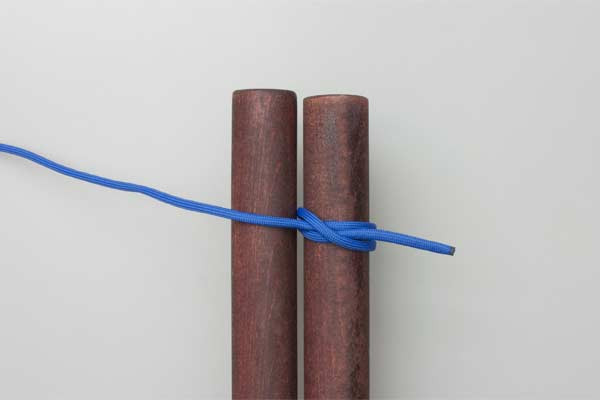
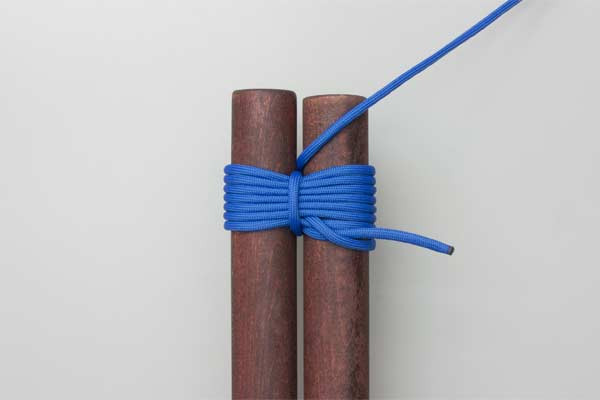
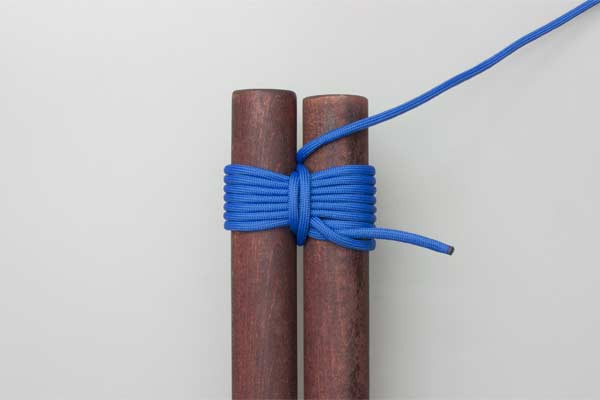
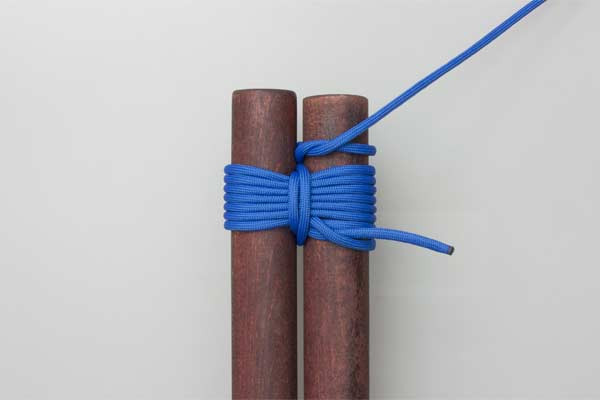
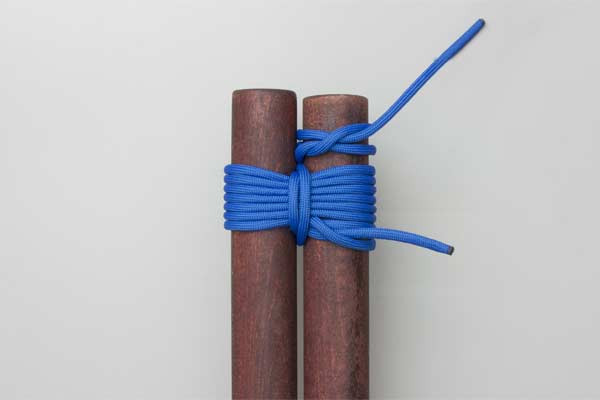
- Tie a clove hitch around one pole.
- Wrap both poles with a simple lashing.
- Wrap the lashing with a two or three tight frapping turns.
- Tie off the end with a clove hitch.
- Spread the poles to make shear legs.
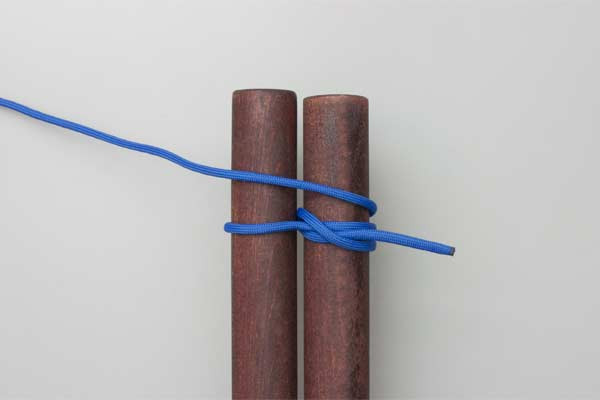
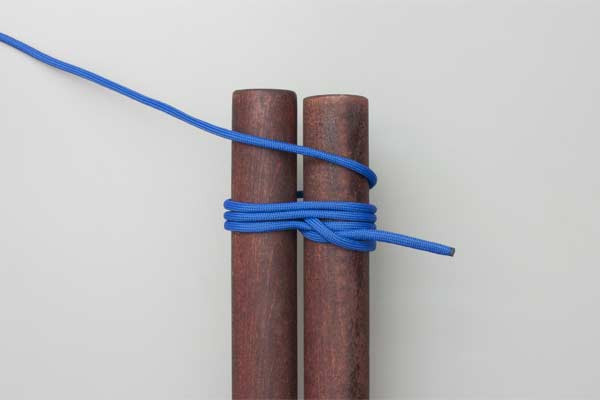
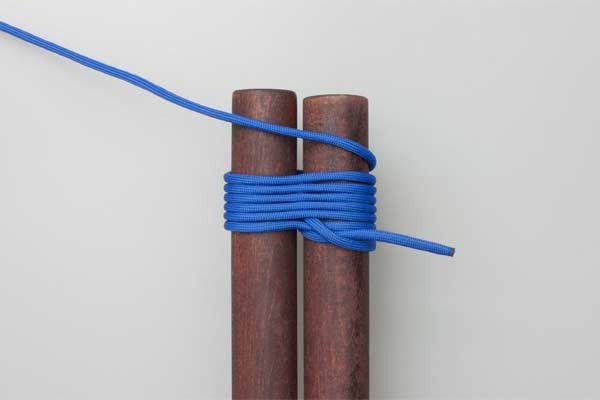
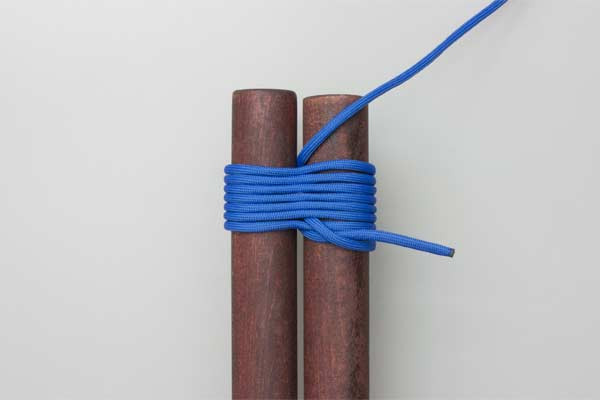
Common Mistakes to Avoid
Even experienced practitioners can make errors when applying rope knots to heavy timber. To ensure safety and longevity, avoid these common pitfalls:
1. Wrapping Too Tightly Initially
It may seem counterintuitive, but if your initial wraps around the two poles are excessively tight, you will not have enough room to insert your frapping turns. The frapping turns are what actually provide the structural tension. The initial wraps should be firm but allow for the rope to be squeezed between the poles during the frapping stage.
2. Overlapping the Wraps
When performing the "simple lashing" phase, ensure the wraps lie neatly side-by-side rather than crossing over each other. Overlapping wraps create high-pressure points that can cause the rope to saw through itself or snap under a heavy load.
3. Insufficient Frapping
The frapping turns are the most critical part of the Shear Lashing knot. They pull the wraps together and take up the slack. If you only do one turn or leave them loose, the poles will wobble, and the structure may collapse when you attempt to spread the legs.
4. Incorrect Clove Hitch Placement
Ensure your starting and ending clove hitches are secure. If the tail of the rope is too short, the hitch can "crawl" and eventually undo itself. Always leave a few inches of tail and, if possible, tuck the tail under the first wrap for added security.
Related Knots and Splicing
Understanding how the Shear Lashing fits into the broader family of outdoor rope techniques helps you choose the right tool for the job.
- Square Lashing: A fundamental technique used to join two poles that cross each other, usually at a 90-degree angle, to create rigid frames.
- Tripod Lashing: A variation used to join three poles together, allowing them to be spread into a stable, self-supporting tripod base.
- Clove Hitch: The "bread and butter" of lashings, this knot is used to start and finish almost every lashing technique efficiently.
- Timber Hitch: Often used as an alternative to the clove hitch for starting a lashing, especially when the rope needs to be easily adjustable under tension.
- Round Lashing: Used to bind two poles together side-by-side to increase the overall length of a spar without the intention of spreading them.
Final Words
The Shear Lashing is more than just a way to tie two sticks together; it is an essential engineering skill that has been used for centuries in maritime, scouting, and construction contexts. By mastering the balance between the initial wraps and the tension-inducing frapping turns, you can create incredibly strong structures with nothing more than a length of rope and found timber.
Whether you are building a simple "A-frame" for a campfire tarp or a complex system of shear legs for a pioneer bridge, the principles remain the same: neatness, tension, and the correct sequence of steps. As you practice these outdoor rope techniques, you will develop a "feel" for the rope, knowing exactly how much tension is required to keep your project standing tall.
Remember, safety is paramount. Always test your lashings with a non-critical load before putting them into service, and regularly inspect your rope knots for signs of wear or loosening. With the Shear Lashing in your skillset, the possibilities for outdoor construction are nearly limitless.
