
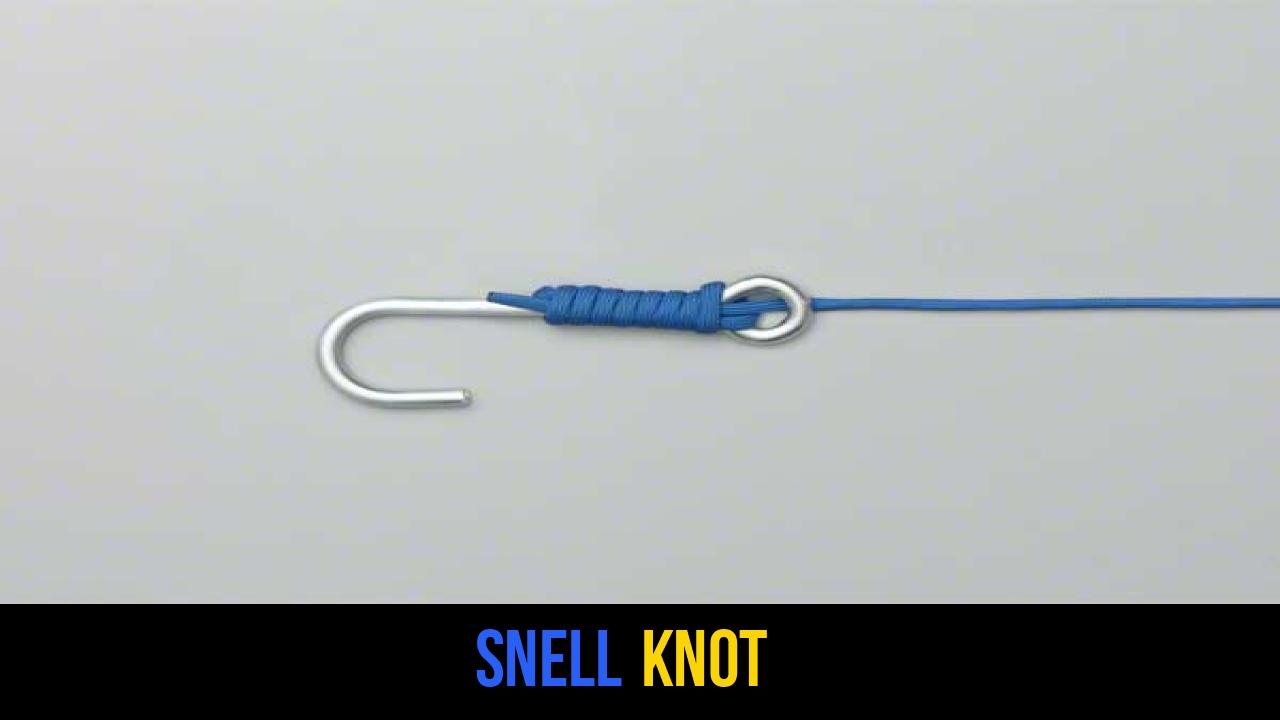
In the world of angling and specialized outdoor rope techniques, few connections are as revered or as technically sound as the Snell Knot. Whether you are a professional guide or a weekend enthusiast, understanding the mechanics of high-strength rope knots is essential for success in the field. The Snell Knot is a classic terminal tackle connection that has stood the test of time, predating many modern knots and remaining a staple for those who require a direct, inline pull on their hardware.
The primary advantage of this knot lies in its ability to distribute tension directly down the shank of the hook, rather than at the eye alone. This ensures that the hook remains perfectly aligned with the leader, significantly increasing the "hook-up" ratio. In this comprehensive guide, we will explore the history, application, and precise methodology required to master this essential skill.
Alternative Names: Snelling, Traditional Snell, Uni-Snell, Eye-Snell, and Shank Knot.
What Is a Snell Knot?
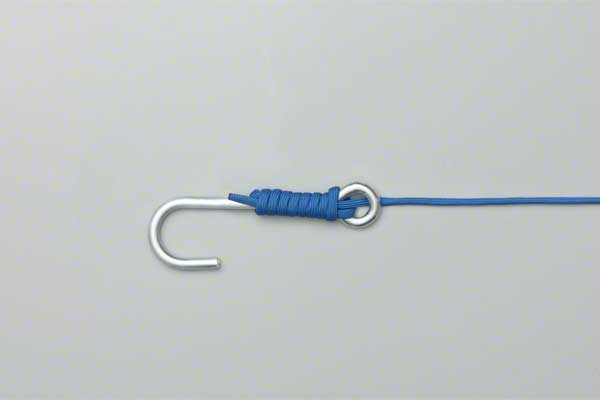
The Snell Knot is a specialized hitch used to attach a line (leader) to a hook. Unlike a standard loop knot or a clinch knot that terminates at the eye of the hook, a snell wraps around the hook’s shank. This design creates a mechanical advantage: when a fish pulls on the line, the force is transferred to the hook in a way that often "kicks" the point of the hook into the mouth of the fish, leading to more secure sets.
Practical Uses and Advantages
- Direct Alignment: Because the line passes through the eye and wraps the shank, the hook stays in a straight line with the leader.
- Live Bait Fishing: It is the gold standard for using live bait, as it allows the bait to move naturally while maintaining a high-strength connection.
- Heavy Cover Angling: When fishing in thick brush or kelp, the streamlined profile of the Snell Knot prevents debris from snagging on the knot itself.
- Flipping and Punching: Bass anglers often use this knot with heavy fluorocarbon or braided lines when "punching" through thick vegetation.
Understanding the Snell Knot is not just about fishing; it is a fundamental lesson in outdoor rope techniques that demonstrates how friction and tension work together to create a bond that is often stronger than the line itself.
Materials and Tools Needed
To tie a perfect Snell Knot, you need more than just a piece of string and a hook. The quality of your materials will directly impact the knot’s performance and break strength.
Line Selection
- Monofilament: This is the most common material used for snelling. Its slight elasticity makes it forgiving and allows the wraps to "seat" deeply into one another.
- Fluorocarbon: Preferred for its invisibility and abrasion resistance. However, fluorocarbon is stiffer than monofilament, requiring more care during the wrapping process to avoid "burning" the line with friction.
- Braided Line: While possible to snell, braided line is very slippery. If using braid, extra wraps (up to 10 or 12) are often necessary to prevent slippage.
Hardware
- Eyed Hooks: While historical snelling was done on eyeless hooks, modern outdoor rope techniques almost exclusively use hooks with an eye. Ensure the eye is smooth and free of sharp burrs that could cut the line.
- Turned-Eye Hooks: For the best results with a Snell Knot, many professionals prefer "turned-up" or "turned-down" eyes, which optimize the angle of the leader as it exits the knot.
Essential Tools
- Line Clippers or Scissors: A clean cut is vital for a professional finish.
- Lubricant: Water or saliva is necessary to reduce friction heat during the tightening phase.
- Knot Puller or Pliers: For heavy-duty leaders, these help apply even tension without injuring your hands.
How to Tie Snell Knot?
The following instructions provide the technical standard for creating a secure and reliable connection. Follow these steps precisely to ensure the integrity of the knot.
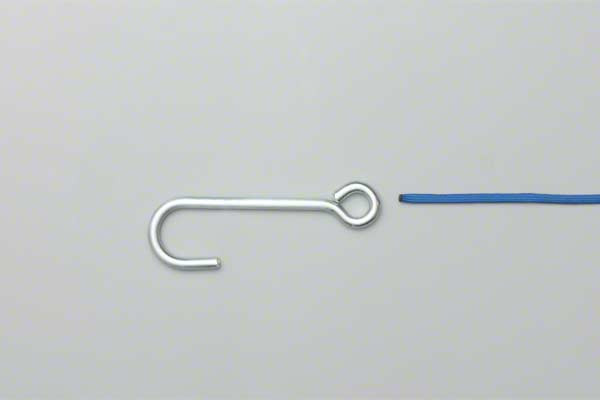
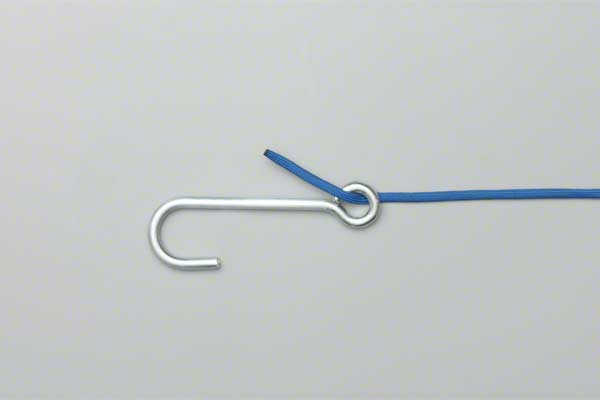
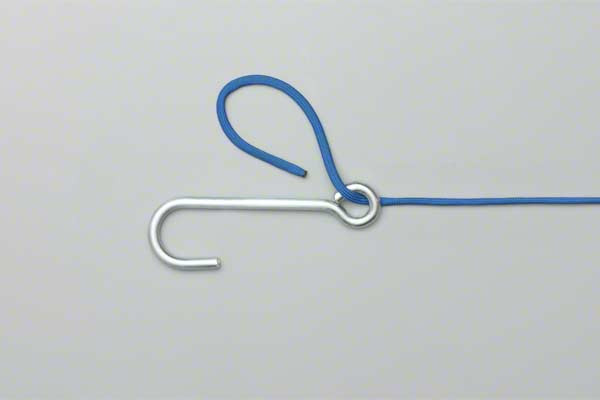
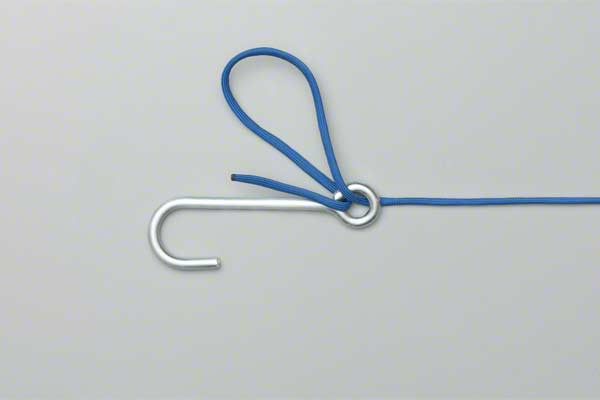
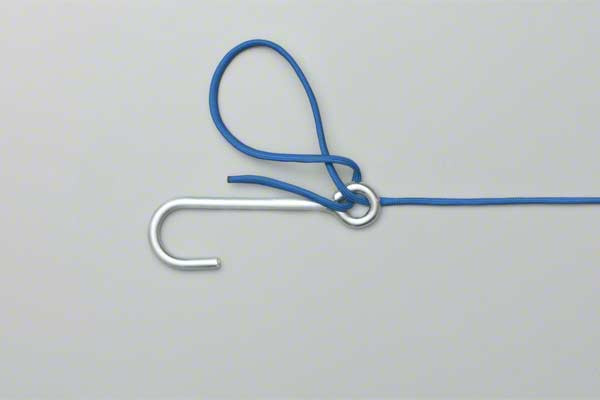
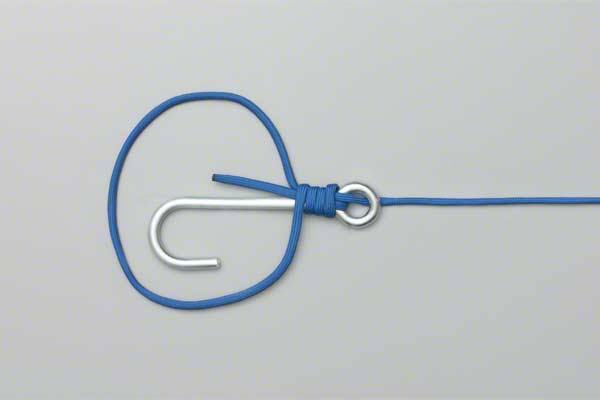
- Pass the end of the leader through the eye and then through again in the same direction.
- Grip the eye and both parts of the line.
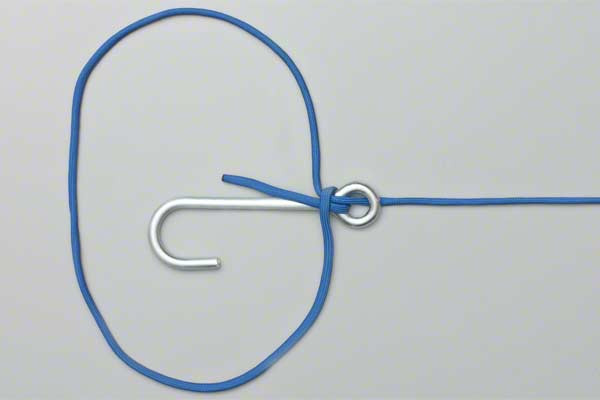
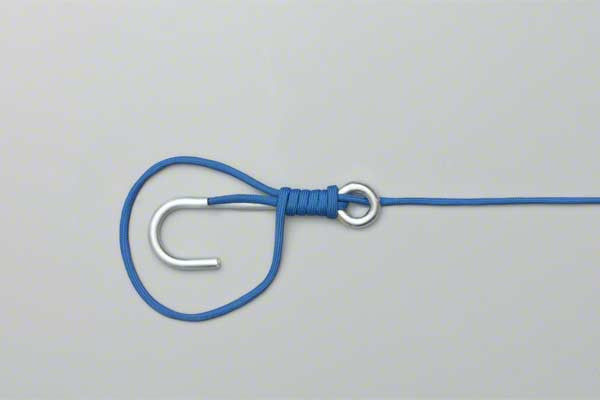
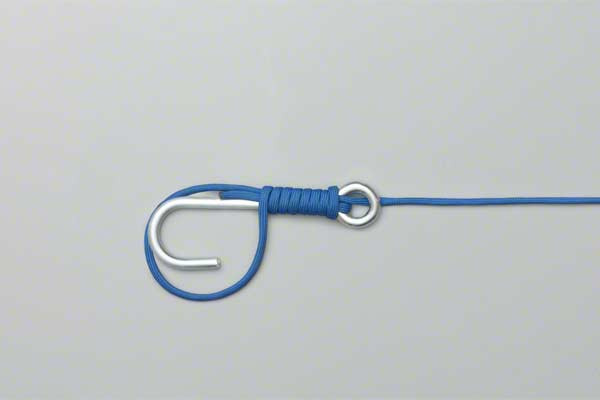
- Wrap the loop around the shank of the hook 7 or 8 times.
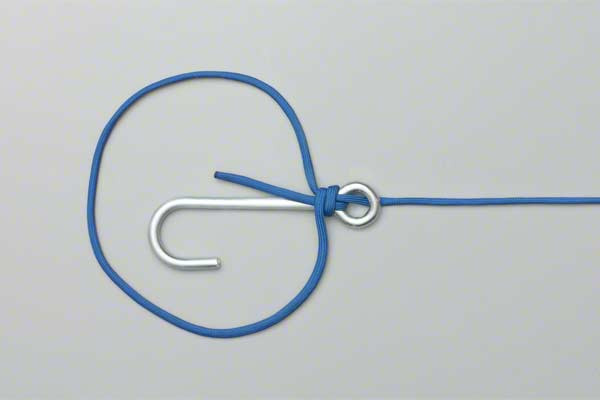
- Shrink the loop by pulling on the standing end.
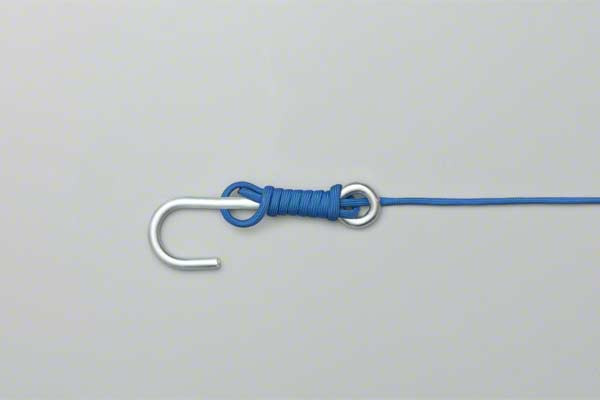
- Lubricate and pull both ends to tighten the knot and trim the end.
Common Mistakes to Avoid
Even experienced outdoorsmen can fail at tying rope knots if they overlook the details. Here are the most common errors when tying a Snell Knot:
- Failure to Lubricate: This is the number one cause of knot failure. As you pull the standing end to "shrink the loop," friction generates heat. This heat can weaken monofilament and fluorocarbon, leading to a snap at a much lower weight than the line’s rating. Always use water or saliva before the final cinch.
- Overlapping Wraps: When you wrap the loop around the shank, the coils should sit neatly side-by-side like a spring. If the wraps cross over each other, they will pinch and cut the line under high tension.
- Wrong Direction Through the Eye: Always ensure the line enters and exits the eye from the "front" (the side facing the hook point). If you go through the back, the leverage of the snell will actually pull the hook away from the fish’s mouth.
- Insufficient Wraps: For thinner or more slippery lines, 7 or 8 wraps are the minimum. If you use fewer, the knot may unravel or slip under a heavy load.
Related Knots and Splicing
Expanding your knowledge of rope knots and outdoor rope techniques involves understanding how different knots compare. Here are a few related connections:
- Palomar Knot: A versatile and incredibly strong knot used for attaching hooks or swivels, known for being nearly 100% line strength.
- Improved Clinch Knot: A classic "fisherman’s knot" that is easy to tie in low light, though it lacks the shank-alignment of a Snell.
- Uni Knot: A multi-purpose knot that can be used for terminal tackle or joining two lines; it is highly reliable across various line diameters.
- Blood Knot: An essential splicing knot used to join two sections of nylon monofilament of similar diameter, creating a smooth, strong bond.
- Dropper Loop: Used to create a loop that stands out from the main line, perfect for multi-hook rigs in deep-water applications.
Final Words
The Snell Knot is a masterclass in efficiency and strength. By mastering this specific entry in the catalog of outdoor rope techniques, you equip yourself with a connection that maximizes the mechanical potential of your gear. While it may seem more complex than a simple overhand knot, the reliability it provides is unmatched in high-stakes environments.
Remember that practice is the key to perfection. Use scrap line to practice your wraps and tensioning until the process becomes second nature. Whether you are prepping for a professional expedition or simply honing your survival skills, the Snell Knot is a vital addition to your tactical toolkit. Tight lines and safe adventures!
