
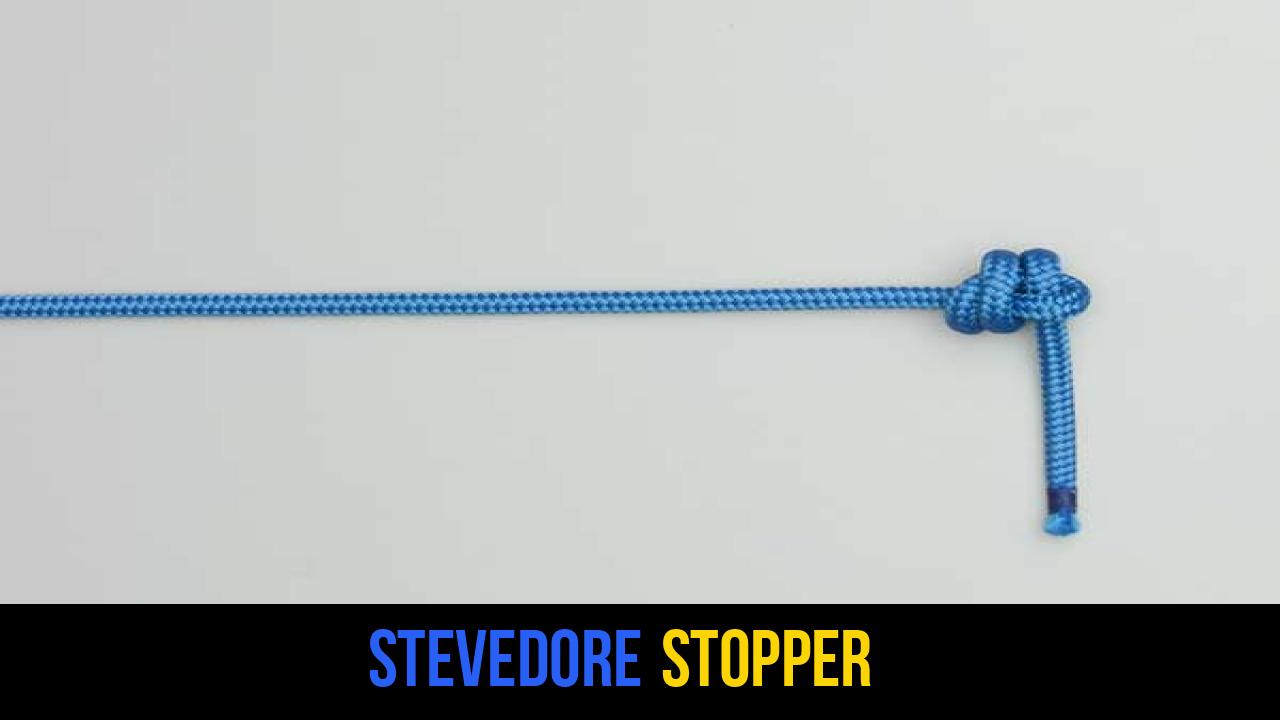
In the world of rope knots, few categories are as fundamentally important as the stopper knot. Whether you are a sailor, an arborist, or an outdoor enthusiast, having a reliable way to prevent a rope from unreeving through a block, eye, or pulley is a critical skill. Among these, the Stevedore Stopper knot stands out as a superior choice for both security and bulk.
The Stevedore Stopper is a bulky, secure knot that is essentially an evolution of the common Figure-Eight knot. By adding extra turns to the structure, it creates a larger profile that is less likely to pull through an opening under heavy tension. Known for its stability in both natural fiber and modern synthetic ropes, it has been a staple in maritime and industrial applications for generations. This article provides a comprehensive deep dive into this essential outdoor rope technique, ensuring you can tie it with confidence and understand its mechanical advantages.
Alternative Names: Stevedore Knot, Double Figure-Eight Stopper, Two-Turn Figure-Eight.
What Is a Stevedore Stopper?
The Stevedore Stopper knot is a terminal knot designed to increase the diameter of a rope at its end. Its primary function is to act as a "stop," preventing the rope from sliding through a hole, fairlead, or pulley block.
Why Use the Stevedore Over Other Knots?
While the Overhand Knot is the simplest stopper, it is notorious for jamming under load, making it nearly impossible to untie once it has been tightened. The Figure-Eight Knot is an improvement because it is easier to untie, but it can occasionally be too small for larger blocks, potentially slipping through and causing equipment failure.
The Stevedore Stopper solves these issues by:
- Increasing Bulk: The additional wraps make it significantly larger than a Figure-Eight.
- Resisting Jamming: Like the Figure-Eight, the Stevedore is designed to be relatively easy to untie even after bearing a significant load.
- Security in Synthetic Ropes: Modern ropes (like polypropylene or nylon) are often slippery. The extra turns in a Stevedore provide the necessary friction to keep the knot from "creeping" or coming undone.
Practical Applications
- Maritime Operations: Used on sailing vessels to prevent sheets and halyards from running out through their blocks.
- Arboriculture: Used by tree climbers as a safety stopper at the end of a climbing line.
- Industrial Rigging: Acting as a temporary handle or a stop in pulley systems.
- General Utility: Creating a grip at the end of a pull-cord for lawnmowers or heavy curtains.
Materials and Tools Needed
To master the Stevedore Stopper knot, you must understand how different materials interact with the knot’s structure. Not all ropes are created equal, and the performance of a knot can vary based on the cordage used.
Recommended Rope Types
- Nylon (Braided or Twisted): Excellent for practice. Nylon has a bit of "give," which helps the knot settle into place.
- Polyester (Dacron): Common in boating; the Stevedore performs exceptionally well here due to the material’s resistance to UV and water.
- Manila/Sisal: These natural fibers provide immense internal friction, making the Stevedore virtually unmovable once set.
- Paracord (550 Cord): Great for small-scale applications or learning the mechanics of the knot.
Tools and Considerations
- Rope Ends: Ensure the end of your rope is "whipped" or heat-sealed to prevent fraying while you are forming the turns.
- Gloves: When working with heavy-duty industrial ropes, gloves are recommended to protect against rope burn when tightening the standing end.
- Clear Workspace: Always practice on a flat surface or in a clear area to ensure you can see the "geometry" of the knot as it forms.
How to Tie Stevedore Stopper?
Following the proper sequence is vital to ensure the knot retains its structural integrity. Below are the exact steps required to form a secure Stevedore Stopper.
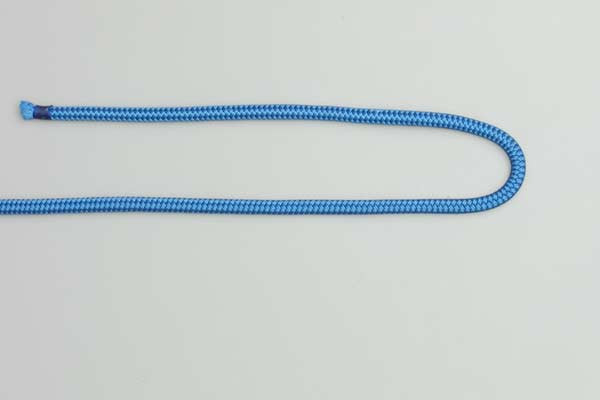
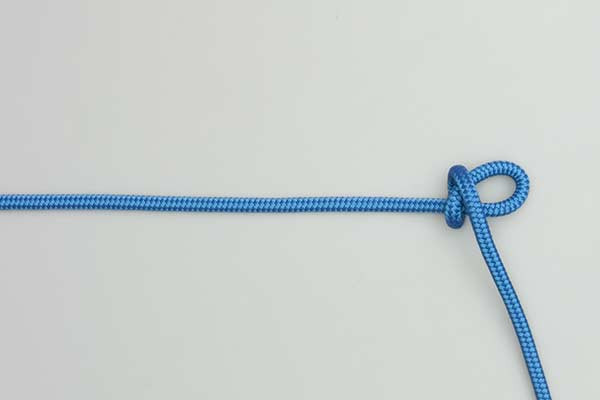
- Form a bight in the end of the rope.
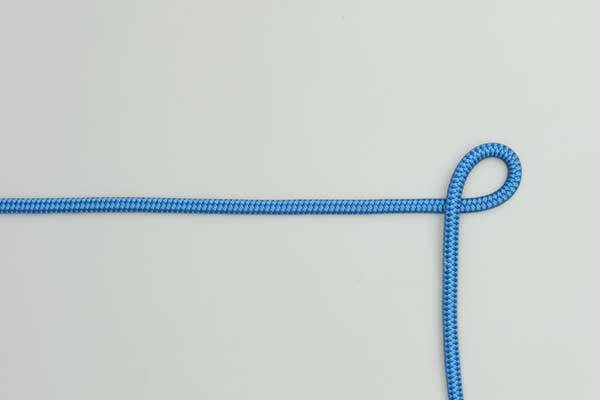
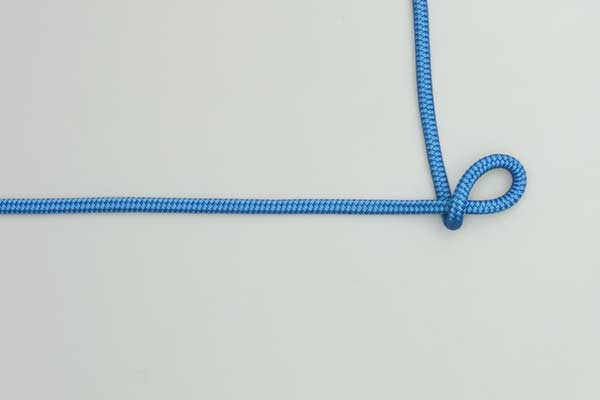
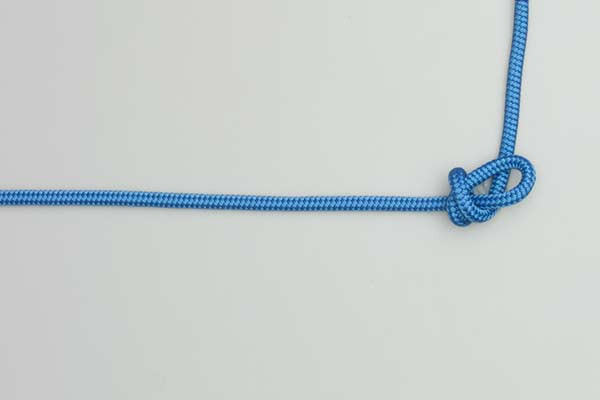
- Pass the tail end across the standing end and continue around to make two complete turns.
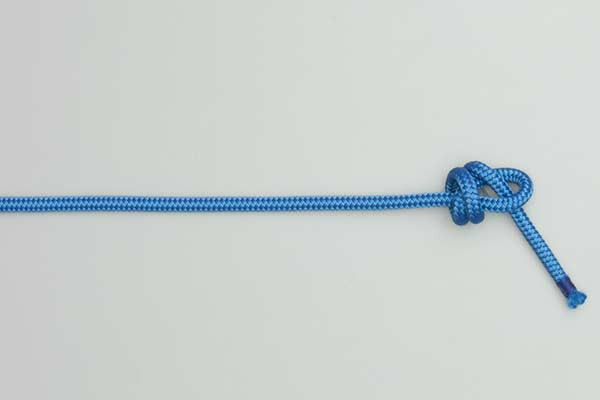
- Then pass the end down through the bight and tighten the turns.
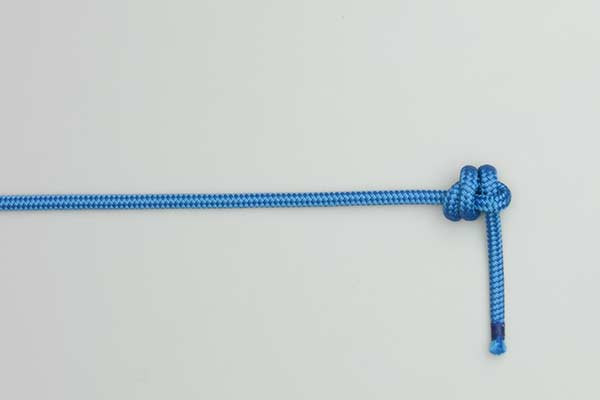
- Finally, pull on the standing end to grip the tail end.
Common Mistakes to Avoid
Even seasoned professionals can make errors when tying the Stevedore Stopper knot in a hurry. To ensure safety and reliability, watch out for these common pitfalls:
1. Insufficient Turns
The defining characteristic of the Stevedore is the "two complete turns." If you only wrap the tail end once, you have essentially tied a standard Figure-Eight knot. While useful, it lacks the bulk required for a true Stevedore application. Ensure you count the wraps before passing the tail through the bight.
2. Crossing the Wraps
When making the two complete turns, ensure they sit neatly side-by-side. If the wraps cross over each other haphazardly, the knot may become "capped," making it much harder to untie later or causing it to deform under a heavy load.
3. Failure to Dress the Knot
"Dressing" a knot refers to the process of tidying it up before applying a full load. After pulling the standing end, make sure the coils are snug and the tail is protruding sufficiently. A messy knot is an unpredictable knot.
4. Incorrect Tail Length
Always leave a "tail" (the bitter end) of at least 2-3 inches (depending on rope diameter). If the tail is too short, the knot could potentially "roll" and untie itself if the rope stretches or vibrates.
Related Knots and Splicing
Understanding how the Stevedore relates to other rope knots will enhance your overall proficiency in outdoor rope techniques.
- Figure-Eight Knot: The foundation of many stopper knots, simple and secure, but smaller than the Stevedore.
- Ashley’s Stopper Knot: A very bulky, stable knot that provides a larger profile than the Stevedore or Figure-Eight.
- Overhand Knot: The simplest stopper, but prone to jamming and difficult to untie after heavy loading.
- Monkey’s Fist: A decorative and functional heavy knot used at the end of a heaving line to add weight.
- Double Overhand Stopper: A knot often used as a backup for climbing harnesses; it is very secure but can be difficult to inspect visually.
Final Words
The Stevedore Stopper knot is a masterclass in functional simplicity. By taking the basic logic of the Figure-Eight and adding extra wraps, it creates a stopper that is both bulkier and more secure, especially in modern high-tech cordage. Whether you are securing a yacht in a gale or simply ensuring a pulley rope doesn’t slip through its housing in a home DIY project, the Stevedore is a reliable companion.
Mastering this knot is a rite of passage for anyone serious about rope knots. It demonstrates an understanding of friction, bulk, and knot geometry. Remember to practice with different rope diameters and materials to see how the "set" of the knot changes. With its high resistance to jamming and its unmistakable profile, the Stevedore Stopper remains one of the most practical and respected knots in the maritime and outdoor world.
Keep this guide handy, practice often, and ensure your rope work is always up to professional standards. Safety in the outdoors begins with the strength of your knots.
