
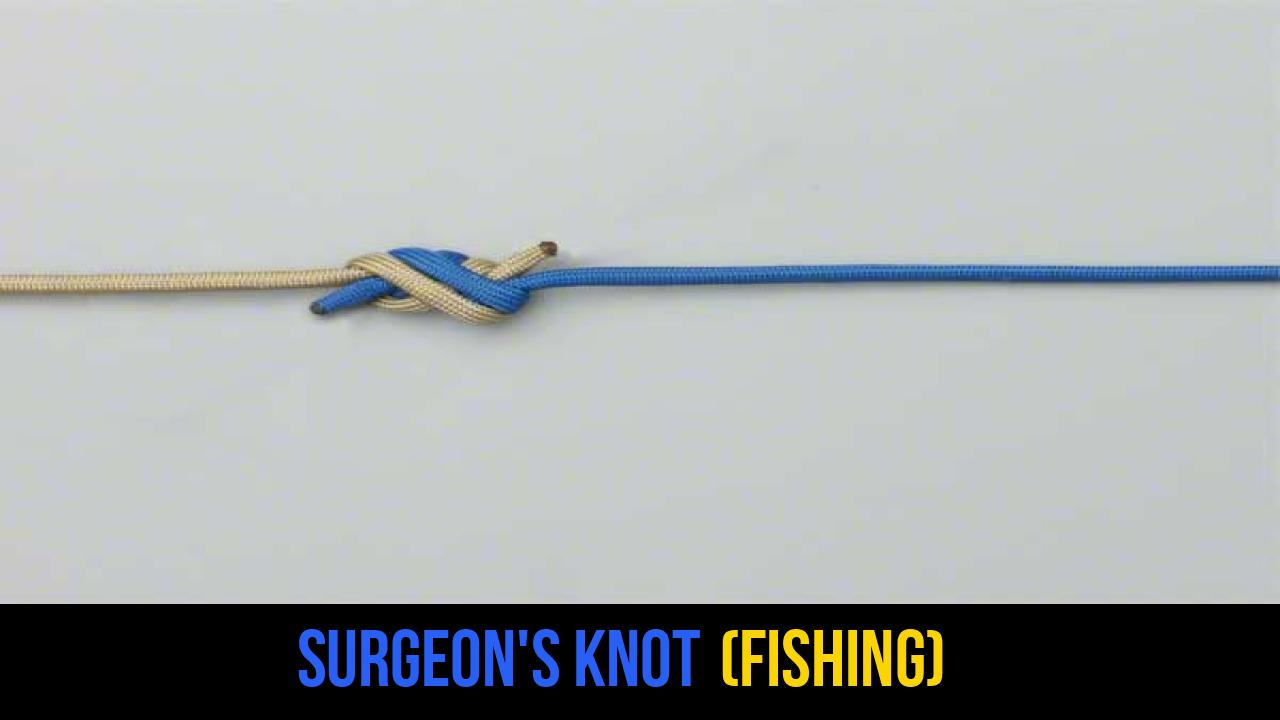
In the world of angling and technical outdoor skills, the strength of your connection is often the only thing standing between a record-breaking catch and a "the one that got away" story. Among the vast library of rope knots, few are as revered for their simplicity and reliability as the Surgeon’s Knot (Fishing). Whether you are a fly fisherman delicate-casting for trout or a saltwater angler battling heavy currents, understanding how to join two lines of different diameters or materials is a fundamental skill.
The Surgeon’s Knot is a staple in outdoor rope techniques because it addresses a common problem: friction and slippage. While many knots struggle to maintain integrity when joining slick fluorocarbon to traditional monofilament, the Surgeon’s Knot bites down securely, offering a high percentage of the line’s original breaking strength. It is essentially an evolution of the double overhand knot, modified to provide the extra security needed when dealing with the high-tension environment of modern fishing.
Alternative names: Double Surgeon’s Knot, Surgeon’s Join, Water Knot (when used in climbing or general utility).
What Is a Surgeon’s Knot (Fishing)?
The Surgeon’s Knot (Fishing) is a bend—a type of knot used to join two separate lines together. Specifically, it is most commonly used to attach a leader to a tippet or to join two pieces of monofilament or fluorocarbon of varying thicknesses.
Its name is derived from its surgical origins, where surgeons required a knot that would stay tied in slippery, organic environments while under tension. In a fishing context, this translates to a knot that performs exceptionally well when wet. Unlike the Blood Knot, which is aesthetically pleasing but notoriously difficult to tie in cold or windy conditions, the Surgeon’s Knot can be executed quickly, even with gloved or cold fingers.
Practical Uses:
- Fly Fishing: Attaching a new section of tippet to a tapered leader.
- General Angling: Joining a fluorocarbon "stealth" leader to a main monofilament line.
- Repairs: Quickly mending a broken line while on the water without needing complex tools.
- Outdoor Utility: In survival situations, it can be used to join two lengths of cordage to create a longer rope.
Materials and Tools Needed
To tie a perfect Surgeon’s Knot (Fishing), you don’t need an extensive toolkit, but having the right materials and a few basic accessories will ensure the knot’s longevity and strength.
- Leader Material: Usually a thicker monofilament or fluorocarbon line.
- Tippet Material: The thinner line that will eventually be attached to the fly or lure.
- Line Nippers or Scissors: Precision cutting is vital. High-quality stainless steel nippers are preferred for trimming the tag ends close to the knot.
- Lubricant: This is a "tool" often overlooked. Water or saliva is essential to prevent heat damage during the tightening process.
- Polarized Glasses: While not directly used for the knot, seeing your line clearly in outdoor conditions is a hallmark of expert outdoor rope techniques.
Material Considerations:
- Fluorocarbon: This material is harder and more abrasion-resistant but can be "slick." The Surgeon’s Knot is excellent here because the double pass-through creates enough internal friction to prevent the knot from unraveling.
- Monofilament: This has more "stretch" and "memory." The Surgeon’s Knot works perfectly with mono, but you must be careful not to over-tighten it too quickly, which can cause the line to curl.
How to Tie Surgeon’s Knot (Fishing)?
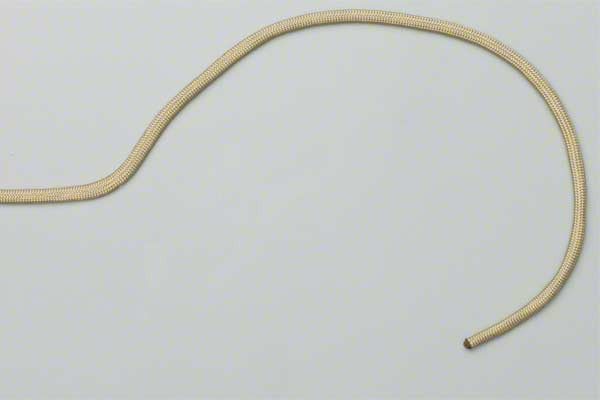
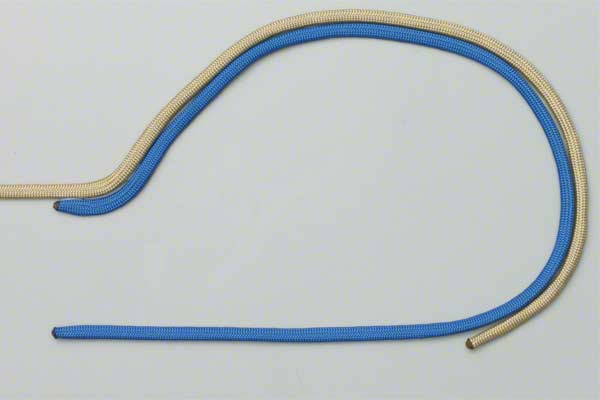
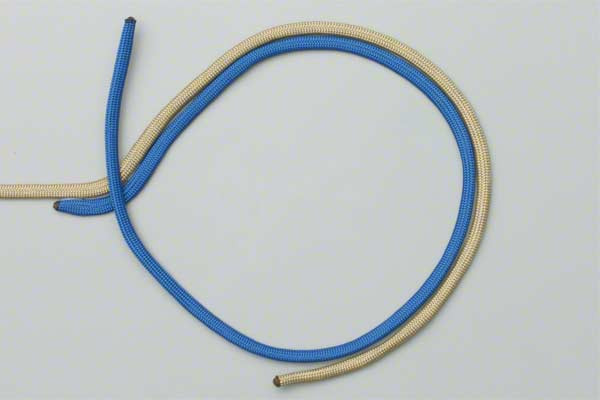
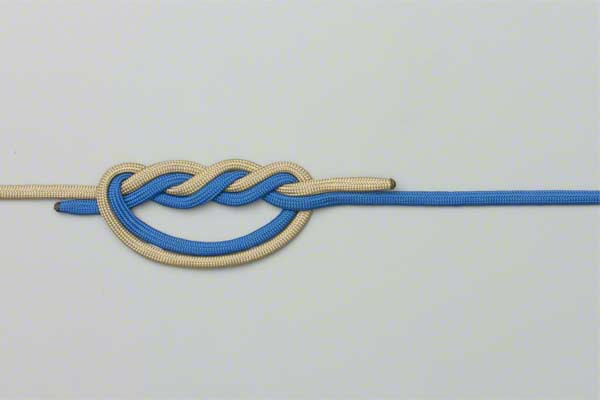
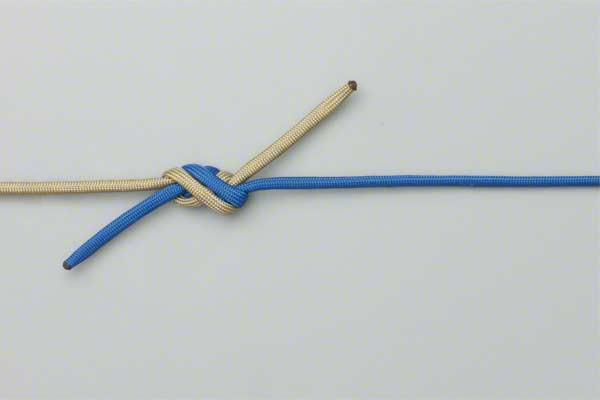
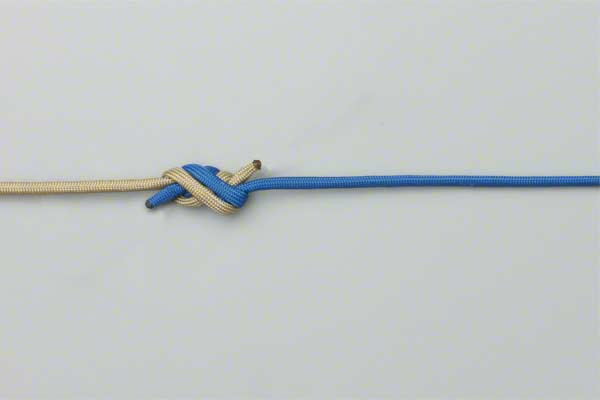
Precision is key when executing this knot. Follow these steps exactly as outlined to ensure a secure and professional finish.
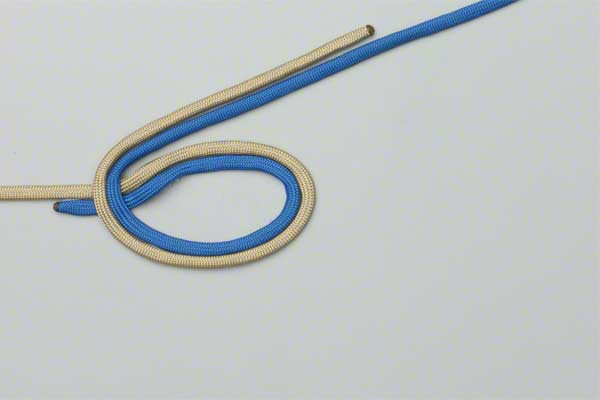
- Place the leader and the tippet side by side.
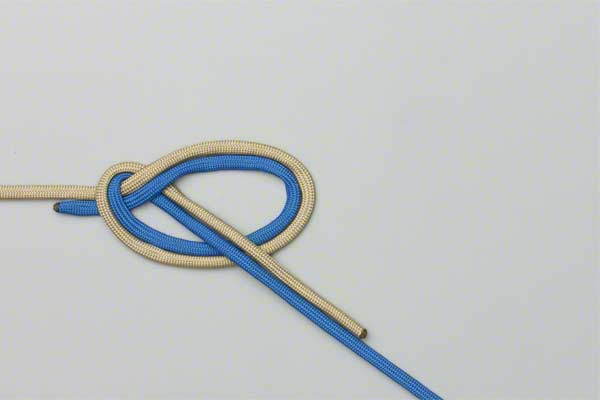
- Use both lines to form a loop with enough overlap to tie a double overhand knot.
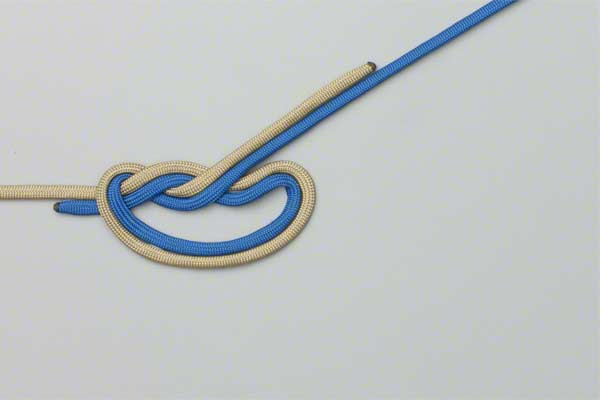
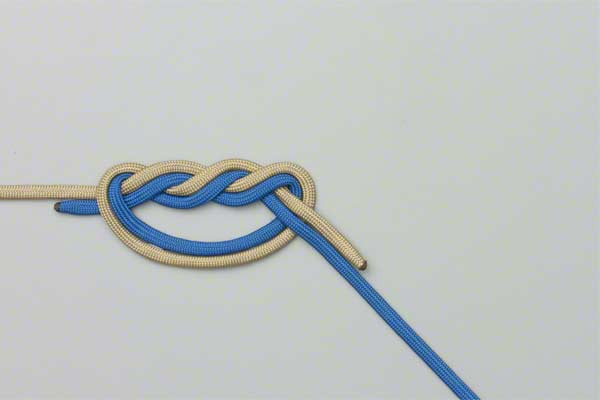
- Pull both ends through the loop and then through a second time.
- Lubricate the knot and pull it tight.
- Trim the ends.
Common Mistakes to Avoid
Even seasoned professionals can make errors when tying rope knots under pressure. To ensure your Surgeon’s Knot (Fishing) remains at 100% efficiency, avoid these common pitfalls:
1. Neglecting Lubrication
This is the most common cause of knot failure. When you pull the lines to tighten the knot, the friction creates heat. In synthetic lines like fluorocarbon, this heat can actually melt or weaken the structure of the plastic. Always use water or saliva to lubricate the knot before the final seat.
2. Uneven Tension
When pulling the knot tight, you must pull all four ends (the two standing lines and the two tag ends) simultaneously and with even pressure. If you only pull the standing lines, the knot may not seat correctly, leading to a "pigtail" or a coiled line that is prone to snapping.
3. Insufficient Overlap
If you do not leave enough overlap in step 2, you will struggle to pull the ends through the loop a second time. This often leads to "short-changing" the knot, where the user only passes the line through once (creating a simple overhand knot), which is significantly weaker and prone to slipping.
4. Crossing the Lines
Ensure the lines stay parallel within the loop. If the lines cross over each other in a messy fashion before tightening, the knot becomes bulky and creates unnecessary stress points.
Related Knots and Splicing
Expanding your knowledge of outdoor rope techniques involves understanding how different knots relate to one another. Here are a few related connections:
- Blood Knot: A classic bend for joining two lines of similar diameter. It is slimmer than the Surgeon’s Knot but much harder to tie in the field.
- Double Overhand Knot: The foundational component of the Surgeon’s Knot. It is used primarily as a stopper knot or a base for more complex ties.
- Albright Knot: An essential knot for joining lines of vastly different diameters, such as a heavy shock leader to a thin braided main line.
- Orvis Knot: A high-strength terminal knot used to attach a fly or hook to the tippet, known for its small profile and reliability.
- Palomar Knot: Frequently cited as one of the strongest knots for attaching a line to a hook or swivel, especially when using braided lines.
The Physics of the Surgeon’s Knot
Why does the Surgeon’s Knot (Fishing) work so well? It comes down to the surface area and the "choke" of the knot. By passing the lines through the loop a second time (as specified in step 3), you increase the surface area of the line-on-line contact.
When tension is applied, the wraps compress against each other. This compression creates a mechanical lock. In technical outdoor rope techniques, we refer to this as the "efficiency" of the knot. The Surgeon’s Knot typically retains about 90-95% of the line’s rated breaking strength. For example, if you are using a 10lb test line, a well-tied Surgeon’s Knot will hold until approximately 9 to 9.5lbs of pressure is applied.
Expert Tips for Field Success
As an expert in outdoor gear, I recommend practicing this knot at home with high-visibility paracord before attempting it with thin fishing line. The mechanics are the same, but the larger scale allows you to see how the lines "seat" against each other.
- The "Triple" Variation: While the standard is a "double" (passing through twice), some anglers pass the lines through a third time when using extremely thin tippet (7X or 8X). However, for most applications, the double pass provided in the instructions is the gold standard.
- Night Fishing: Because the Surgeon’s Knot relies on feel rather than complex weaving, it is the best knot to use when fishing in low-light conditions.
- Check Your Work: After trimming the ends (step 5), give the knot a firm tug. If it’s going to fail, you want it to fail in your hands, not when a fish is on the line.
Final Words
The Surgeon’s Knot (Fishing) is an indispensable tool in the arsenal of any serious outdoorsman. Its balance of simplicity, speed, and sheer strength makes it a go-to choice for joining lines under any conditions. By mastering this and other rope knots, you enhance your self-reliance and technical proficiency in the wild.
Remember: the key to a perfect knot is practice and attention to detail. Follow the steps, always lubricate your line, and you’ll find that your gear performs better and lasts longer. Whether you are navigating the complexities of fly fishing or just need a reliable way to join two ropes, the Surgeon’s Knot is a technique that will never let you down.
Summary of Key Points:
- Versatility: Works with different diameters and materials.
- Strength: Maintains high line integrity.
- Simplicity: Can be tied quickly in harsh weather.
- Essential Step: Never skip lubrication to prevent friction burn.
