
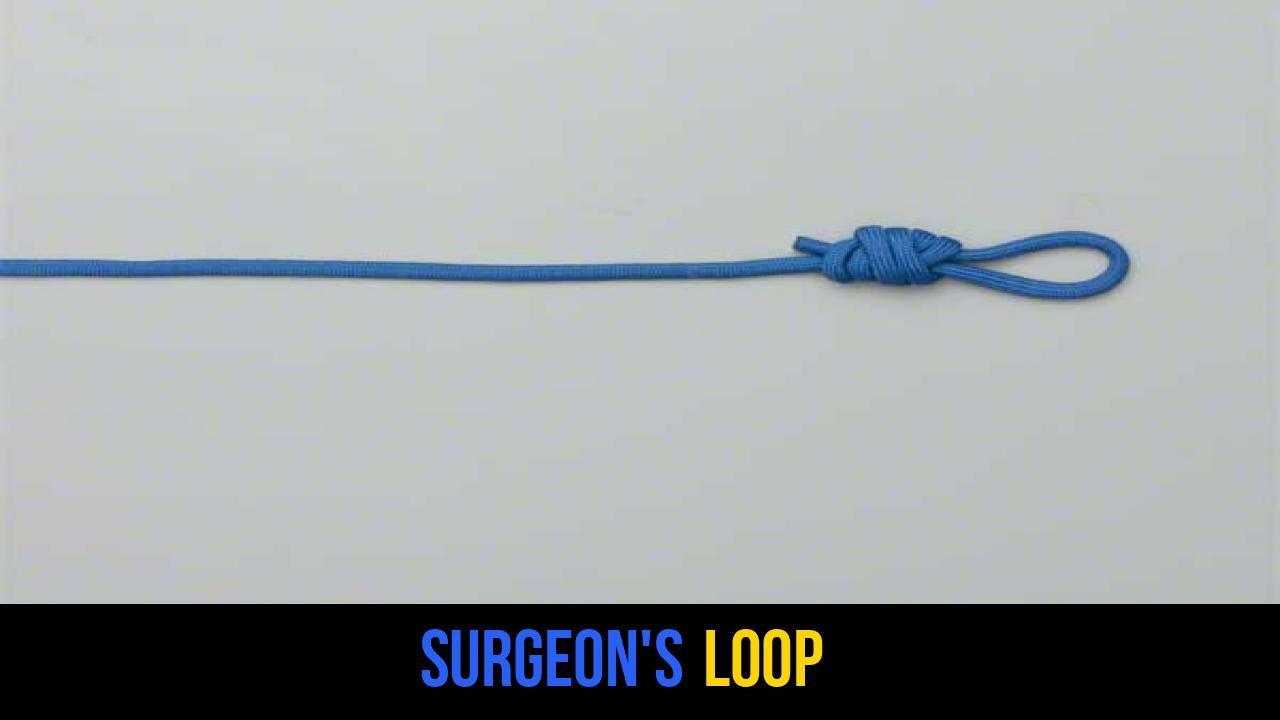
In the world of outdoor rope techniques, few knots are as essential yet simple as the Surgeon’s Loop. Whether you are an angler looking to secure terminal tackle or an outdoor enthusiast needing a fixed loop at the end of a utility cord, this knot provides a level of security that standard loops often lack. The Surgeon’s Loop is essentially a variation of the double overhand knot, designed specifically to create a fixed loop that will not slip under pressure.
Its popularity stems from its high knot strength and the fact that it remains stable even in synthetic materials like monofilament and fluorocarbon, which are notoriously slippery. While its name suggests a medical origin—and indeed, it shares the same "double-wrap" logic as the knots used in surgery—its most common home today is in the tackle boxes of fishermen and the kits of wilderness survivalists.
Alternative Names: Double Overhand Loop, Surgeon’s Knot Loop, Double Loop Knot.
What Is a Surgeon’s Loop?
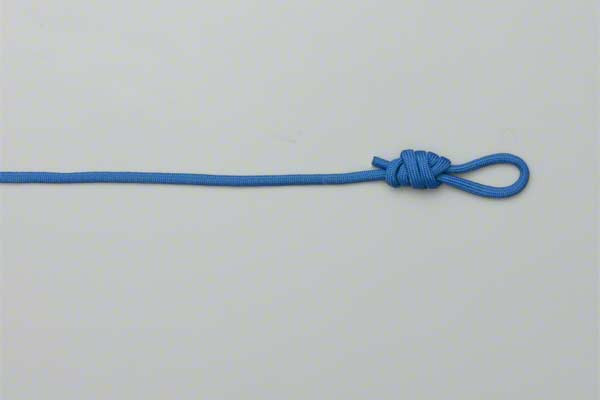
The Surgeon’s Loop is a fixed loop knot tied at the end of a line. Unlike a sliding loop (like a noose), a fixed loop maintains its diameter regardless of the load applied to the standing part of the rope. This makes it an ideal choice for rope knots intended to hold hooks, lures, or even to create attachment points for carabiners in light-duty applications.
Practical Uses in the Field
- Fishing: This is the primary application. It is used to create a loop at the end of a leader or tippet, allowing for a "loop-to-loop" connection with a fly line or a swivel. Because the loop allows for natural movement, it is often used with lures to improve their action in the water.
- Camping and Survival: In a campsite setting, a Surgeon’s Loop can be used to create a fixed attachment point on a ridgeline for a tarp or to secure a lanyard to a piece of gear.
- Rigging: While not meant for heavy-duty climbing or life-safety applications, it is excellent for light rigging where a quick, secure loop is needed in cordage like paracord.
The knot is prized because it is exceptionally easy to tie, even with cold, wet hands, and it maintains a high percentage of the line’s original breaking strength.
Materials and Tools Needed
To master the Surgeon’s Loop, you should practice with various types of cordage. The behavior of the knot changes slightly depending on the material used.
- Monofilament or Fluorocarbon Line: These are the standard materials for anglers. The Surgeon’s Loop performs exceptionally well here because the double pass creates enough friction to prevent the knot from "burning" itself or slipping.
- Paracord (550 Cord): For general outdoor use, paracord is an excellent medium. It allows you to see the structure of the knot clearly.
- Utility Rope: Any small-diameter braided or twisted rope can be used for practicing outdoor rope techniques.
- Cutting Tool: A sharp pair of scissors, a line nipper, or a pocket knife is required to trim the tag end for a clean finish.
- Lubricant: In fishing applications, water or saliva is used to lubricate the line before the final tightening to prevent heat damage caused by friction.
How to Tie a Surgeon’s Loop?
Follow these steps precisely to ensure a secure and reliable Surgeon’s Loop knot.
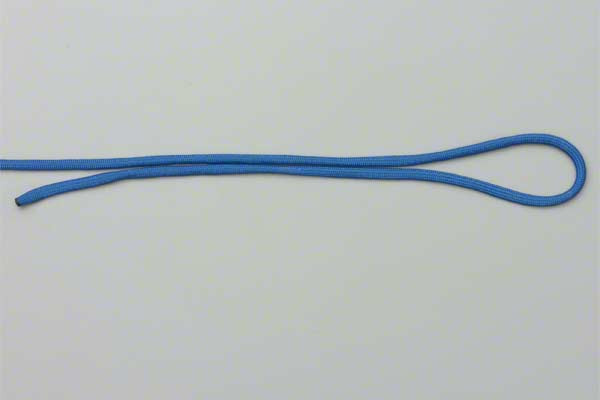
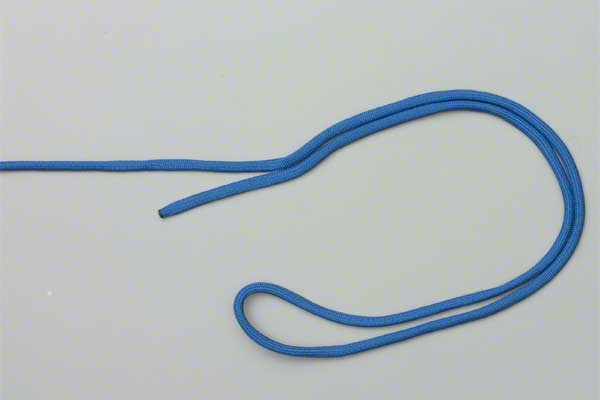
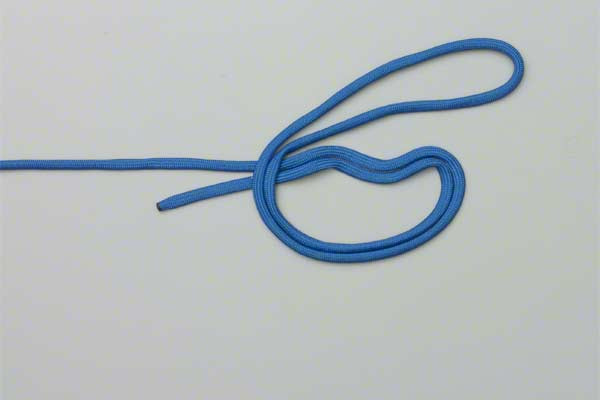
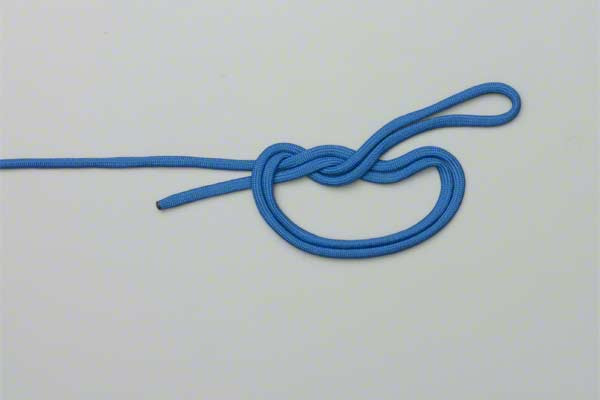
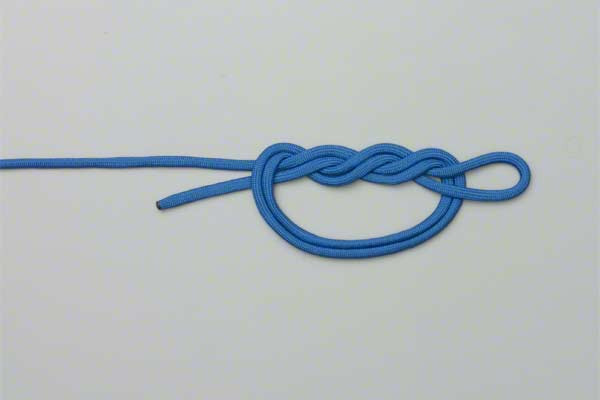
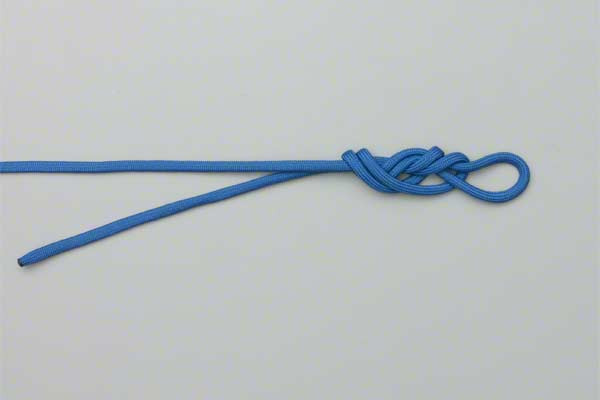
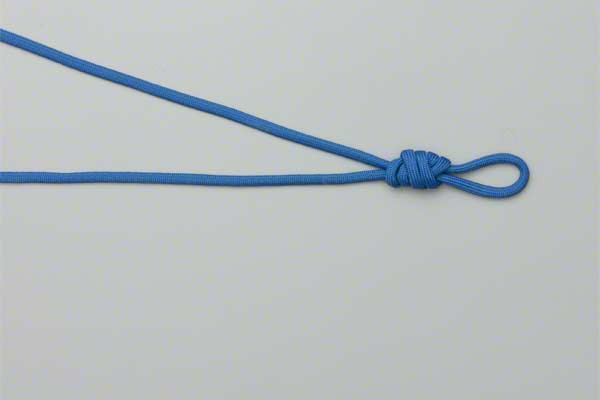
- Form a bight in the end of the line and tie an overhand knot.
- Pass the bight through a second time.
- Adjust the bight to create the desired loop size.
- Lubricate and pull the knot tight.
- Trim the end.
Common Mistakes to Avoid
Even though the Surgeon’s Loop is straightforward, a few common errors can compromise its integrity.
- Failure to Lubricate: This is the most common mistake when using fishing lines. As you pull the knot tight, the layers of line rub against each other. This friction creates heat, which can weaken synthetic materials. Always use water or saliva to keep the line cool during the seating process.
- Incorrect Seating: Ensure that the two wraps of the knot sit neatly side-by-side. If they cross over each other awkwardly, the knot may not reach its full strength.
- Short Tag Ends: While the instructions say to trim the end, leaving the tag end too short can be dangerous. If the knot settles or "creeps" under an extreme load, a tiny bit of extra tag end provides a safety margin.
- Using for Critical Loads: Remember that the Surgeon’s Loop is a utility knot. It should not be used for overhead lifting, rock climbing, or any life-safety application. For those, knots like the Figure-Eight on a Bight are required.
Technical Analysis: Why the Double Pass Matters
In a standard Overhand Loop (a single pass), the line relies on a very small surface area to create friction. Under heavy tension, the "choke" point of a single overhand knot can actually cut through the line itself.
By passing the bight through a second time, you distribute the pressure over a larger surface area. This "double-wrap" ensures that the knot grips itself more tightly and reduces the "stress concentration" at any single point. This is why the Surgeon’s Loop is significantly stronger than a standard overhand loop and is preferred for rope knots used in high-tension scenarios like landing a large fish.
Related Knots and Splicing
Understanding how the Surgeon’s Loop relates to other knots will help you choose the right tool for the job.
Perfection Loop
The Perfection Loop is a more streamlined fixed loop often used in fly fishing. It is perfectly inline with the standing part of the rope, making it more aerodynamic and less likely to snag weeds than the slightly bulkier Surgeon’s Loop. However, it is more complex to tie.
Surgeon’s Knot (The Bend)
While the loop version creates a fixed eye, the standard Surgeon’s Knot is a "bend" used to join two separate pieces of line together. It uses the same double-wrap principle and is the go-to choice for joining lines of different diameters, such as a thick leader to a thin tippet.
Figure-Eight Loop
Commonly used in climbing and arboriculture, the Figure-Eight Loop is much bulkier than the Surgeon’s Loop but is incredibly strong and easy to inspect visually. It is also much easier to untie after it has been subjected to a heavy load.
Dropper Loop
The Dropper Loop creates a loop that stands out at a right angle from the middle of a line rather than at the end. It is frequently used in multi-hook fishing rigs. While it shares some visual similarities in the twisting process, its application is entirely different from the terminal Surgeon’s Loop.
Advantages and Disadvantages
Advantages
- Speed: It can be tied in seconds, even in adverse weather conditions.
- Security: It is one of the most slip-resistant loops for monofilament.
- Simplicity: It is very easy to remember, making it a staple for beginners learning outdoor rope techniques.
- Strength: It retains a high percentage of the line’s rated breaking strength.
Disadvantages
- Bulk: The double-wrap makes the knot slightly larger than a Perfection Loop or a simple Overhand.
- Difficult to Untie: Once tightened and loaded, the Surgeon’s Loop is generally considered a permanent knot. You will likely have to cut the line to remove it.
- Not Inline: The loop can sometimes sit at a slight angle to the standing line, though this is rarely an issue in practical fishing or utility scenarios.
Final Words
The Surgeon’s Loop is a fundamental skill for anyone interested in fishing, camping, or general rope knots. Its balance of simplicity and extreme reliability makes it a "must-know" technique. By mastering the double-pass method, you ensure that your loops remain secure under pressure, protecting your gear and ensuring your success in the outdoors.
Whether you are rigging a lure for a trophy trout or setting up a lightweight gear hang at your campsite, the Surgeon’s Loop provides the confidence that only a time-tested knot can offer. Practice it until it becomes muscle memory, and you will find yourself reaching for this versatile loop time and time again.
