
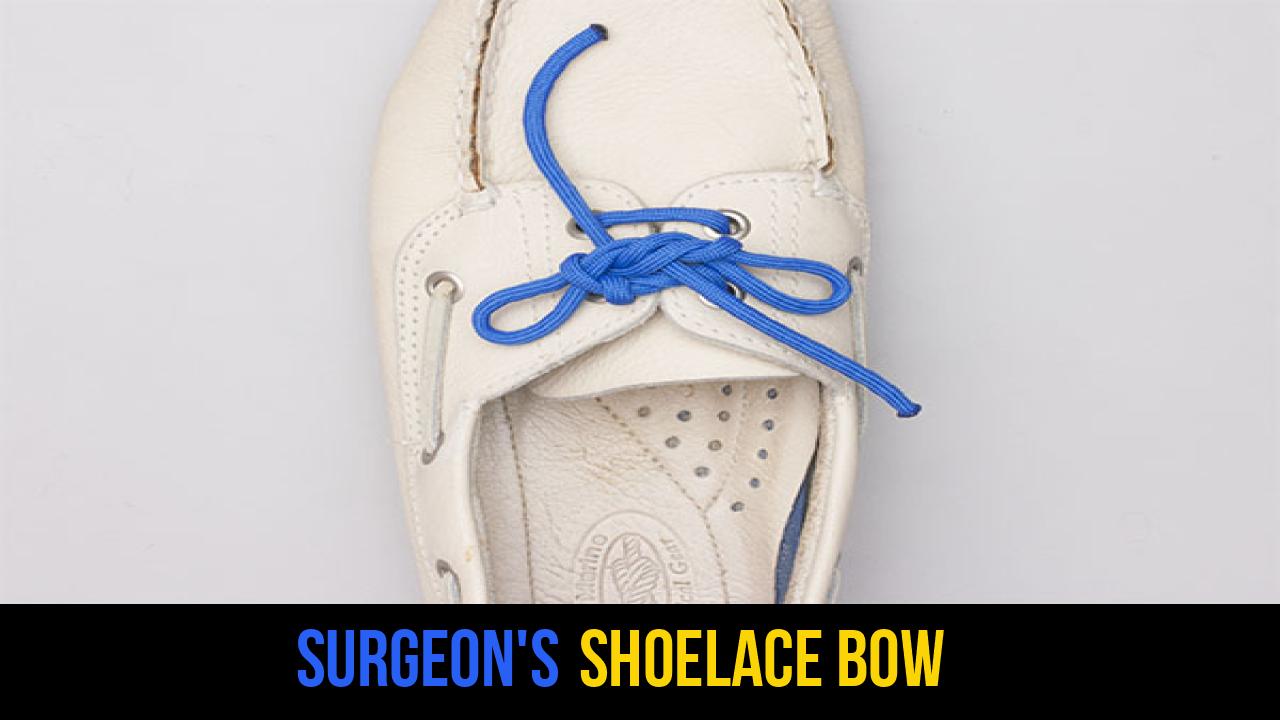
In the world of outdoor exploration, the reliability of your gear often hinges on the simplest of details. Among these, the security of your footwear is paramount. Whether you are trekking through dense undergrowth, sprinting on a technical trail, or securing a heavy pack, a knot that fails can lead to more than just a minor inconvenience—it can lead to injury. This is where the Surgeon’s Shoelace Bow becomes an indispensable tool in your repertoire of rope knots.
The Surgeon’s Shoelace Bow is a specialized variation of the standard shoelace bow, designed specifically to provide extra friction and security. It draws its name and mechanical inspiration from the traditional Surgeon’s Knot, a binding knot used in various fields where a non-slip hold is critical. By adding extra turns during the tying process, this knot ensures that even the slickest synthetic laces remain firmly in place, regardless of the terrain or the duration of your activity.
Throughout this guide, we will explore the mechanics, applications, and precise methodology for tying this high-performance knot. By mastering this outdoor rope technique, you will gain the confidence that your laces will stay exactly where you put them.
Alternative Names: Double Surgeon’s Shoelace Knot, The Secure Bow, The Sherpa Knot, The Extra-Security Shoelace Knot.
What Is a Surgeon’s Shoelace Bow?
The Surgeon’s Shoelace Bow is an advanced binding knot used primarily for securing footwear and small bundles. At its core, it is a "slipped" version of the Surgeon’s Knot. While a standard shoelace knot is essentially a slipped Square Knot (or Reef Knot), the Surgeon’s version adds an extra wrap at two critical stages of the tying process.
The Mechanics of Friction
The primary advantage of the Surgeon’s Shoelace Bow is its increased friction. In a standard knot, the laces cross once. Under tension or rhythmic movement (like walking), the laces can "saw" against each other, eventually loosening the knot. The Surgeon’s Shoelace Bow introduces a second wrap in the initial stage and a second wrap in the final bow stage. This doubling of the contact surface area creates significantly more "bite," preventing the cordage from sliding.
Practical Uses
While most commonly used for hiking boots and running shoes, its applications extend into various outdoor rope techniques:
- Technical Hiking: Prevents laces from snagging and coming undone on rocky terrain.
- Athletic Performance: Ensures even tension across the bridge of the foot during marathons or sprints.
- Cold Weather Gear: Essential when using thick, round, or waxed laces that are prone to slipping in freezing temperatures.
- General Utility: Can be used to tie down light gear or bundles where a quick-release (slipped) feature is desired alongside high security.
Materials and Tools Needed
To practice and master the Surgeon’s Shoelace Bow, you do not need complex equipment, but the type of cordage you choose can impact the knot’s performance.
Recommended Cordage
- Synthetic Round Laces: Often found on hiking boots, these are the most common culprits for coming undone. The Surgeon’s Shoelace Bow is the perfect solution for these.
- Flat Cotton Laces: These have high natural friction, but when wet, they can stretch. This knot helps maintain tension.
- Paracord (550 Cord): If you are practicing for general outdoor utility, paracord is an excellent medium. Note that because paracord is nylon-based and slippery, the extra wraps of the Surgeon’s version are highly beneficial.
- Leather Thongs: Used in traditional footwear; leather can be stiff, and the double wrap helps "set" the knot.
Tools
- Your Footwear: It is always best to practice on the shoes you intend to wear, as the tension feels different than tying in the air.
- Lace Anchors (Optional): While not required, some professionals use lace anchors to keep the bottom tension consistent while they focus on the top knot.
How to Tie Surgeon’s Shoelace Bow?
To achieve the maximum security offered by this knot, follow these steps precisely. The integrity of the Surgeon’s Shoelace Bow depends on the double-wrap technique at both the base and the finish.
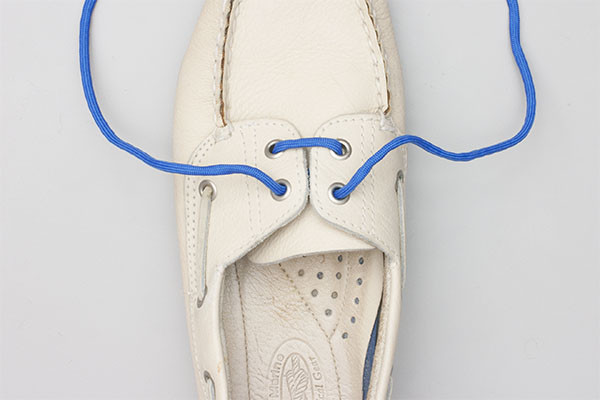
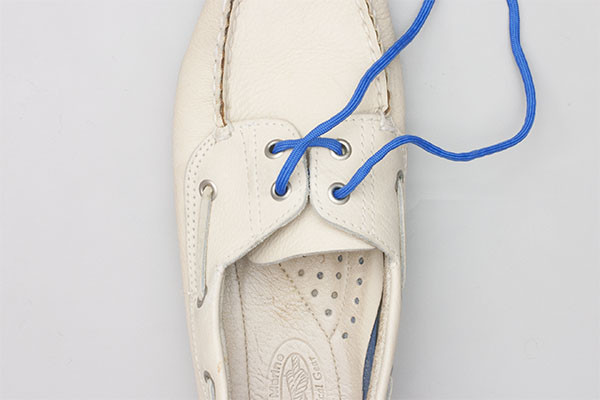
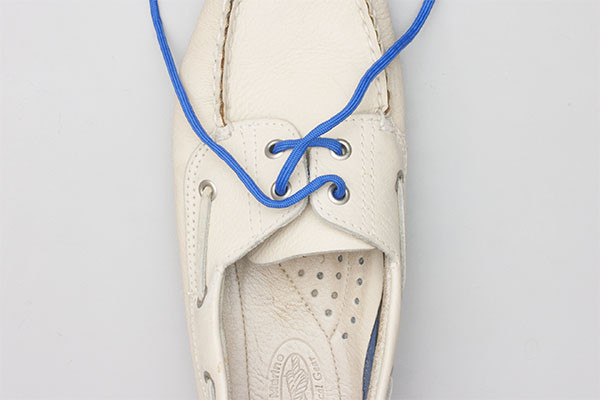
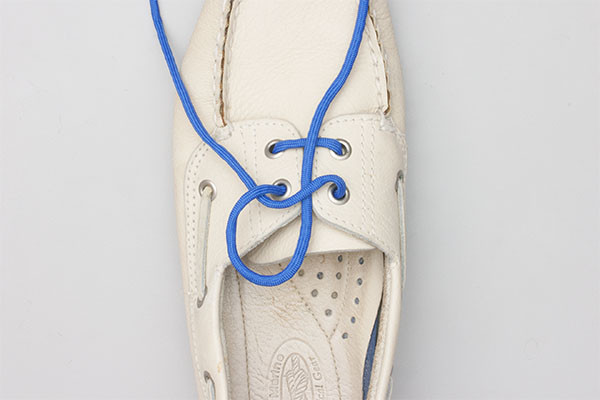
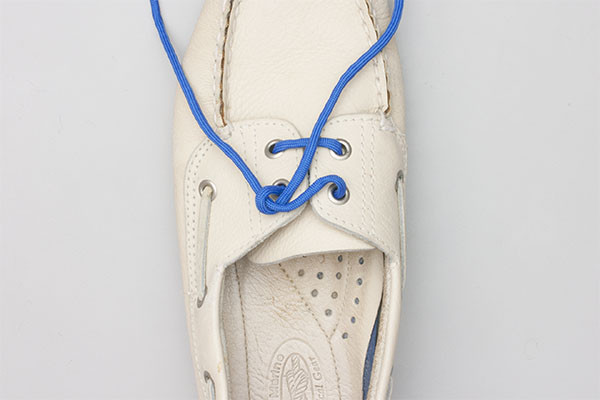
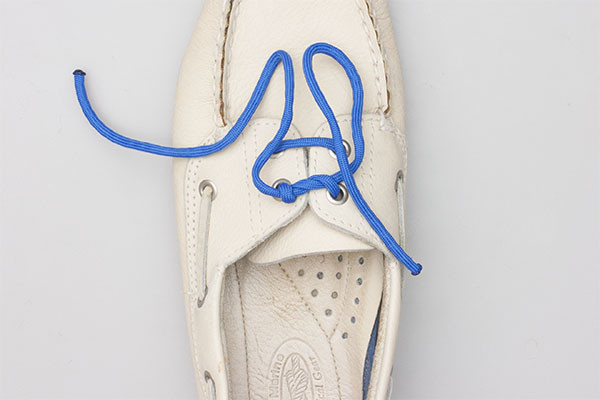
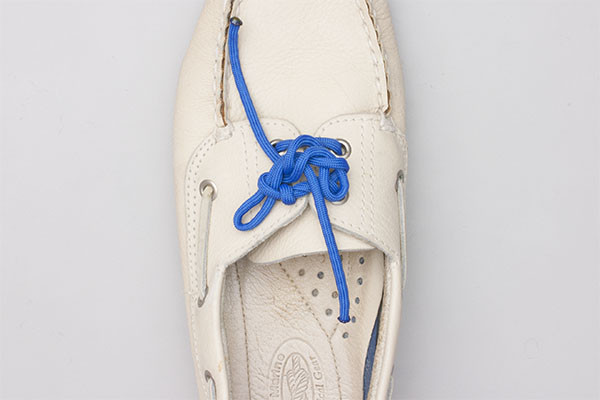
- Wrap one end round the other, and again, to tie a Surgeon’s Knot.
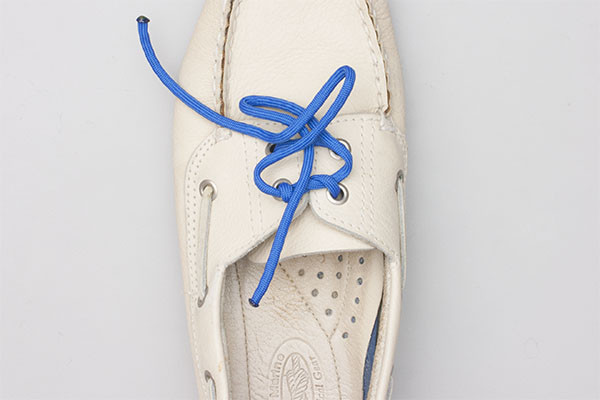
- Pull tight and make loops.
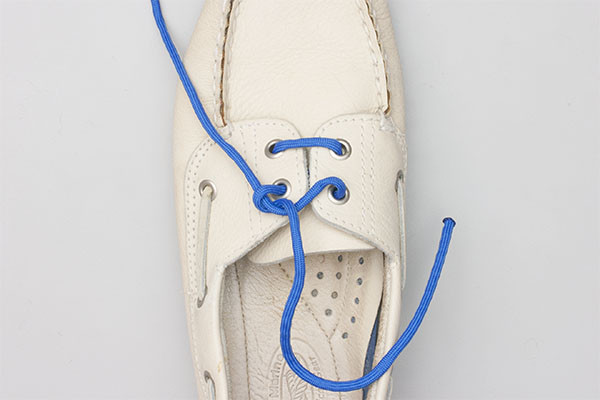
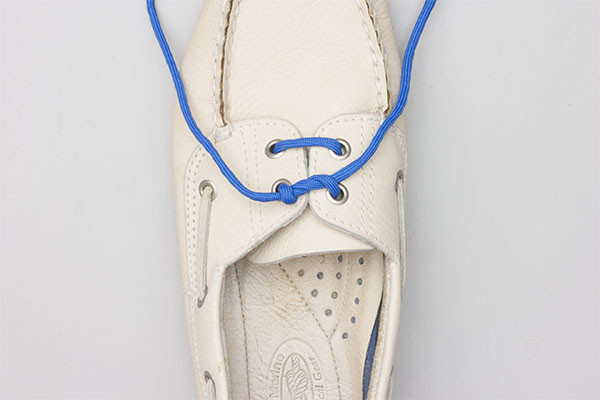
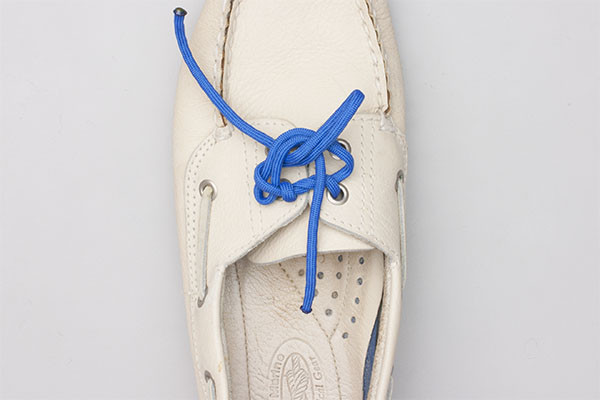
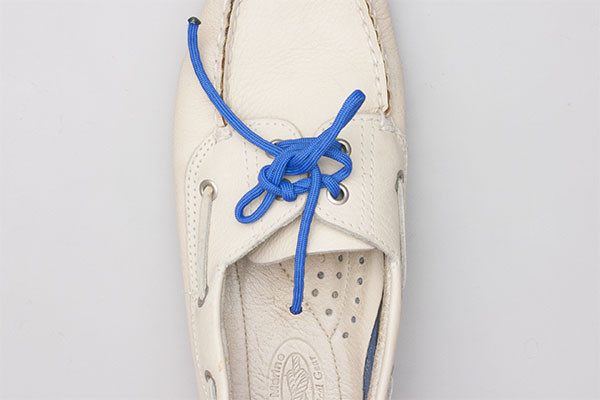
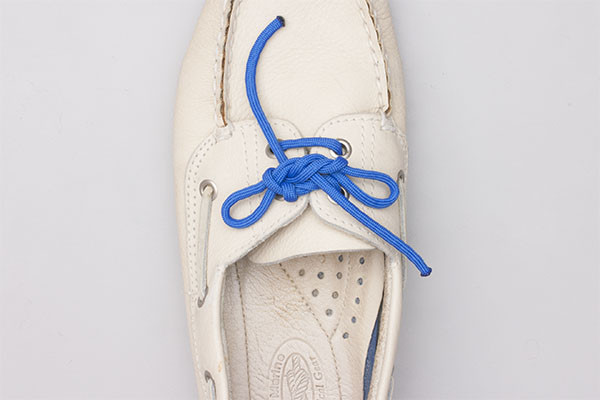
- Reversing direction, pass one loop around the other, and again, to form the Surgeon’s bow.
- Tighten and make the loops and ends all roughly equal.
Common Mistakes to Avoid
Even seasoned outdoorsmen can make errors when transitioning from a standard bow to a Surgeon’s Shoelace Bow. Here are the most common pitfalls:
1. Failing to "Reverse Direction"
The instruction to reverse direction is vital. If you do not reverse the direction of the final loops relative to the base knot, you risk creating a "Granny Knot" version of the bow. A Granny Knot is unbalanced and will sit vertically on the shoe, making it much more likely to come undone. A correctly tied bow should sit horizontally across the tongue of the boot.
2. Insufficient Tension on the First Stage
The first step—the double wrap at the base—is what holds the tension on your foot while you are forming the loops. If you do not pull tight after the first step, the boot will feel loose even if the final bow is secure.
3. Uneven Loops and Ends
If the loops are significantly larger than the ends, or vice versa, the knot becomes susceptible to snagging on trail debris like brambles or sticks. Aim for symmetry to ensure the knot remains low-profile.
4. Over-Tightening
While security is the goal, over-tightening the Surgeon’s Shoelace Bow can lead to "lace bite," where the pressure restricts blood flow to the top of the foot. The double wrap provides security through friction, so you don’t need to pull with excessive force to keep it from slipping.
Related Knots and Splicing
Understanding how the Surgeon’s Shoelace Bow fits into the wider world of rope knots can help you choose the right tool for the job.
- Square Knot (Reef Knot): A foundational binding knot used to join two ropes of equal diameter; simple but can slip under high tension.
- Double Overhand Knot: A secure stopper knot that adds bulk to a line, preventing it from slipping through a hole or pulley.
- Ian’s Secure Knot: A symmetrical shoelace knot that creates a very firm hold by pulling two loops through a central hole simultaneously.
- Taut-Line Hitch: An adjustable loop knot for use on lines under tension, ideal for securing tent guy-lines in the wind.
- Figure-Eight Follow-Through: The gold standard for climbing, used to tie a rope directly into a harness with maximum safety.
Final Words
The Surgeon’s Shoelace Bow is more than just a way to tie your shoes; it is a fundamental outdoor rope technique that prioritizes safety and efficiency. By incorporating the double wrap of the Surgeon’s Knot into a standard bow format, you create a fastening system that resists the vibrations and impacts of heavy movement.
Whether you are a professional athlete, a technical hiker, or someone who simply values the reliability of their gear, mastering this knot is a small investment of time that pays dividends in comfort and security. Practice the steps until they become second nature, and you will never find yourself stopping mid-trail to fix a loose lace again. Secure your foundation, and the rest of your journey will follow suit.
