
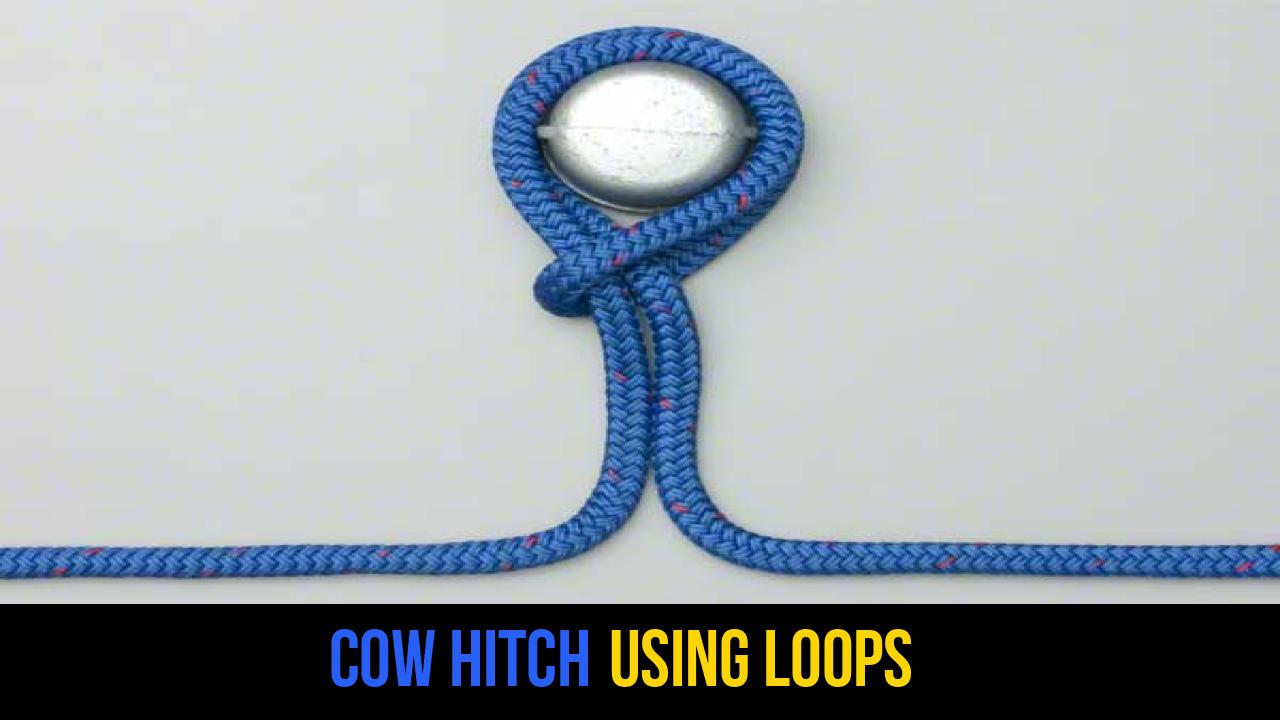
In the world of rope knots and outdoor rope techniques, few hitches are as universally recognized and utilized as the Cow Hitch. Whether you are a seasoned sailor, a dedicated arborist, or a weekend camping enthusiast, understanding how to secure a line to a fixed object is a fundamental skill. Among the various methods of securing a rope, the Cow Hitch Using Loops stands out for its speed, simplicity, and efficiency.
Often referred to as the "Lark’s Head" in decorative crafts like macramé or the "Girth Hitch" in tactical and climbing scenarios, this knot provides a balanced attachment point that is easy to inspect and even easier to untie after it has been under load. The "loop method" specifically is a favorite among those who need to deploy a hitch quickly over the end of a post or a piling without having to thread the entire length of the rope through a ring.
This article provides a deep dive into the mechanics of the Cow Hitch Using Loops, its practical applications in the field, and a definitive guide on how to tie it correctly every time.
Alternative Names: Lark’s Head, Girth Hitch, Ring Hitch, Strap Hitch, Tag Knot, Bale Sling Hitch.
What Is a Cow Hitch Using Loops?
The Cow Hitch Using Loops is a hitch knot used to attach a rope to an object, such as a post, a ring, or another rope. Technically, it consists of two half-hitches tied in opposite directions. When tied using the loop method, it is exceptionally fast because it utilizes the "bight" (the middle portion) of the rope rather than the working end.
Practical Uses and Applications
The versatility of this knot makes it a staple in various industries:
- General Utility: Securing animals to a hitching post (hence the name "Cow Hitch").
- Outdoor Rigging: Attaching a lanyard to a whistle, a compass, or a GPS unit.
- Logistics: Creating a "Bale Sling" to hoist heavy bags or barrels.
- Arboriculture: Attaching a climbing line or a tool to a carabiner.
- Crafts: The foundation knot for most macramé projects.
- Sailing: Temporary fastening of light lines to a rail or shroud.
While the Cow Hitch is reliable for many tasks, it is important to note that it is not a "life-safety" knot on its own. It can slip if one side of the rope is loaded while the other remains slack, especially on very smooth or vertical surfaces. However, for most outdoor rope techniques, it remains a go-to solution for quick fastening.
Materials and Tools Needed
Before you begin practicing the Cow Hitch Using Loops, it is essential to have the right equipment. The performance of any knot depends heavily on the quality and type of rope used.
Rope Selection
- Nylon Rope: Excellent for its elasticity and strength. It is commonly used in marine environments but can be slippery, requiring extra care when seating the Cow Hitch.
- Polyester (Dacron): A preferred choice for outdoor rigging because it resists UV degradation and does not stretch as much as nylon.
- Paracord (550 Cord): Ideal for lightweight utility tasks and practicing knots due to its flexibility.
- Natural Fibers (Manila/Hemp): These provide excellent grip (friction) for the Cow Hitch, though they are prone to rot if not dried properly.
Tools and Considerations
- The Post/Anchor: To tie the loop version of this hitch, you need an object with an open end (like a fence post, a bollard, or a carabiner).
- Gloves: When working with heavy loads or rough natural fibers, protective gloves prevent rope burn.
- Heat Source: If using synthetic rope, ensure the ends are properly cauterized to prevent fraying.
How to Tie Cow Hitch Using Loops?
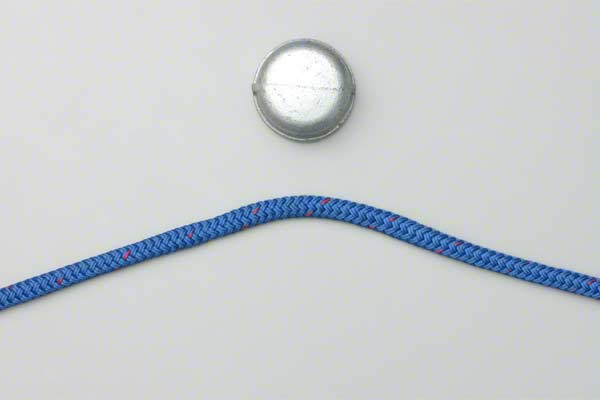
To ensure the security of your connection, follow these instructions precisely. The loop method is the most efficient way to form this hitch when you have access to the top of a post.
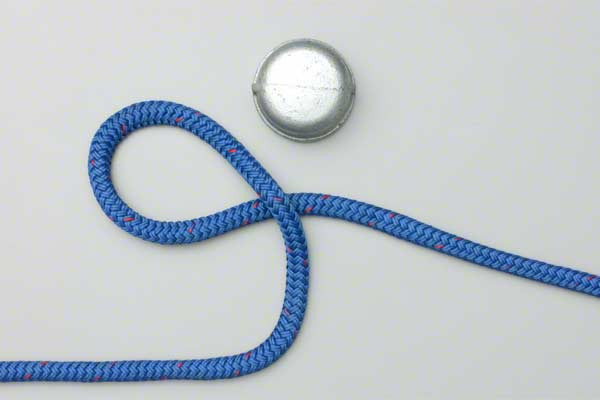
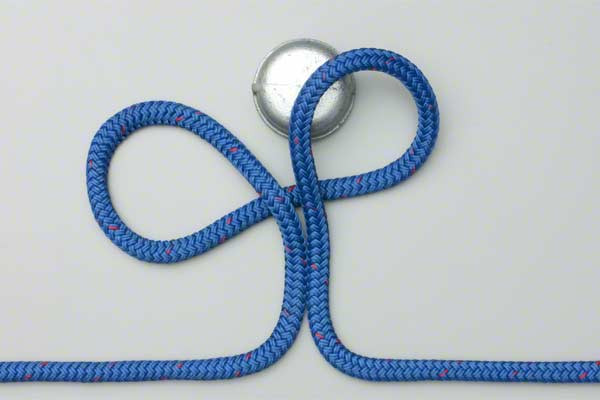
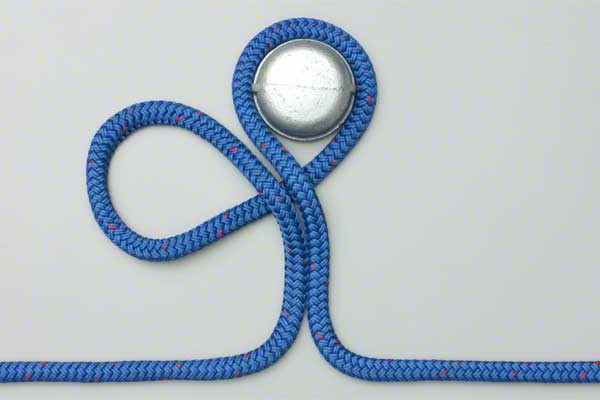
- Form one loop in the rope.
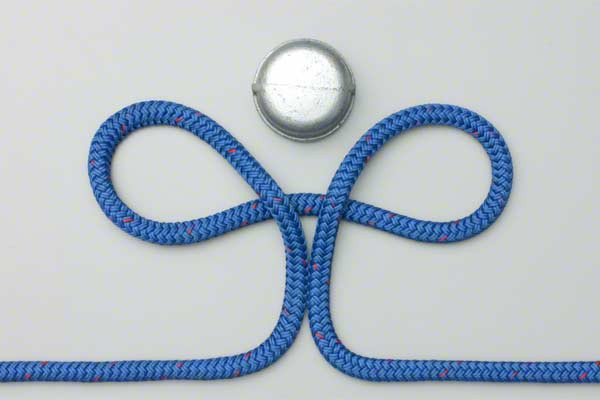
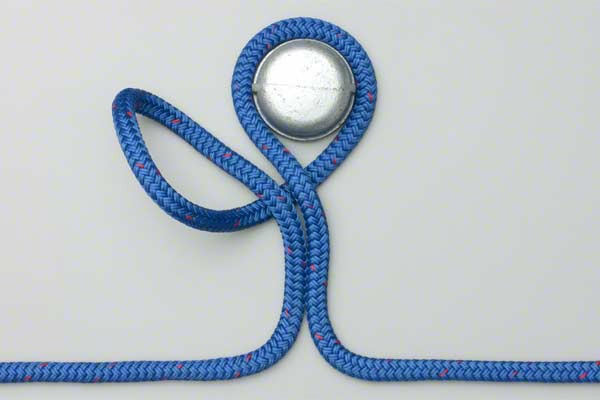
- Then, form another loop – a mirror image of the first.
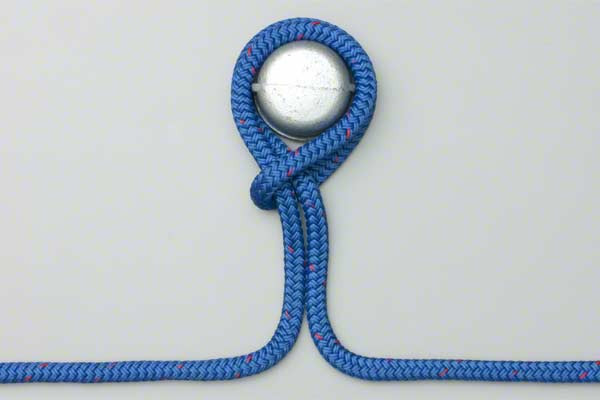
- Place a loop on the post and then fold the other loop on top to complete the knot.
Pro Tip: Ensure that the two "ears" or loops are folded toward each other so that the standing parts of the rope exit the center of the knot, trapped by the outer bight. This creates the symmetrical "square" look characteristic of a well-tied Cow Hitch.
Common Mistakes to Avoid
Even a simple knot like the Cow Hitch Using Loops can be tied incorrectly, leading to failure under tension. Here are the most common errors to watch out for:
1. Creating a Clove Hitch Instead
The most frequent mistake is failing to make the second loop a mirror image of the first. If you rotate both loops in the same direction, you will accidentally create a Clove Hitch. While the Clove Hitch is also useful, it behaves differently and can "roll" or slip more easily than a Cow Hitch under certain conditions.
2. Uneven Loading
The Cow Hitch is most stable when both ends of the rope are pulled with equal tension. If you only pull one tail, the knot may distort or "capsize," potentially sliding off the post if the surface is smooth.
3. Using Slippery Synthetic Ropes
In modern outdoor rope techniques, high-tech fibers like Dyneema or Spectra are common. These materials have very low friction. A Cow Hitch tied in these materials may slip under heavy loads. Always consider adding a "backup" (like an extra half-hitch) if you are using high-lubricity cordage.
4. Not Dressing the Knot
"Dressing" a knot means straightening the strands so they lie flat and parallel. If the loops are twisted or overlapping awkwardly, the friction will not be distributed evenly, reducing the knot’s efficiency.
Related Knots and Splicing
Expanding your knowledge of rope knots involves understanding how different hitches relate to one another. Here are a few knots closely related to the Cow Hitch:
The Clove Hitch
The Clove Hitch is often confused with the Cow Hitch. While the Cow Hitch consists of two opposite half-hitches, the Clove Hitch consists of two identical half-hitches. It is excellent for temporary bindings but is notorious for slipping under heavy, fluctuating loads. It is a fundamental knot in pioneering and lashing.
The Bowline
Known as the "King of Knots," the Bowline creates a fixed loop at the end of a rope. Unlike the Cow Hitch, which hitches around an object, the Bowline is a loop knot that will not slip or bind under load. It is an essential companion for any outdoor enthusiast who needs a secure, non-sliding loop.
The Timber Hitch
If you are dragging a heavy log or post, the Timber Hitch is superior to the Cow Hitch. It utilizes a series of turns to create high friction against a rough surface. It is easy to tie and untie, even after being subjected to the massive weight of a fallen tree.
The Constrictor Knot
For a permanent or semi-permanent version of a hitch, the Constrictor Knot is the ultimate choice. It is similar to a Clove Hitch but includes an extra twist that locks the knot in place. Once tightened, it often has to be cut off, making it much more secure than the Cow Hitch.
Final Words
The Cow Hitch Using Loops is a masterpiece of functional simplicity. Its ability to be deployed in seconds makes it an invaluable tool for anyone working with cordage. By mastering the "mirror image" loop technique, you ensure a symmetrical, secure, and professional-looking hitch that stands up to the rigors of general utility and outdoor tasks.
Whether you are organizing gear in your garage, setting up a clothesline at a campsite, or securing a lanyard to your favorite tool, the Cow Hitch is a reliable partner. Remember to always match the rope material to the task at hand and practice until the "mirror image" loops become second nature. With these outdoor rope techniques in your repertoire, you are well-equipped for any adventure.
Summary of Key Benefits:
- Speed: The fastest way to attach a bight to a post.
- Simplicity: Only three steps to complete.
- Stability: More stable than a clove hitch when pulled at right angles to the post.
- Versatility: Works across various rope types and applications.
Practice your rope knots regularly, and stay safe in the great outdoors!
