
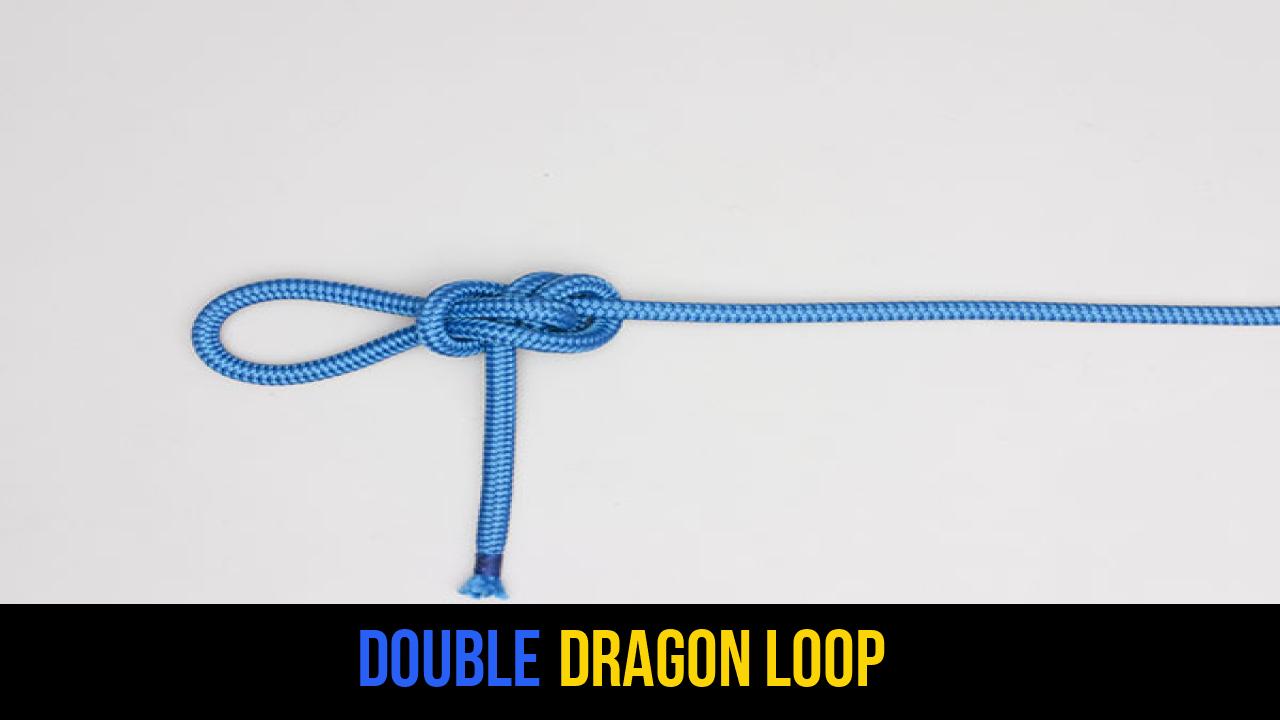
In the world of outdoor rope techniques, few things are as vital as the ability to create a secure, fixed loop. Whether you are an arborist, a sailor, or a dedicated camping enthusiast, your safety and efficiency often depend on the integrity of your knots. Among the elite tier of loop knots stands the Double Dragon Loop.
The Double Dragon Loop is prized for its incredible security, its ability to withstand significant loads without slipping, and, perhaps most importantly, its ease of untying even after it has been subjected to extreme tension. While the Bowline often takes the spotlight in basic training, the Double Dragon Loop knot is frequently the preferred choice for professionals who require a loop that will not "capsize" or fail under heavy, cyclical loading.
In this comprehensive guide, we will explore the nuances of this knot, from its technical advantages to the specific steps required to tie it perfectly every time.
Alternative Names: The Dragon Loop, The Double Dragon, The Secure End Loop.
What Is a Double Dragon Loop?
The Double Dragon Loop is a fixed loop knot typically tied at the end of a rope. It is characterized by its robust structure, which involves multiple wraps that provide internal friction, preventing the knot from slipping or jamming.
Practical Uses and Applications
This knot is exceptionally versatile and is utilized across several high-stakes industries:
- Arboriculture: Tree climbers use it for anchoring lines because it remains stable even when the rope is subjected to the erratic movements of falling limbs.
- Rescue Operations: Its high breaking strength retention makes it a reliable choice for hauling systems.
- General Utility: In camping or overlanding, it serves as a perfect terminal loop for tie-downs and guy lines.
- Sailing: While the Bowline is traditional, the Double Dragon Loop is often used on synthetic high-modulus lines where other knots might slip.
One of the standout features of this knot is its "non-jamming" nature. Unlike the Figure-Eight Loop, which can become nearly impossible to undo after being loaded with several hundred pounds, the Double Dragon Loop maintains its internal geometry, allowing you to "break" the knot and untie it with ease.
Materials and Tools Needed
To master rope knots, you must first understand the medium you are working with. The Double Dragon Loop performs differently depending on the material and construction of the cordage.
Recommended Rope Types
- Static Kernmantle Rope: Ideal for rescue and hauling. The Double Dragon sits firmly on the sheath of static ropes.
- Double Braid Polyester: Common in marine environments; this knot handles the slickness of polyester better than most.
- Nylon Accessory Cord: For smaller utility tasks, 5mm to 8mm nylon cord is perfect for practicing the knot.
Considerations for Knot Tying
- Rope Diameter: This knot is most effective on ropes ranging from 8mm to 13mm. In very thin cords (under 4mm), the wraps can become difficult to dress properly.
- Condition of the Rope: Ensure your rope is free of "hams" (internal core damage) or excessive fraying, as the Double Dragon Loop relies on the friction between the wraps to stay secure.
- Safety Gear: If you are practicing for climbing or life-safety applications, always use UIAA or CE-rated cordage.
How to Tie Double Dragon Loop?
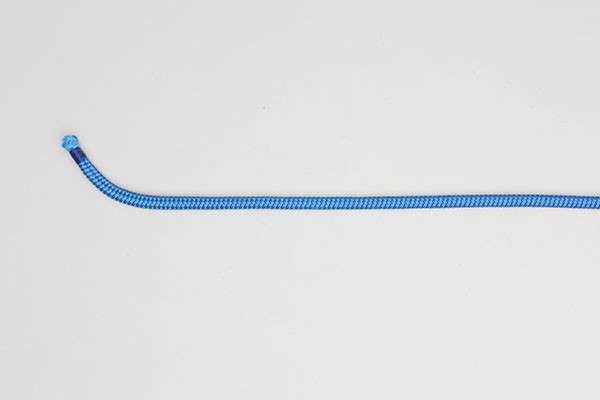
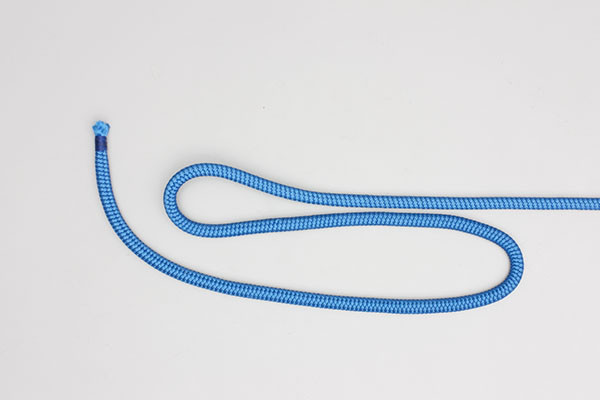
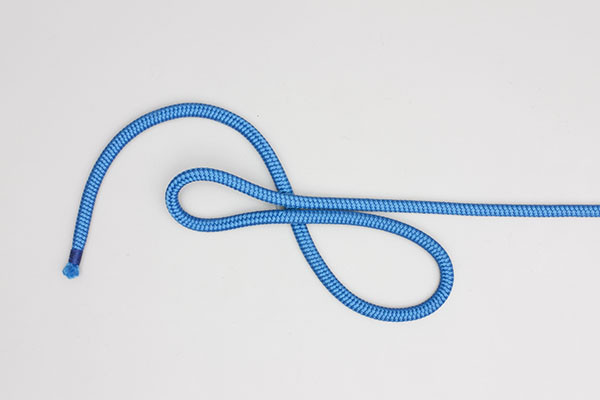
Tying the Double Dragon Loop requires precision. Follow these steps carefully to ensure the knot is seated correctly.
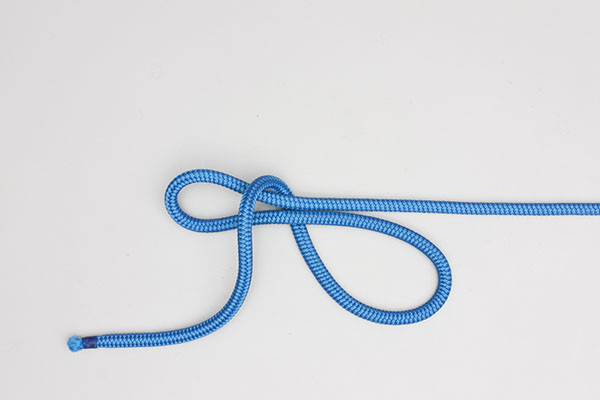
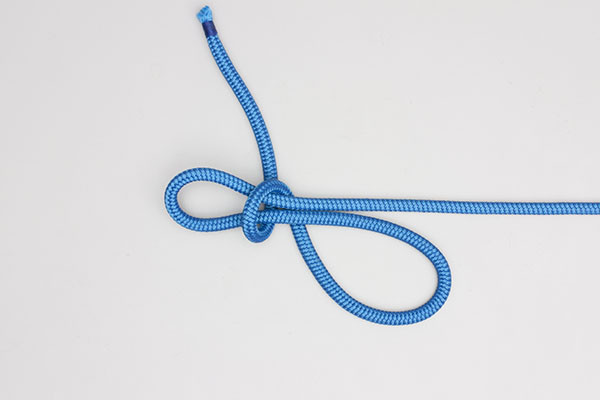
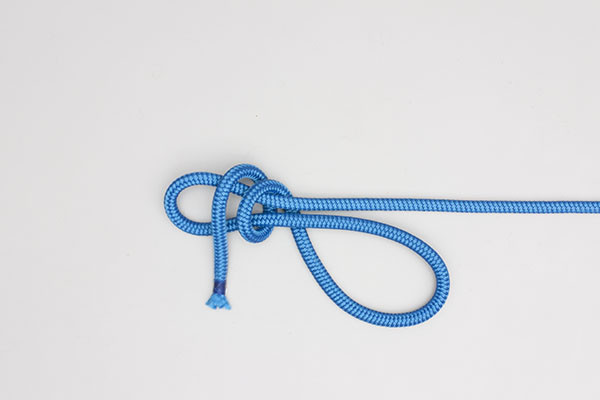
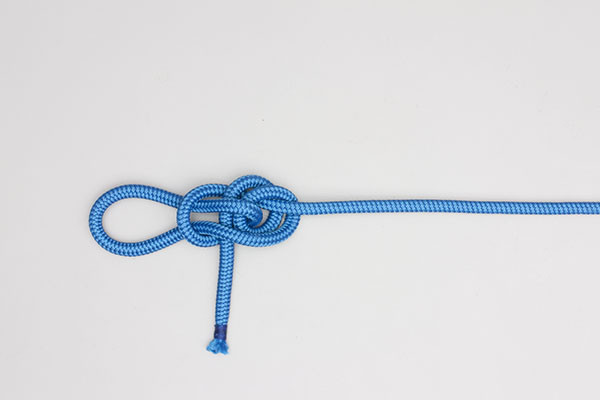
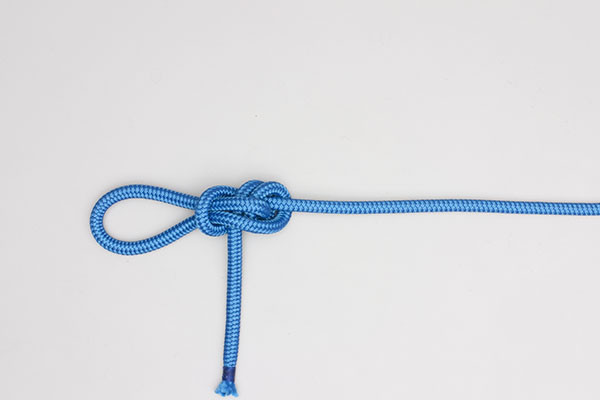
- Fold the rope into two bights: a free-end bight and a standing-end bight.
- Wrap the free end around the standing-end bight two times.
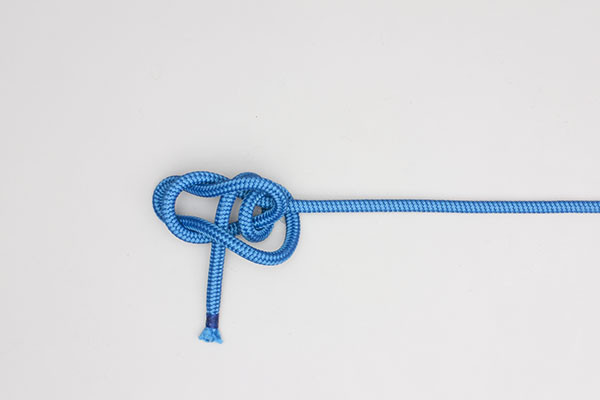
- Pass the free-end bight through the standing-end bight and tighten.
Note: After tightening, ensure the "dressing" of the knot is clean. The wraps should lie parallel to each other without overlapping in a way that creates unnecessary bulk or friction points.
Common Mistakes to Avoid
Even for experienced professionals, certain errors can compromise the integrity of the Double Dragon Loop knot.
- Insufficient Wraps: The instruction specifies wrapping the free end two times. Some beginners wrap only once, which effectively turns the knot into a much weaker slip-knot variant that can fail under load.
- Improper Dressing: "Dressing" a knot refers to the process of arranging the strands so they are neat and tight. If the wraps are crossed or tangled, the knot may not distribute the load evenly, leading to a significant reduction in the rope’s breaking strength.
- Confusing the Bights: Ensure you are passing the free-end bight through the standing-end bight and not vice versa. Reversing this step will result in a knot that does not lock.
- Short Tail: Always ensure there is enough of a "tail" (the free end) remaining after the knot is tightened. For life-safety applications, a tail length of at least five times the rope’s diameter is a standard safety rule.
Related Knots and Splicing
Understanding the Double Dragon Loop is easier when you compare it to other common outdoor rope techniques. Here are a few related knots you should know:
- The Bowline: Often called the "King of Knots," it is a simple fixed loop that is easy to tie but can be less secure in modern synthetic ropes compared to the Double Dragon.
- Alpine Butterfly Loop: A superior mid-line loop knot that handles loads from three directions, unlike the Double Dragon which is primarily an end-loop.
- Figure-Eight Loop: Extremely strong and easy to visually inspect, though it is notorious for jamming tightly after being subjected to heavy weight.
- Yosemite Bowline: A variation of the standard bowline that adds an extra wrap for security, similar in spirit to the "double" nature of the Dragon Loop.
Final Words
The Double Dragon Loop is a masterclass in knot geometry. By combining the simplicity of a bight-based knot with the security of multiple wraps, it provides a solution for situations where failure is not an option. While it may take a few more seconds to tie than a standard loop, the peace of mind it offers—and the ease with which it can be untied—makes it an essential tool in any rigger’s or outdoorsman’s arsenal.
By practicing the steps provided and avoiding common pitfalls, you can integrate this powerful knot into your outdoor rope techniques, ensuring that your anchors, hauls, and ties are as professional and secure as possible. Whether you are high in a canopy or securing gear to a roof rack, the Double Dragon Loop knot is a reliable partner in any adventure.
