
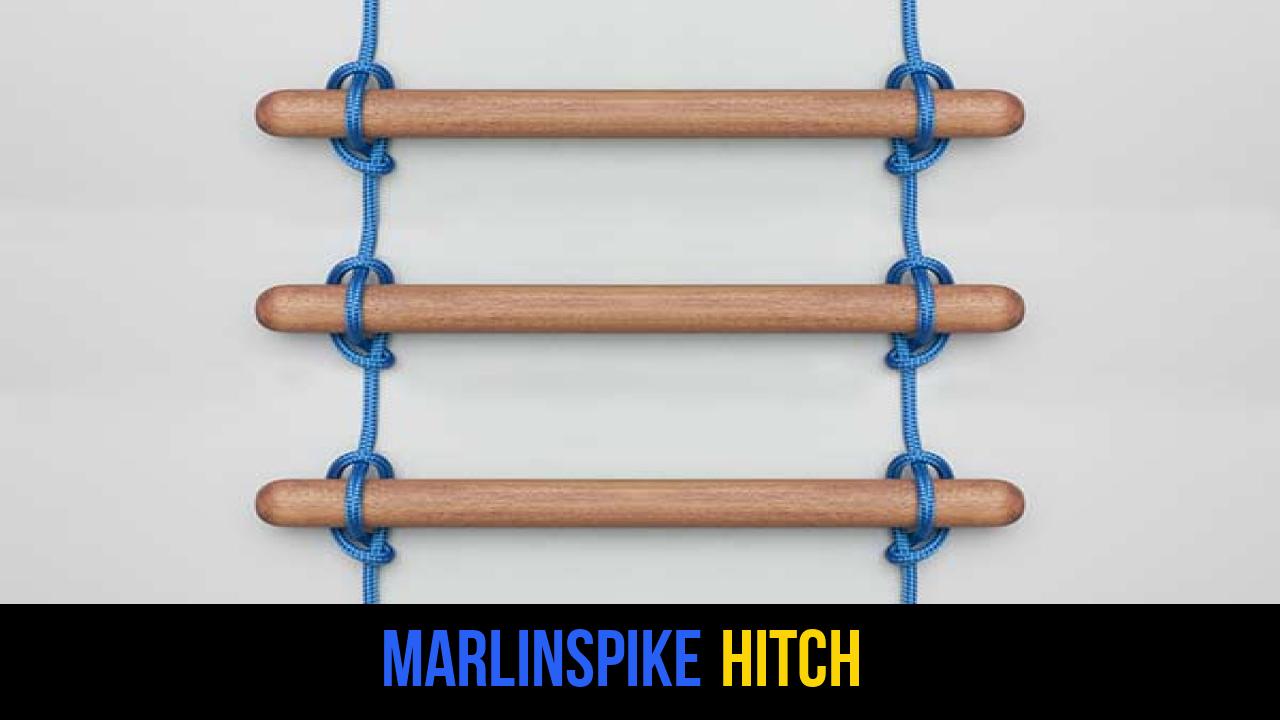
In the world of rope knots and traditional seamanship, few hitches are as versatile or as historically significant as the Marlinspike Hitch. This knot serves as a fundamental building block for sailors, arborists, and outdoor enthusiasts alike. Named after the marlinspike—a polished metal tool used by sailors to separate strands of rope for splicing—this hitch is designed to create a temporary handle or a secure point for a toggle.
The beauty of the Marlinspike Hitch lies in its simplicity and its ability to be untied instantly, even after being subjected to heavy loads. Whether you are constructing a temporary rope ladder for a backcountry adventure or setting up a sophisticated hammock suspension system, mastering this knot is a rite of passage in outdoor rope techniques. Its mechanical advantage allows a user to gain a firm grip on a rope that would otherwise be impossible to pull by hand.
Beyond its utility as a handle, the knot is a "slip" style hitch, meaning it relies on the presence of a toggle (or a pole) to maintain its integrity. Without the object in the center, the knot simply collapses, making it one of the most efficient temporary fasteners in a rigger’s arsenal.
Commonly referred to by several names depending on the region and application, it is also known as:
- Boatswain’s Hitch
- Lever Hitch
- Marlin Hitch
What Is a Marlinspike Hitch?
The Marlinspike Hitch is technically a temporary hitch that forms a loop around an object—typically a wooden or metal rod—to create a "T-handle." This allows the user to apply significant tension to a line without the rope biting into their hands. In maritime history, it was used to provide the necessary leverage when tightening lashings or seizing lines.
Practical Applications in Modern Environments
Today, the Marlinspike Hitch knot has found a new life outside of tall ships. Its most common modern applications include:
- Hammock Camping: Many ultra-light campers use this hitch with "Whoopie Slings." The hitch is tied into the tree strap, and the sling is looped over the knot (not the toggle) to create a secure, adjustable hang.
- Rope Ladders: By using a series of poles or rungs, as described in our instructional section, one can quickly fabricate a functional ladder.
- Bushcraft and Survival: It is used to create "deadman" anchors or handles for pulling heavy logs through the forest.
- Scouting and Pioneering: It is a core knot taught for building structures and bridges using spars and ropes.
The knot is prized because it does not "jam." No matter how much weight is applied to the standing end, removing the toggle allows the knot to fall apart instantly, saving time and preserving the life of the rope.
Materials and Tools Needed
To successfully utilize the Marlinspike Hitch, you must consider both the cordage and the toggle. Not all materials behave the same under tension.
Rope Types
- Natural Fiber Ropes (Manila, Hemp): Excellent for traditional aesthetics and provide great friction. However, they are prone to rot if stored wet.
- Synthetic Ropes (Nylon, Polyester): Nylon is strong but stretches. Polyester (like Dacron) is preferred for static loads because it resists UV rays and does not stretch as much as nylon.
- Paracord (550 Cord): Popular for small-scale projects and light ladders, though its elasticity makes it less ideal for heavy-duty climbing applications.
- UHMWPE (AmSteel-Blue): Used in high-end hammock suspensions. This rope is incredibly strong but very slippery, requiring careful "dressing" of the knot.
Toggles and Poles
The "spike" in the Marlinspike Hitch can be almost anything cylindrical:
- A traditional Marlinspike: Made of steel or wood.
- Wooden Rungs: For making step ladders.
- Carabiners: Often used as a temporary handle in rescue scenarios.
- Sticks/Branches: In a survival or bushcraft context.
Always ensure the toggle is strong enough to withstand the shear force applied by the rope. A snapping toggle can lead to immediate knot failure.
How to Tie a Marlinspike Hitch?
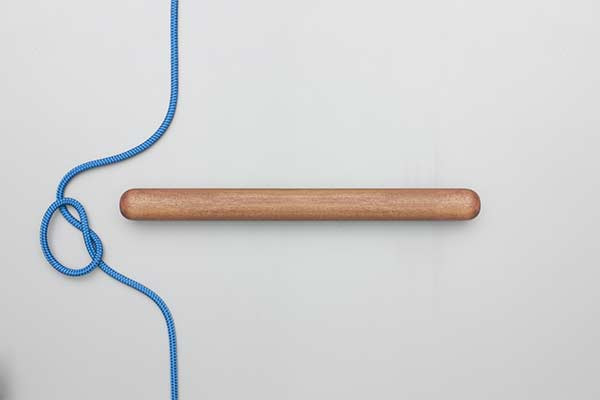
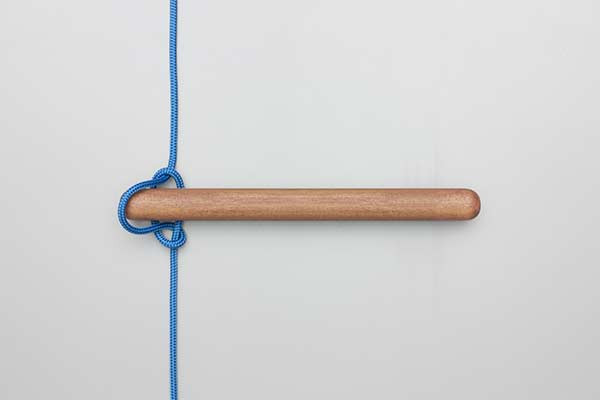
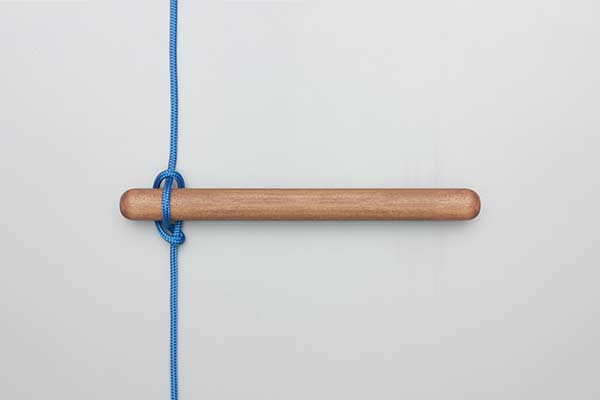
Tying the Marlinspike Hitch is a straightforward process, but precision is key to ensuring the knot is oriented correctly for the load. Follow these steps exactly as outlined to create a secure hitch or a functional step ladder.
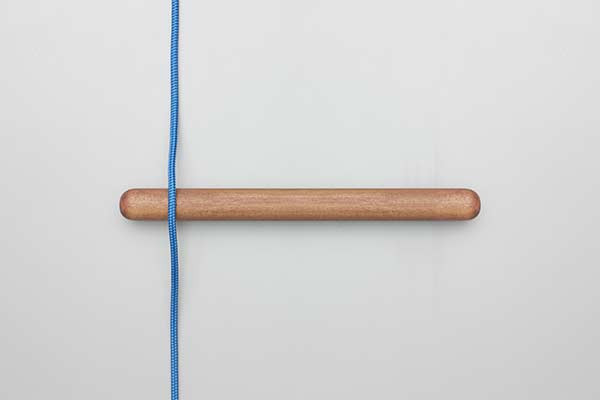
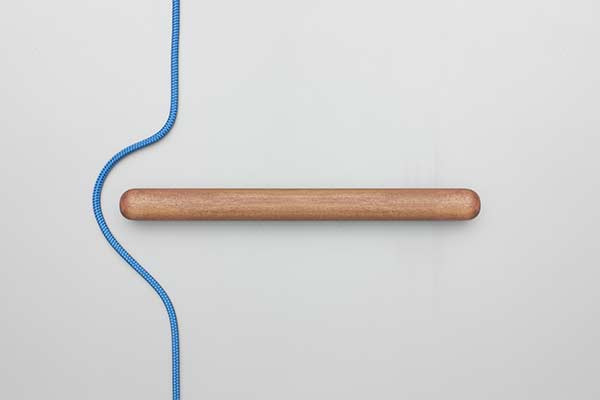
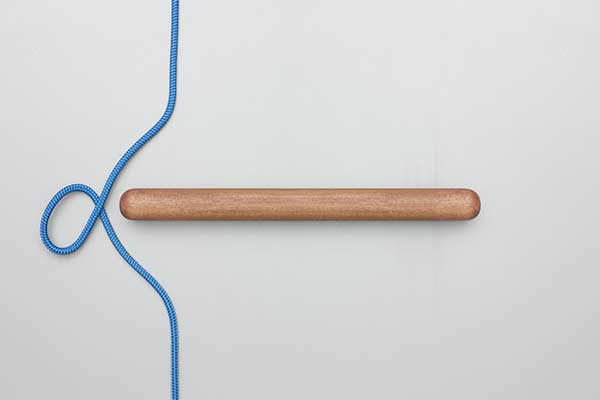
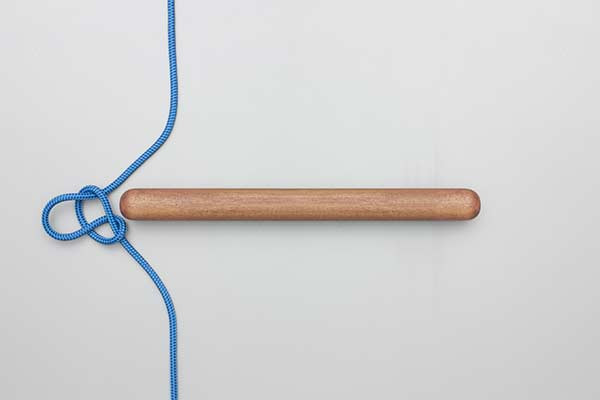
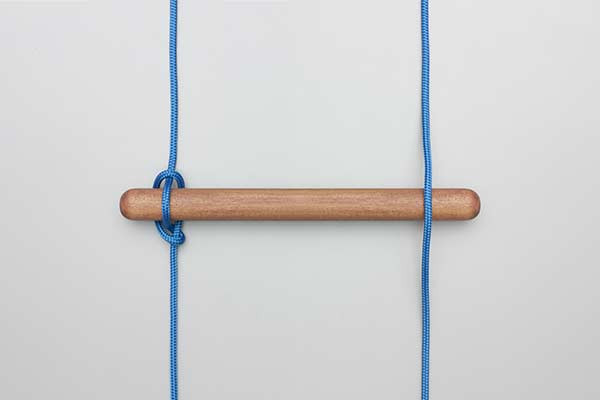
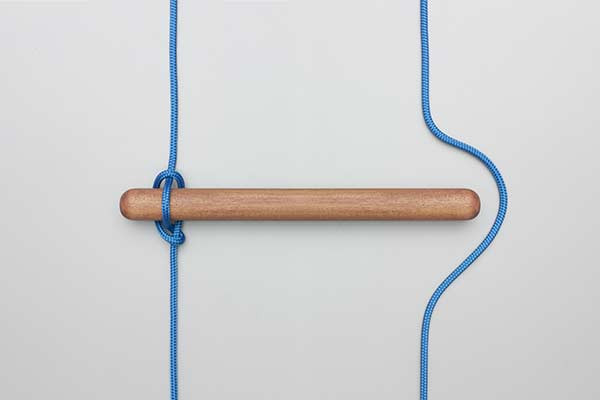
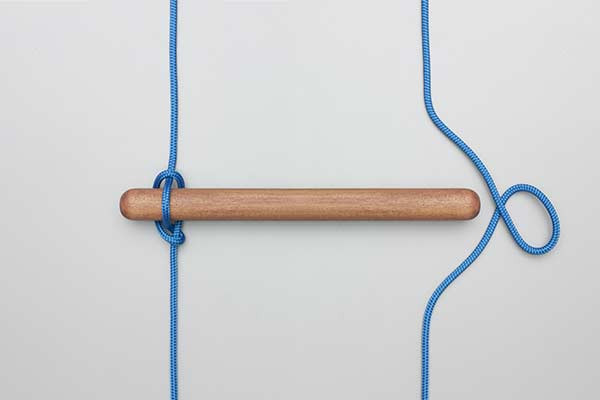
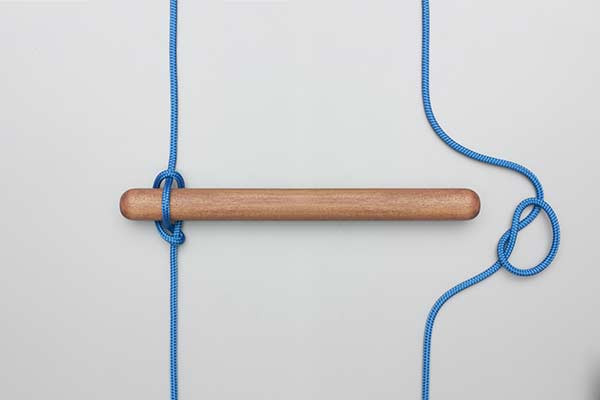
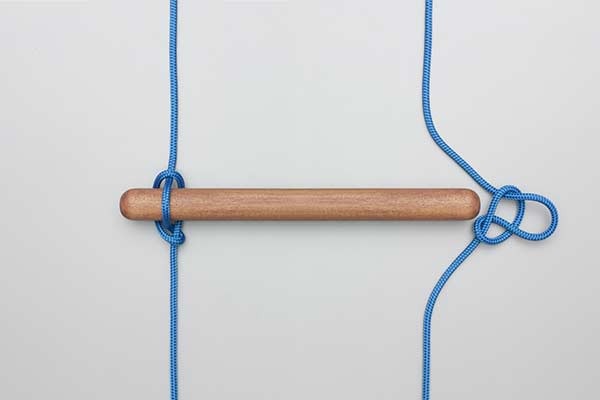
- Make a loop and through it tuck a bight of the standing end.
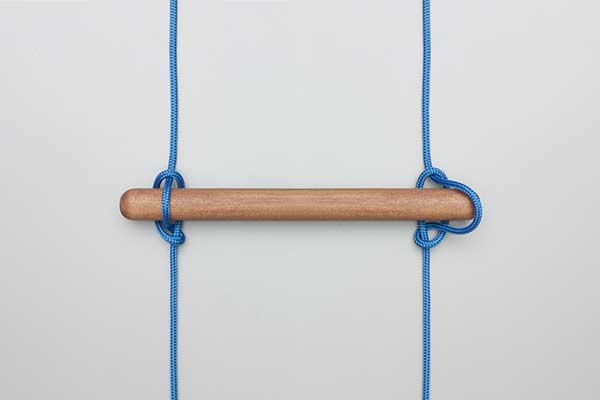
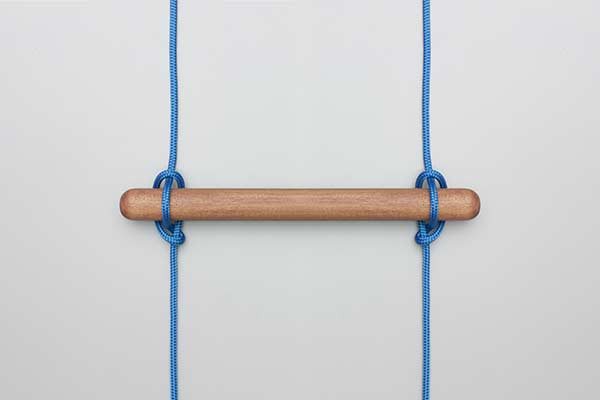
- Place the loop over the pole and tighten it.
- With a second rope, tie the same knot at the other end of the pole.
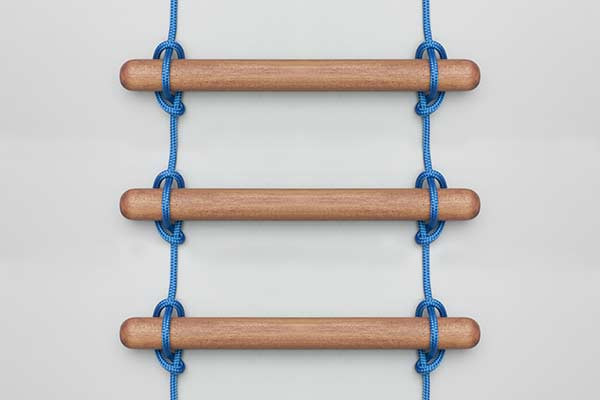
- Repeat to make a step ladder.
Note: When constructing a ladder, ensure that the poles (rungs) are of equal diameter and that the knots are tightened uniformly to prevent the ladder from hanging crookedly.
Common Mistakes to Avoid
While the Marlinspike Hitch knot is simple, errors can lead to the knot slipping or the toggle failing.
- Loading the Wrong Part of the Knot: In hammock camping specifically, the load must be placed on the knot itself (the knot’s "shoulder"), not on the toggle. If the load is placed on the toggle, a weak stick may snap, causing the system to fail.
- Using a Slippery Toggle: If using a polished metal toggle with a synthetic, slippery rope, the hitch may slide off the end of the toggle if not centered properly.
- Inadequate Tightening: Failing to "dress" the knot (straightening the strands and tightening it before use) can cause the loop to shift when weight is applied.
- Improper Orientation: When making a ladder, ensure the "bight" is pulled through in the same direction for every rung. If you flip the orientation, the ladder will be unstable.
Safety Tips
- Test Before Climbing: If using this knot for a step ladder, always test the first rung just inches off the ground.
- Check for Wear: Inspect your rope for abrasions. The tight radius of the Marlinspike Hitch can put stress on specific fibers.
- Toggle Strength: Ensure that the pole or "spike" used is not brittle. Hardwoods like oak or ash are preferred over softwoods like pine for ladder rungs.
Related Knots and Splicing
Understanding the Marlinspike Hitch is often a gateway to learning other essential outdoor rope techniques. Here are a few related knots you should know:
- The Clove Hitch: A highly popular binding knot used to secure a rope to a cylindrical object; unlike the Marlinspike, it doesn’t require a bight to be tucked through a loop.
- The Bowline: Known as the "King of Knots," it creates a fixed loop at the end of a rope that will not slip or bind under load.
- The Sheepshank: A knot used to shorten a rope or take up slack, which, like the Marlinspike Hitch, relies on tension to stay secure.
- The Trucker’s Hitch: A compound knot used for securing loads, often utilizing a variation of a simple loop (similar to the start of a Marlinspike) to create mechanical advantage.
- Eye Splice: A permanent way to create a loop in the end of a rope by weaving the strands back into the standing part, often requiring a marlinspike tool.
Final Words
The Marlinspike Hitch is an indispensable tool in the repertoire of any serious outdoorsman, sailor, or DIY enthusiast. Its ability to transform a simple piece of cordage and a wooden pole into a functional tool—whether that be a handle for tightening lines or a rung for a ladder—highlights the ingenuity of traditional rope knots.
By following the steps provided, you can quickly deploy this knot in various scenarios, from campsite organization to emergency ladder construction. Remember that the strength of your hitch is only as reliable as the material of your toggle and the quality of your rope. Practice this knot until it becomes second nature, and you will find it to be one of the most frequently used outdoor rope techniques in your kit. Mastery of the Marlinspike Hitch is not just about tying a knot; it’s about understanding the physics of tension and the efficiency of simple, functional design.
