
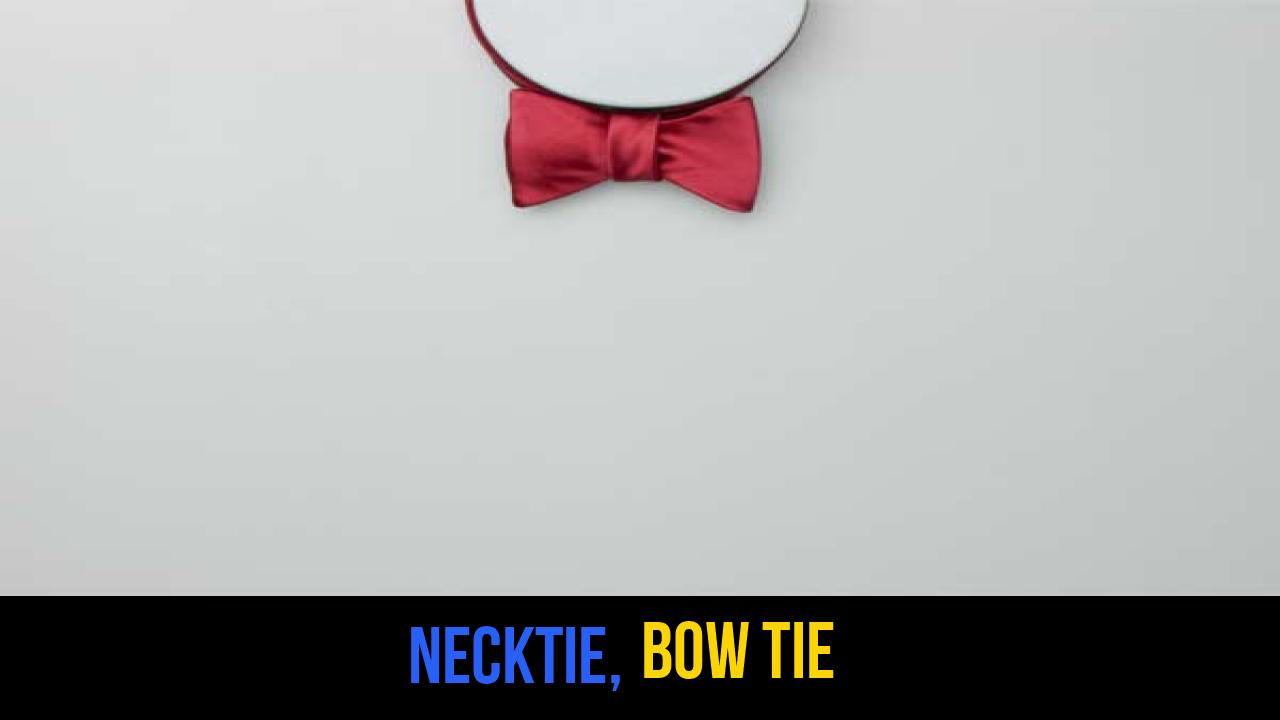
In the world of technical gear and outdoor survival, the ability to manipulate cordage is a fundamental skill. While most people associate a Necktie or Bow Tie exclusively with formal galas or corporate boardrooms, the underlying geometry of these knots shares a profound lineage with functional rope knots and outdoor rope techniques. Whether you are securing a bundle of firewood, lacing specialized mountaineering boots, or simply dressing for a high-stakes event, understanding the mechanics of a knot is what separates the amateur from the expert.
The Necktie and Bow Tie are more than just fashion statements; they are exercises in tension, friction, and symmetry. For the outdoor specialist, the Bow Tie is essentially a decorative variation of a slipped square knot, designed to hold securely under light tension while remaining remarkably easy to untie with a single pull. This article provides a comprehensive deep dive into the art of tying these essential knots, ensuring you have the technical proficiency to execute them perfectly every time.
Alternative Names: Butterfly Knot (Decorative), Formal Loop, Tuxedo Knot, Double-Slipped Square Knot.
What Is a Necktie, Bow Tie?
A Necktie or Bow Tie is a functional binding knot used primarily to secure a fabric band around a collar. However, in a broader technical context, the Bow Tie knot is a specialized bend or loop that utilizes two bights (loops) to create a mechanical stop.
Practical Uses in Modern Contexts
- Formal Attire: The most common application, providing a symmetrical finish to professional wear.
- Outdoor Gear Maintenance: Utilizing the bow tie structure for quick-release lashings on backpacks or temporary gear bundles.
- Survival Applications: The "bow" mechanism is used in footwear lacing to ensure boots stay tight during high-impact movement while allowing for rapid removal in emergency medical situations.
- Decorative Knotting: Used in macramé and decorative rope work to create aesthetic patterns that mirror the symmetry of the Necktie, Bow Tie.
Understanding the Necktie, Bow Tie knot through the lens of outdoor rope techniques allows the user to appreciate the balance between security and convenience. A well-tied knot should never slip unexpectedly, yet it should never "jam" when it is time to be undone.
Materials and Tools Needed
Before you begin the process of tying a Necktie, Bow Tie, you must select the appropriate materials. The behavior of a knot changes drastically based on the friction coefficient and diameter of the cordage or fabric used.
Fabric and Cordage Types
- Silk and Satin: Standard for formal wear. These materials have low friction, requiring a precise "pull tight" phase to ensure the knot does not migrate.
- Paracord (550 Cord): If practicing for outdoor rope techniques, paracord is the gold standard. Its nylon sheath provides enough grip to hold the Bow Tie shape effectively.
- Cotton Cord: Excellent for beginners due to its high natural friction, which prevents the knot from slipping while you are learning the steps.
Essential Considerations
- Length: Ensure you have enough "working end" to complete the final pass. For a Bow Tie, the ends should generally reach the outer edges of the collar points.
- Mirror: A vertical mirror is essential for beginners to ensure symmetry.
- Tension Control: Unlike a fixed loop like the Bowline, the Necktie, Bow Tie requires active tensioning throughout the process.
How to Tie Necktie, Bow Tie?
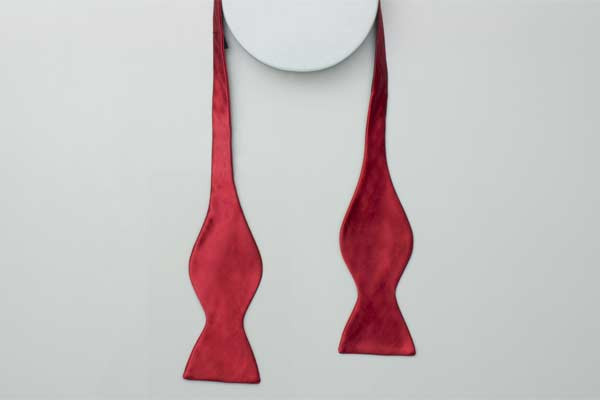
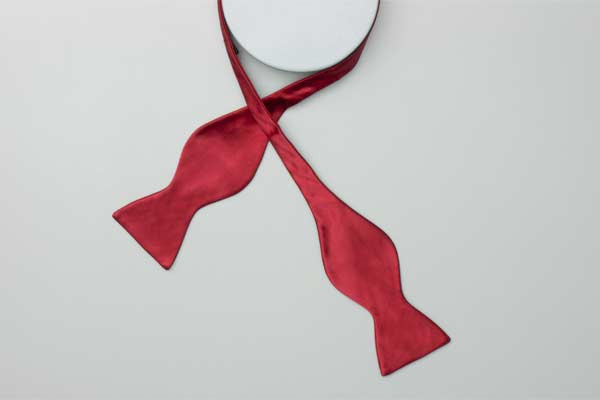
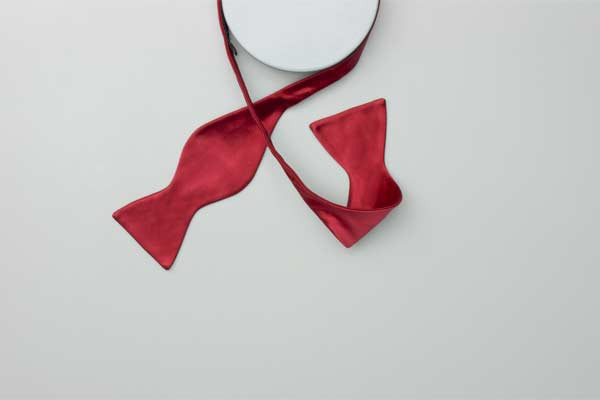
To achieve a professional and secure result, follow these instructions precisely. This sequence ensures the structural integrity of the knot while maintaining the classic aesthetic.
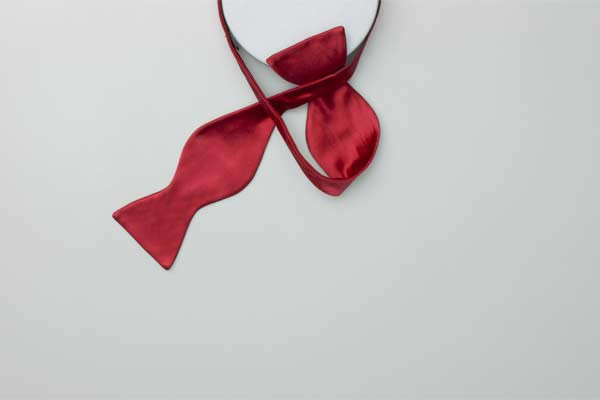
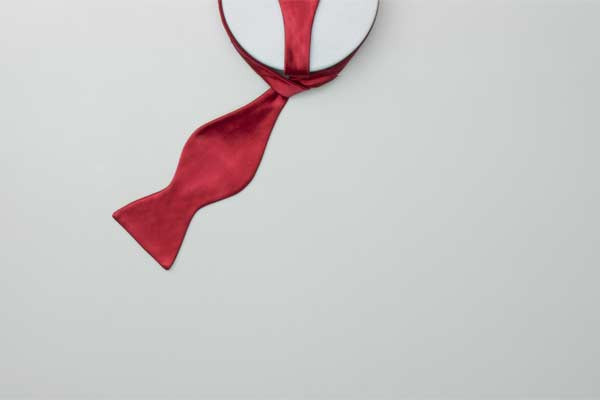
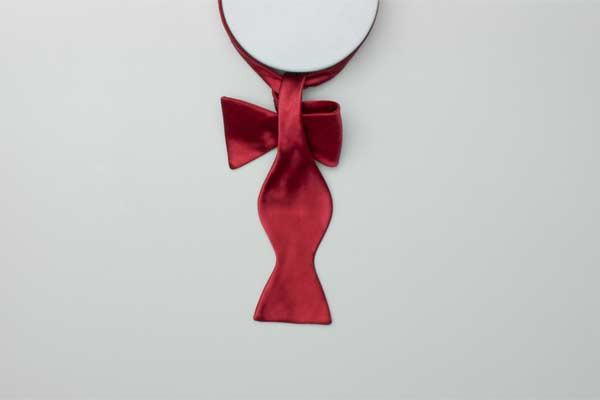
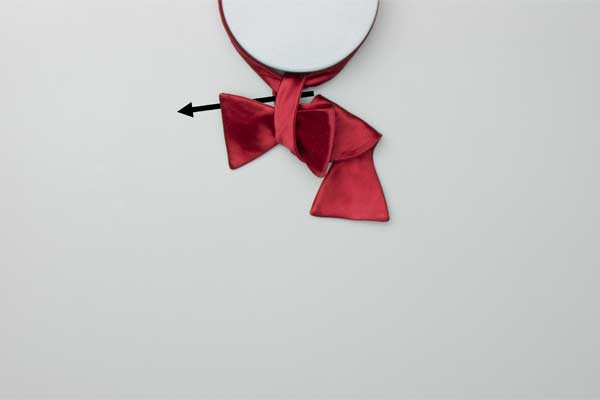
- Cross the long end over the short.
- Then tuck it up under the short end and pull tight against the neck.
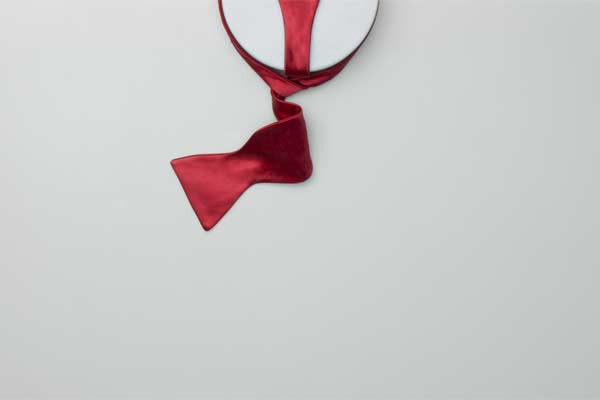
- Fold the short end into a half bow.
- Then bring the long end down in front of the half bow.
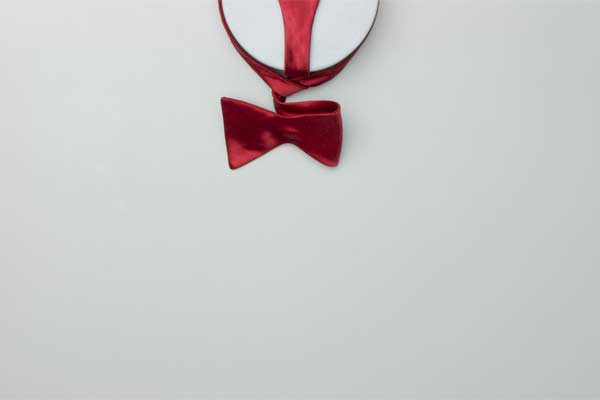
- Fold the long end into the second half bow and pass it behind behind the first one.
- Straighten and pull tight.



Common Mistakes to Avoid
Even experienced practitioners of rope knots can struggle with the Necktie, Bow Tie if they lose focus on the fundamentals of knot mechanics.
1. Uneven Working Ends
If the "long end" and "short end" are not properly measured at the start, the final Bow Tie will be lopsided. In technical rope work, this can lead to uneven weight distribution. Ensure the initial cross is positioned correctly according to your neck size.
2. Loose Foundation (The "First Overhand")
Step 2 of the instructions requires you to "pull tight against the neck." If this foundation is loose, the entire knot will sag. This is a common error in outdoor rope techniques where a loose initial wrap leads to the failure of the entire lashing.
3. Passing the Bow through the Wrong Opening
In Step 5, the second half bow must be passed behind the first one through the small loop created by the fold. Passing it in front or through the main neck loop will result in a knot that collapses immediately upon tension.
4. Ignoring Material Memory
Synthetic fabrics and ropes often have "memory." If your cordage has been coiled for a long time, it may resist the "straighten" phase (Step 6). Always "dress" your knot by smoothing out the loops to ensure it lays flat.
Related Knots and Splicing
To truly master the Necktie, Bow Tie, it is helpful to understand its "relatives" in the world of cordage. Each of these knots shares a functional or structural similarity.
- Square Knot (Reef Knot): The fundamental base of the bow tie; a simple binding knot used to secure a rope or line around an object.
- Slipped Square Knot: A square knot with one end tucked back through the final pass, allowing for a quick-release function similar to a shoelace.
- Figure Eight Loop: A highly secure non-slip loop used in climbing; while more permanent than a bow tie, it shares the requirement for perfect "dressing."
- Taut-Line Hitch: An adjustable loop knot for use on lines under tension, useful in outdoor camping for securing tent guy-lines.
- Sheet Bend: A knot used for joining two ropes of different diameters, emphasizing the "cross over and tuck" mechanics found in formal knots.
Final Words
Mastering the Necktie, Bow Tie is a hallmark of a well-rounded individual, blending the precision of formal etiquette with the technical prowess of rope knots. By following the structured steps provided, you ensure a knot that is both aesthetically pleasing and structurally sound.
Whether you are applying these outdoor rope techniques to your survival gear or preparing for a black-tie event, remember that the secret to a perfect knot lies in the details: the tension of the tuck, the symmetry of the bows, and the final "dressing" of the material. Practice these steps with different types of cordage to gain a deeper tactile understanding of how friction and form interact to create one of the world’s most iconic knots.
