
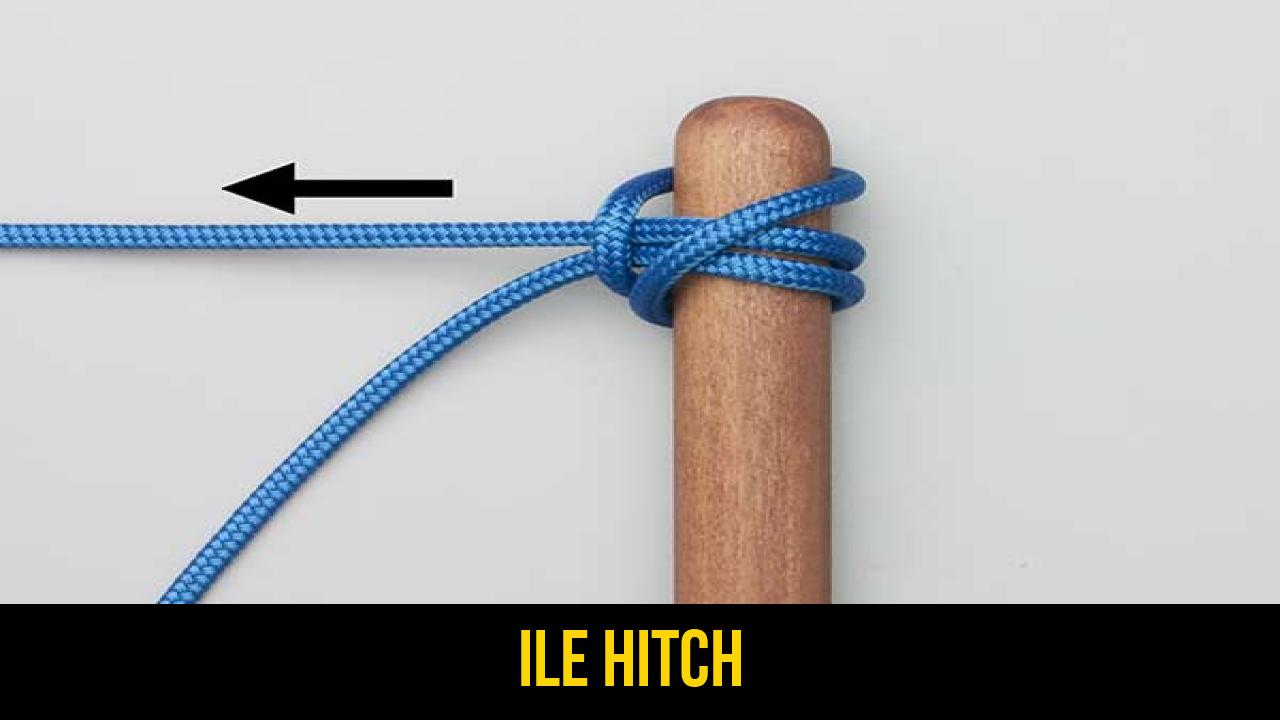
In the world of rope knots and outdoor rope techniques, few hitches offer the specific combination of speed, reliability, and ease of use found in the Pile Hitch. Whether you are securing a boat to a pier, setting up a temporary camp structure, or working on a construction site, understanding how to effectively harness the tension of a rope is a fundamental skill.
The Pile Hitch is a specialized binding knot used to attach a rope to a vertical or horizontal post (often referred to as a "pile"). Its primary advantage lies in its ability to be tied in the middle of a rope—on a bight—meaning you do not need access to the ends of the rope to secure it. This makes it an indispensable tool for maritime professionals, arborists, and outdoor enthusiasts who require a quick, temporary, yet secure attachment point.
Commonly known by several names depending on the region and industry, this knot is also referred to as the: Post Hitch, Pier Hitch, and Temporary Mooring Hitch.
What Is a Pile Hitch?
The Pile Hitch is a type of hitch knot specifically designed to be dropped over the top of a post or "pile." It is categorized under outdoor rope techniques that prioritize efficiency. Unlike a Clove Hitch, which can sometimes "roll" or slip if the rope is particularly slick or the load is inconsistent, the Pile Hitch utilizes a bight of rope to create a self-reinforcing loop that tightens as tension is applied to the standing end.
Practical Uses and Applications
- Maritime Mooring: Perhaps the most common use for the Pile Hitch knot is in short-term mooring. When a boat approaches a dock, a sailor can quickly form a bight, loop it around a bollard or piling, and drop it over the top to secure the vessel.
- Scouting and Pioneering: In outdoor education, the Pile Hitch is used to secure cross-beams or to provide a starting point for lashings when the top of the pole is accessible.
- General Utility: From securing a clothesline to a fence post to creating a temporary tether for equipment in a truck bed, its versatility is unmatched for quick-release scenarios.
- Arboriculture: Tree surgeons often use variations of this hitch to temporarily secure rigging lines to tree trunks during the dismantling process.
One of the most significant benefits of this knot is its de-tensioning capability. Even after being subjected to a heavy load, the Pile Hitch remains relatively easy to loosen and remove, provided the top of the post is accessible.
Materials and Tools Needed
To master the Pile Hitch, you must first understand the materials involved. Not all ropes are created equal, and the surface of the object you are tying to will dictate the security of the knot.
Recommended Rope Types
- Three-Strand Twisted Nylon: Excellent for mooring because it has high elasticity, which absorbs shock loads.
- Braided Polyester: Offers great UV resistance and low stretch, making it ideal for semi-permanent outdoor setups.
- Manila or Hemp: These natural fibers provide excellent "grip" on wooden posts, though they are prone to rot if not dried properly.
- Polypropylene: Often used in water-based activities because it floats, though it is the most "slippery" and requires careful tightening of the Pile Hitch knot.
Tools and Considerations
- The Pile/Post: Ensure the post is sturdy and has a clear "top." The Pile Hitch cannot be tied if the post is part of a continuous structure (like a bridge support) where you cannot drop a loop over the top.
- Gloves: When working with high-tension rope knots, heavy-duty leather gloves protect against rope burn.
- Post Diameter: The rope should be proportional to the post. A very thin rope on a very wide post may not create enough friction to hold securely under lateral force.
How to Tie Pile Hitch?
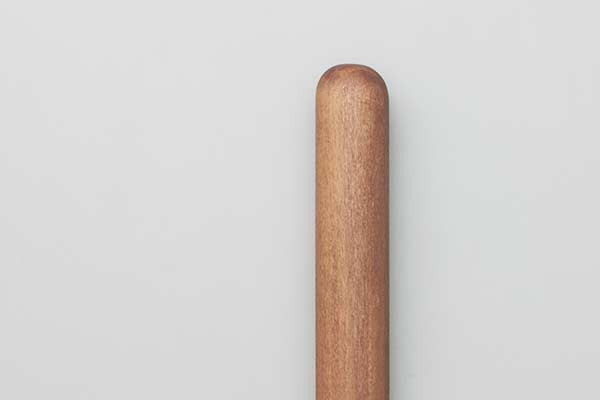
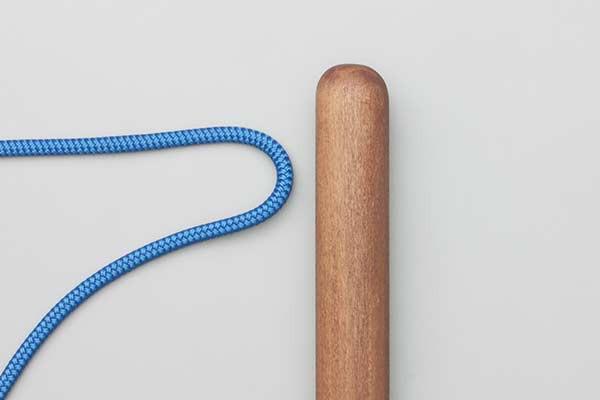
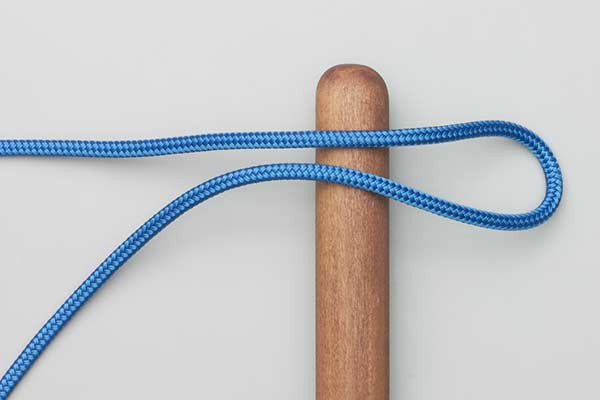
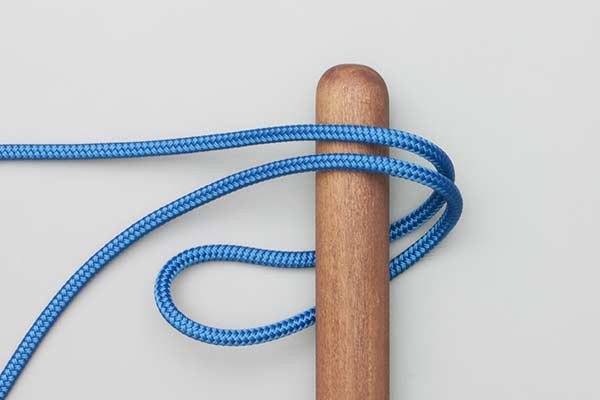
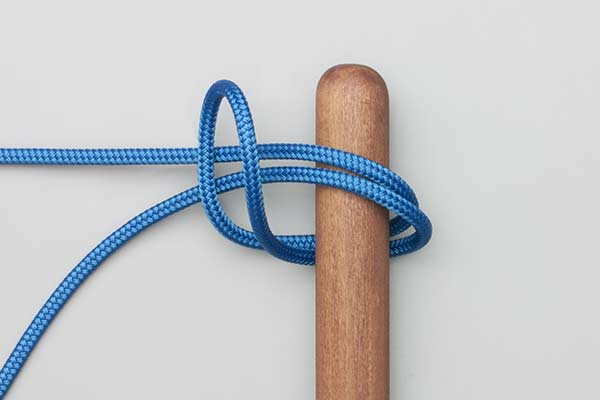
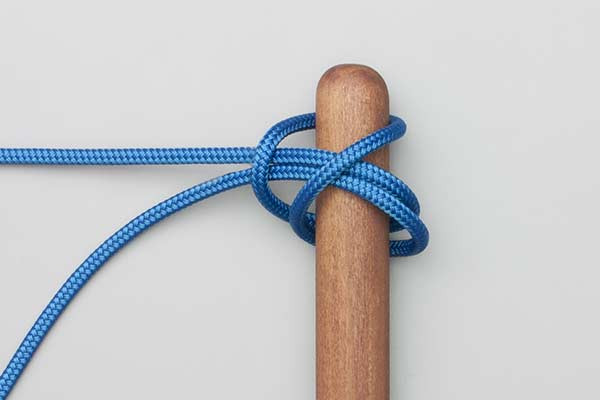
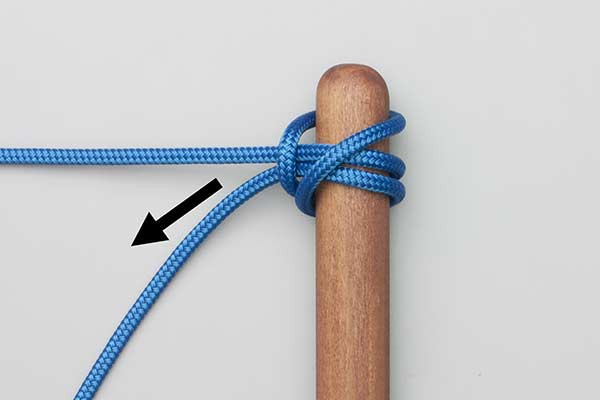
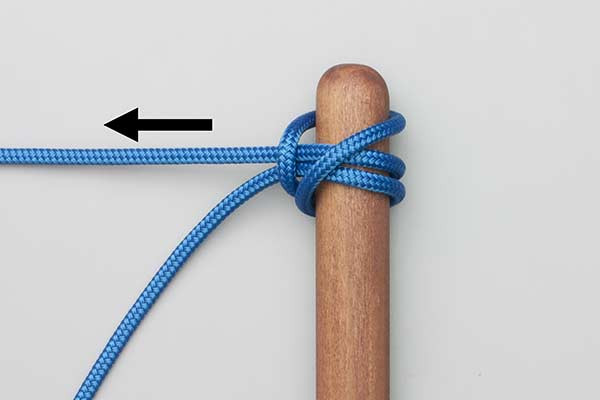
To ensure safety and reliability, follow these instructions precisely. This method utilizes a "bight," which is a U-shaped loop in the rope that does not involve the ends.
- Pass a bight of the rope around the pole and under the standing end.
- Drop the bight over the top of the pole.
- Tighten the hitch so that the standing end can take the load.
By following these steps, you create a loop that effectively "chokes" the post. As the standing end (the part of the rope carrying the load) is pulled, it traps the bight against the post, increasing the friction and preventing the knot from slipping.
Common Mistakes to Avoid
Even seasoned professionals can make errors when applying outdoor rope techniques. To ensure your Pile Hitch remains secure, watch out for these common pitfalls:
- Insufficient Tail Length: If you are using the end of the rope to form your bight, ensure there is enough "tail" (the loose end) left over. If the tail is too short, the knot may unravel under heavy vibration or cyclic loading.
- Incorrect Bight Placement: A common mistake is passing the bight over the standing end rather than under it. This prevents the "choke" effect and will cause the knot to fail immediately when tension is applied.
- Slippery Synthetic Ropes: In very slick synthetic ropes (like HMPE or certain poly blends), the Pile Hitch knot might slip. In these cases, it is safer to use a Round Turn and Two Half Hitches.
- Ignoring the Post Top: The Pile Hitch relies on the bight staying over the top of the post. If the post is tapered or if the rope is pulled upward, the bight could slip off the top, resulting in total failure.
- Lack of Dressing: "Dressing" a knot means straightening the strands so they lie flat against each other. A messy Pile Hitch has internal friction points that can weaken the rope over time.
Safety Tip:
Always test the knot with a manual tug before trusting it with a heavy or "live" load (such as a boat or a person).
Related Knots and Splicing
Expanding your vocabulary of rope knots allows you to choose the right tool for every situation. Here are several knots related to the Pile Hitch:
- Clove Hitch: A fundamental knot used to secure a rope to a post, though it can slip under heavy tension if not backed up.
- Round Turn and Two Half Hitches: A highly secure mooring knot that is easy to untie even after bearing extreme loads for long periods.
- Timber Hitch: Specifically designed for hauling cylindrical objects like logs; it grips tighter as the tension increases.
- Anchor Bend: A robust knot used to attach a rope to a ring or shackle, frequently used in maritime and climbing contexts.
- Constrictor Knot: One of the most effective binding knots, designed to be permanent and nearly impossible to untie once tightened.
Final Words
The Pile Hitch is a testament to the elegance of functional outdoor rope techniques. Its simplicity—requiring only a bight and a post—makes it one of the fastest hitches to deploy in high-pressure situations. While it may not be the most permanent solution for every rigging scenario, its utility in mooring and temporary fastening is undisputed.
By mastering the Pile Hitch knot, you add a professional-grade tool to your repertoire. Remember that the key to any successful knot-tying endeavor is practice. Work with different rope diameters and textures to see how the hitch reacts to various conditions. Whether you are on the water, in the woods, or on a job site, the ability to quickly and securely "drop a bight" will serve you well for years to come.
Stay safe, keep your ropes well-maintained, and always double-check your hitches before applying a load. Happy tying!
