
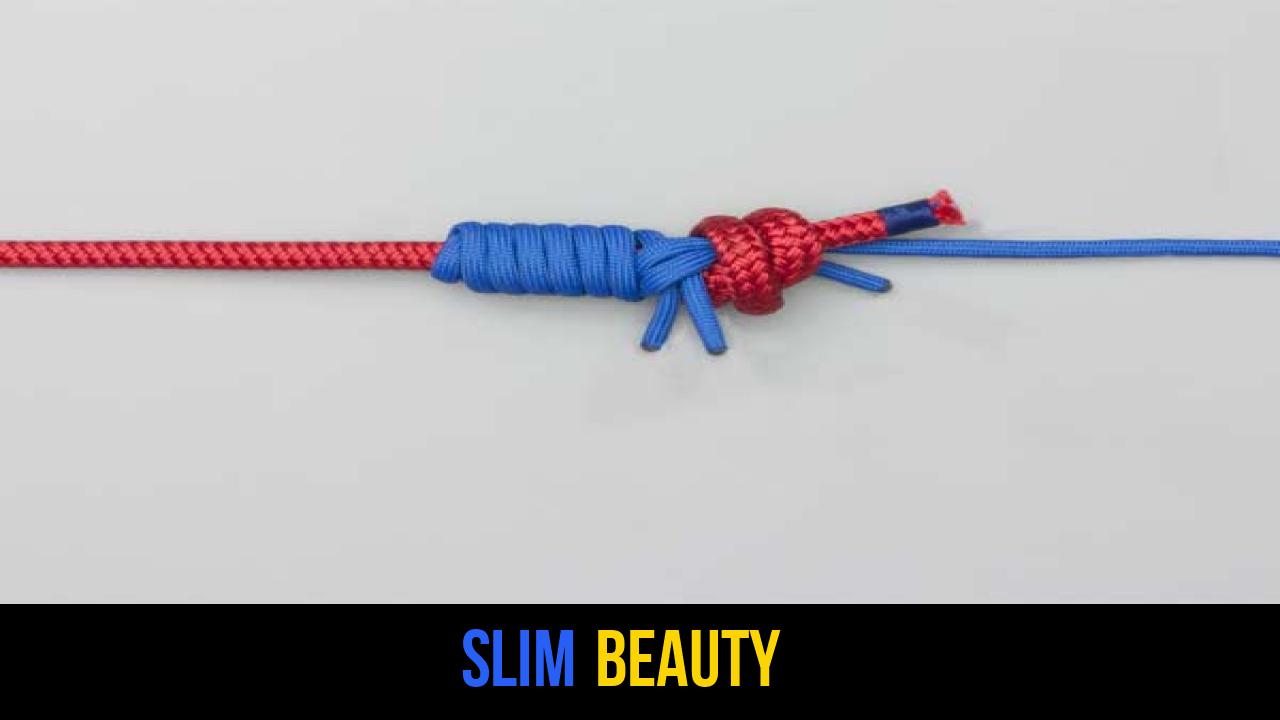
In the world of angling and technical outdoor rope techniques, few connections are as revered for their streamlined profile and high breaking strength as the Slim Beauty knot. Whether you are a professional guide targeting trophy tarpon or a weekend hobbyist exploring new waters, mastering the art of joining two lines of significantly different diameters is a fundamental skill.
The Slim Beauty knot has earned its reputation as a "go-to" connection because it passes through rod guides with minimal friction, reducing the risk of tangles or damage during a high-stakes cast. While many rope knots focus solely on sheer strength, the Slim Beauty prioritizes a balance of security and aerodynamics.
In this comprehensive guide, we will break down the history, utility, and precise mechanics of this essential knot. By the end of this article, you will understand exactly why this connection is a staple in the gear bags of outdoor experts worldwide.
Alternative Names: The Slim Beauty is occasionally referred to as the Figure-Eight Leader Knot or simply the Beauty Knot.
What Is a Slim Beauty?
The Slim Beauty knot is a terminal tackle connection primarily used to join a thick leader or tippet to a thinner main line (often braided line or a fly line backing). Its defining characteristic is its compact, "slim" shape. Unlike the bulkier Albright knot, the Slim Beauty features a wrap-back design that ensures the tag ends point away from the direction of the cast, preventing them from catching on the rod’s eyelets.
Practical Uses and Advantages
- Saltwater Fly Fishing: Originally popularized by Florida Keys guides, it is the gold standard for attaching heavy shock leaders to class tippets.
- Braid-to-Mono Connections: In modern lure fishing, it provides a rock-solid link between ultra-thin braided main lines and fluorocarbon leaders.
- Big Game Angling: Because the knot doubles over the main line, it provides a "cushioning" effect that helps absorb the shock of a sudden strike from a powerful fish.
- Low Visibility: The tight wraps minimize the "footprint" of the knot in the water, making it less likely to spook wary fish in clear conditions.
Materials and Tools Needed
To tie a perfect Slim Beauty knot, you need to consider the texture and diameter of the materials you are using. While it is a versatile member of the rope knots family, it performs best with specific gear:
- The Tippet/Leader: Typically a thicker monofilament or fluorocarbon. This serves as the "foundation" for the knot.
- The Main Line: This is usually the thinner line (braid or a lighter mono) that will be wrapped around the leader.
- Line Nippers or Scissors: Precision is key. You will need a sharp tool to trim the tag ends as close to the knot as possible without nicking the main structure.
- Lubricant: This can be water or saliva. Outdoor rope techniques involving high-friction wraps require lubrication to prevent "line burn," which weakens the material during the tightening process.
- Gloves (Optional): If you are using heavy-duty saltwater lines, wearing gloves can help you pull the knot to its maximum seat without cutting your hands.
How to Tie a Slim Beauty Knot
Following the proper sequence is vital for the integrity of the knot. Please follow these steps exactly to ensure a secure connection:
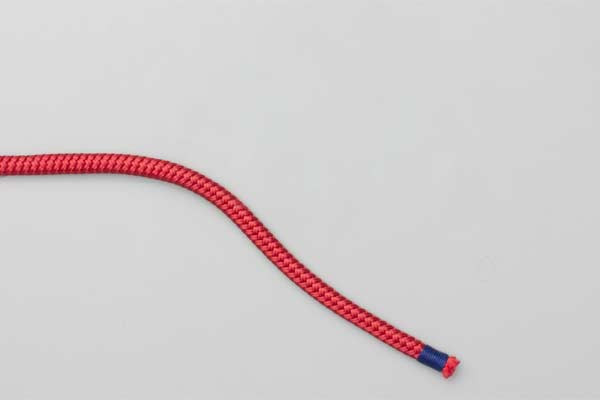
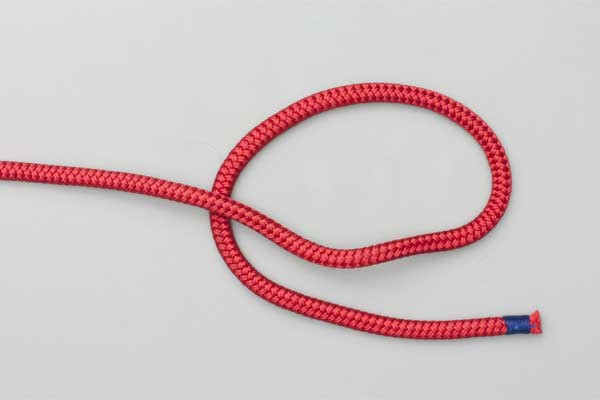
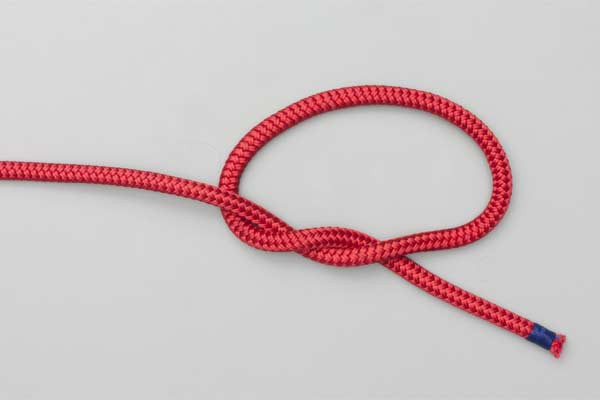
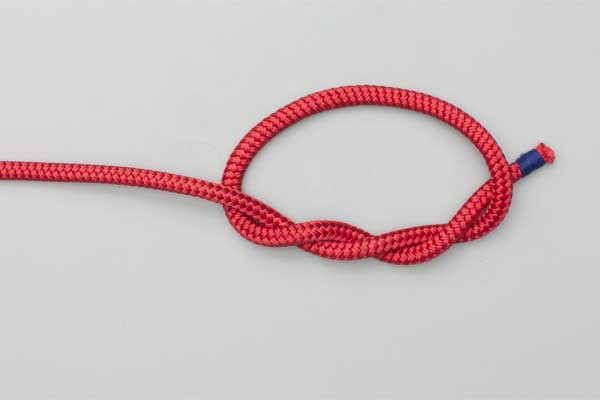
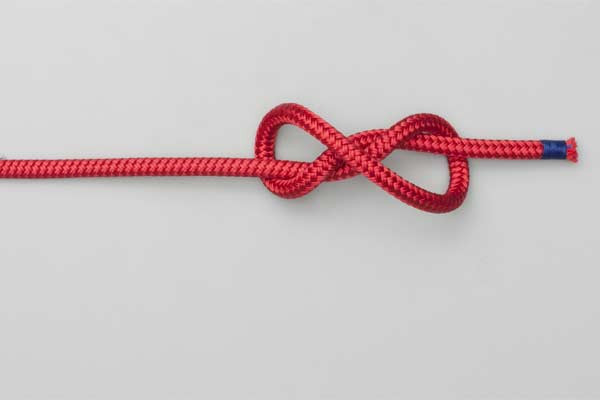
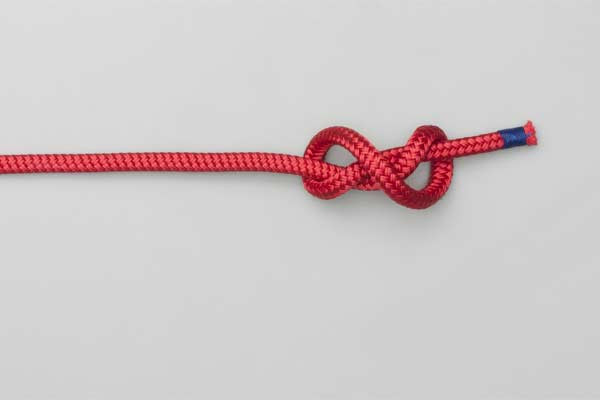
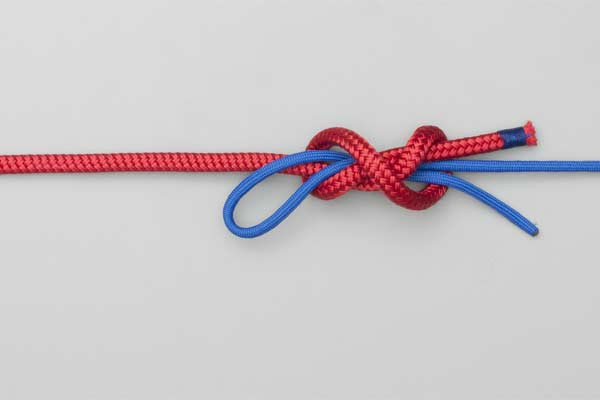
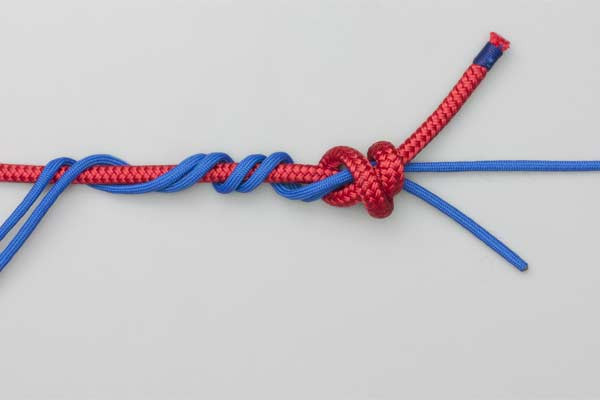
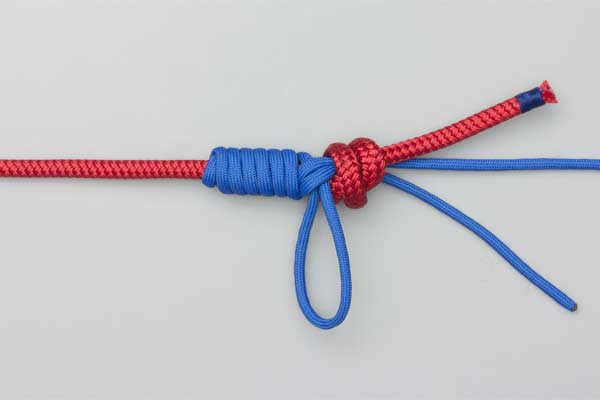
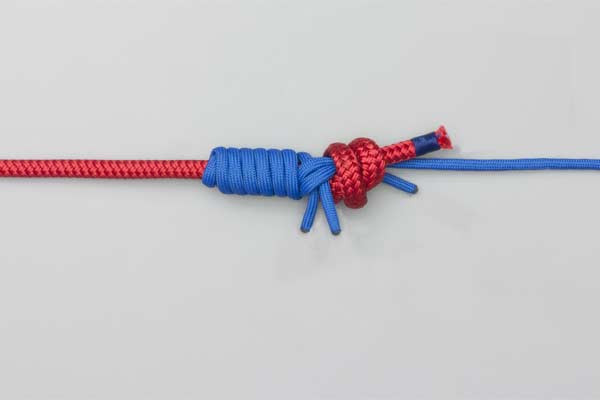
- Tie a Double Overhand knot in the Tippet and tighten it form two loops.
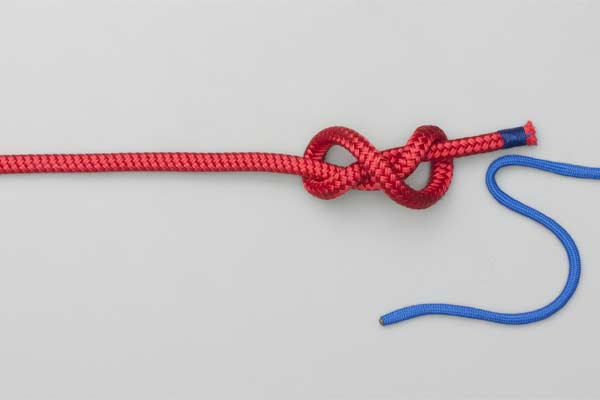
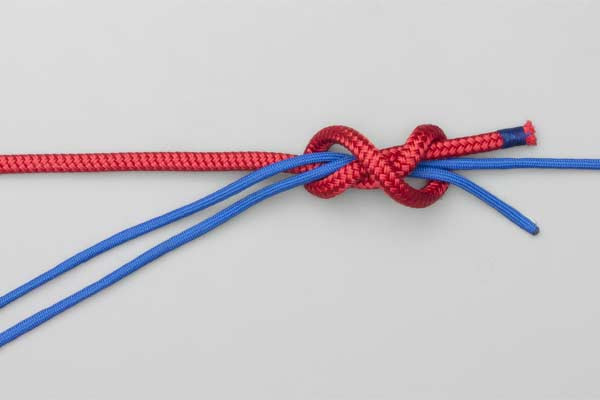
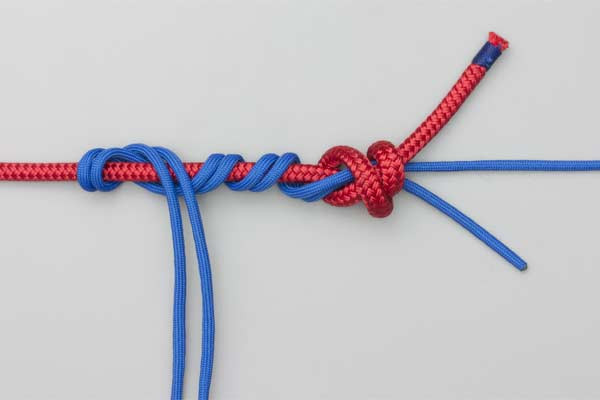
- Pass a bight of the main line through the two loops.
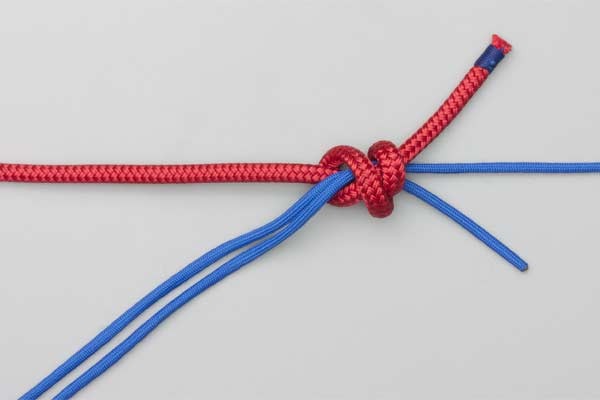
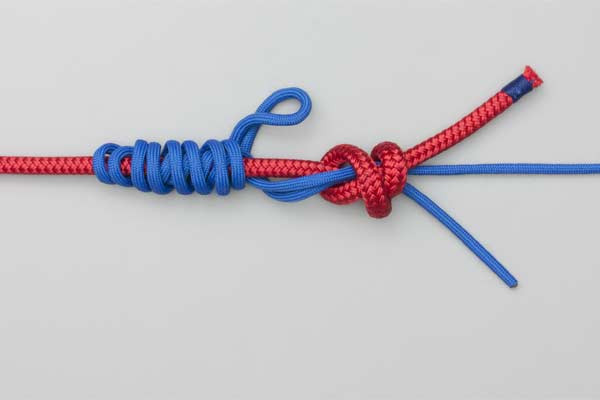
- Wrap the bight four turns around the Tippet and then another four turns outside the first four turns.
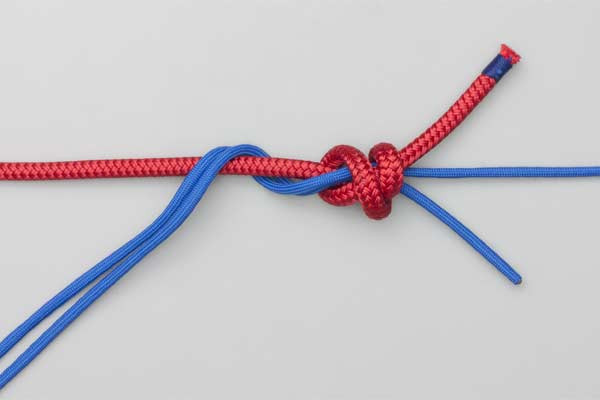
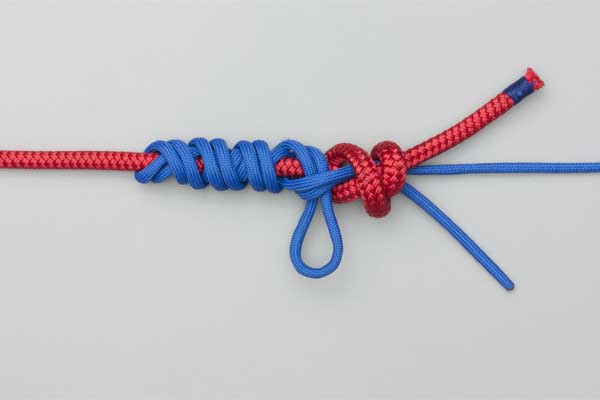
- Tuck the bight under itself.
- Lubricate, pull tight, and trim the ends.
Common Mistakes to Avoid
Even experienced outdoorsmen can occasionally fail when tying complex rope knots. To ensure your Slim Beauty knot holds up under pressure, watch out for these common errors:
1. Improper Formation of the Double Overhand
The foundation of the knot is the double overhand in the thicker line. If this is not tightened correctly to form two distinct "figure-eight" style loops, the main line will not have a secure anchor point. Ensure the loops are symmetrical before passing the bight through.
2. Skipping Lubrication
This is perhaps the most common cause of knot failure. As you pull the eight wraps tight (four up and four down), the friction generates heat. In fluorocarbon or monofilament, this heat causes "line burn," which can reduce the breaking strength of the line by up to 50%. Always lubricate thoroughly.
3. Uneven Wraps
The "four turns out and four turns back" must be neat. If the wraps overlap haphazardly, the knot will become bulky and may slip. Take your time to guide the loops so they sit side-by-side like a coil spring.
4. Leaving Long Tag Ends
Because the Slim Beauty knot is designed to be low-profile, leaving long tag ends defeats the purpose. However, be careful not to cut so close that you damage the knot’s structure. Use high-quality nippers for a clean, flush finish.
Related Knots and Splicing
Understanding how the Slim Beauty knot compares to other outdoor rope techniques can help you choose the right tool for the job.
- Albright Knot: A classic connection for lines of different diameters, though it tends to be slightly bulkier than the Slim Beauty.
- FG Knot: A very thin, high-strength connection that relies on many wraps; it is stronger but significantly harder to tie in windy conditions.
- Blood Knot: Best used for joining two lines of similar diameter, creating a very straight, symmetrical connection.
- Double Surgeon’s Knot: A quick and easy loop-to-loop style connection that is secure but lacks the "slim" profile needed for casting through guides.
Final Words
The Slim Beauty knot is a masterclass in efficiency and strength. By following the precise steps of tying a double overhand to create an anchor and then carefully wrapping the main line bight, you create a connection that is both reliable and aesthetically pleasing.
In the realm of outdoor rope techniques, the ability to adapt to your environment is key. The Slim Beauty gives you the confidence to use lighter main lines with heavy leaders, expanding your tactical options whether you are on a boat, a riverbank, or deep in the wilderness. Practice this knot at home until the muscle memory takes over; when the "big one" finally hits, you’ll be glad you did.
Remember: Lubricate, pull tight, and always test your knot before it hits the water!
