
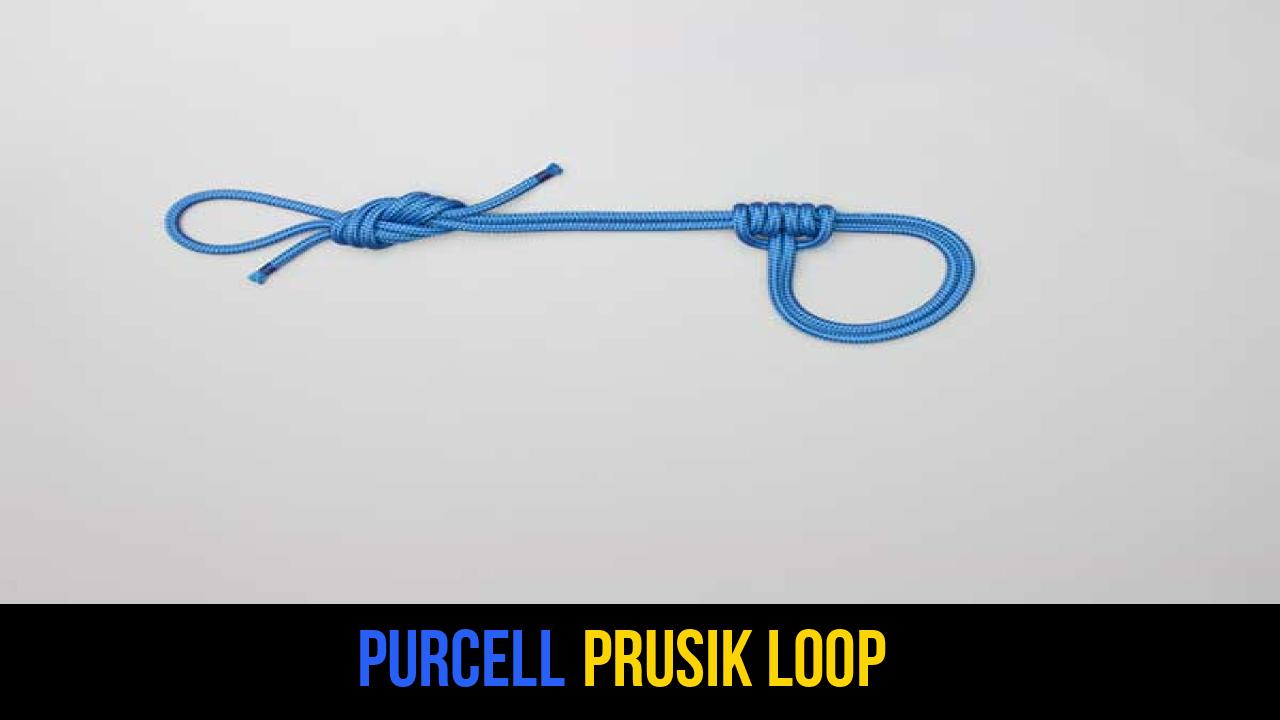
In the world of technical ropework, few configurations offer the blend of versatility, safety, and adjustability found in the Purcell Prusik Loop. Whether you are a seasoned search and rescue (SAR) professional, a mountaineer, or a dedicated rock climber, understanding how to construct and utilize this loop is a fundamental skill. Unlike fixed-length slings, the Purcell Prusik provides a dynamic, adjustable tether that can be lengthened or shortened under tension—a critical feature when positioning yourself on a cliff face or managing a litter in a rescue operation.
The Purcell Prusik Loop is essentially a specialized application of the friction hitch principle. It transforms a simple length of accessory cord into a sophisticated tool for personal positioning and ascending. Its popularity stems from its ability to absorb a degree of impact force through slight slippage, making it a safer "leash" than static webbing in many vertical environments.
Alternative names for this knot include: Purcell Loop, Adjustable Prusik Tether, and the SAR Adjustable Loop.
What Is a Purcell Prusik Loop?
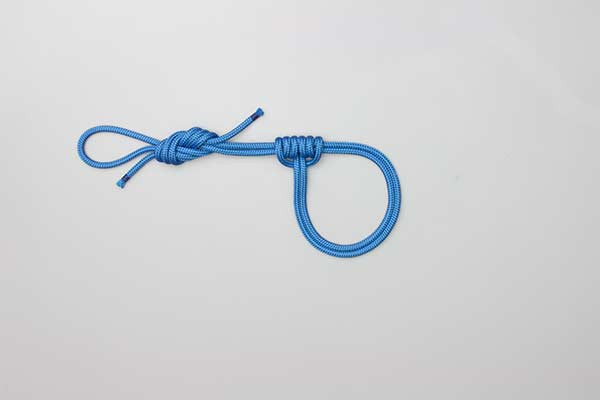
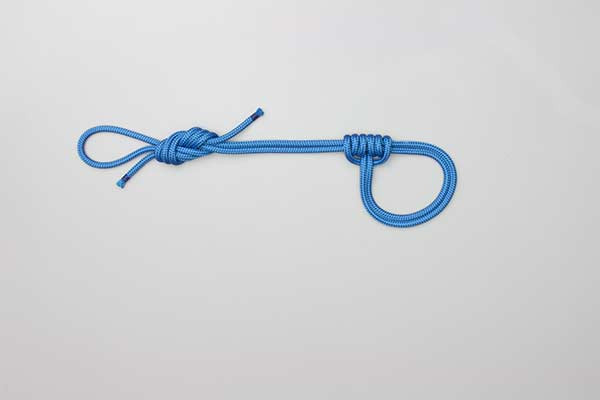
The Purcell Prusik Loop is an adjustable loop made from accessory cord that utilizes a Prusik hitch (a type of friction hitch) wrapped around its own standing part. This creates a "loop within a loop" architecture that allows the user to slide the hitch to adjust the overall length of the tether.
Practical Uses and Applications
- Personal Anchor System (PAS): Climbers use it to clip into anchors. Its adjustability allows the climber to stay comfortably positioned without being too far from the gear.
- Ascending Ropes: In an emergency or during a planned ascent, a pair of Purcell Prusiks can function as foot stirrups, allowing a climber to "walk" up a fixed line.
- Search and Rescue (SAR): This is the gold standard for litter attendants. It allows rescuers to adjust their position relative to the patient as the angle of the terrain changes.
- Load Distribution: It is often used in complex rigging systems to balance loads between multiple anchor points.
The core advantage of the Purcell Prusik knot over a standard daisy chain or a sewn sling is its energy-absorbing capability. Because the friction hitch can slip slightly under high impact, it reduces the peak force transmitted to the anchor and the climber’s harness, providing a vital margin of safety.
Materials and Tools Needed
To tie a reliable Purcell Prusik Loop, you must choose the right materials. Using the wrong type of cord can result in a hitch that either fails to grab or becomes impossible to slide.
Cord Selection
- Diameter: Most professionals prefer 6mm or 7mm nylon accessory cord. 7mm is the standard for rescue work due to its higher breaking strength, while 6mm is often used by recreational climbers to save weight.
- Length: You typically need about 10 to 12 feet (3 to 3.5 meters) of cord to create a finished loop that has a functional range of adjustment.
- Material: Nylon is preferred over high-modulus fibers like Dyneema or Spectra for this specific application. Nylon has better "bite" and can handle the heat generated by friction much better than low-melting-point synthetics.
Necessary Tools
- Sharp Knife or Cord Cutter: For cutting the cord to length.
- Lighter: To seal the ends of the nylon cord to prevent fraying.
- Locking Carabiner: To attach the finished loop to your harness or anchor.
How to Tie a Purcell Prusik Loop?
Constructing this loop requires precision to ensure the friction hitch functions correctly. Follow these steps exactly as outlined to ensure a secure and functional tether.
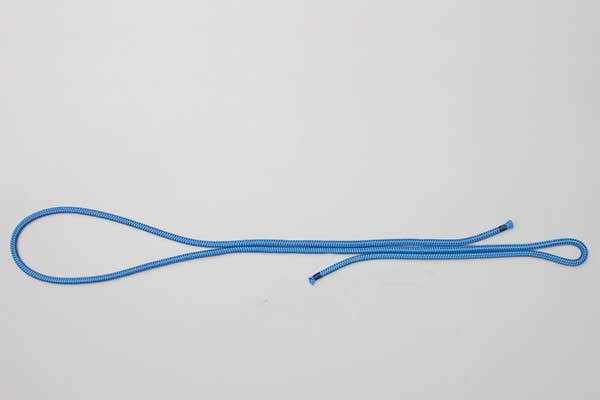
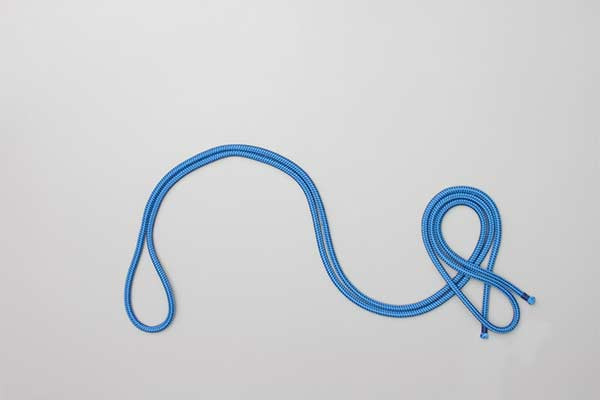
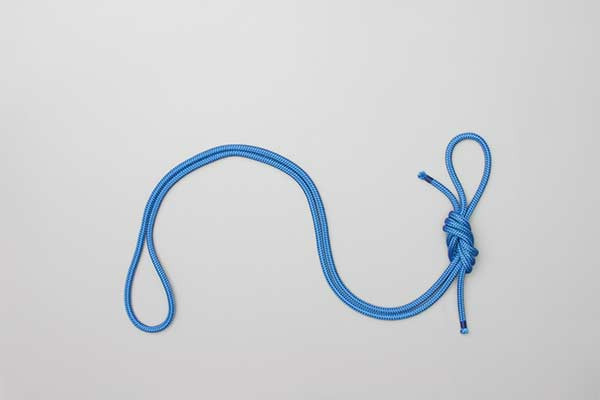
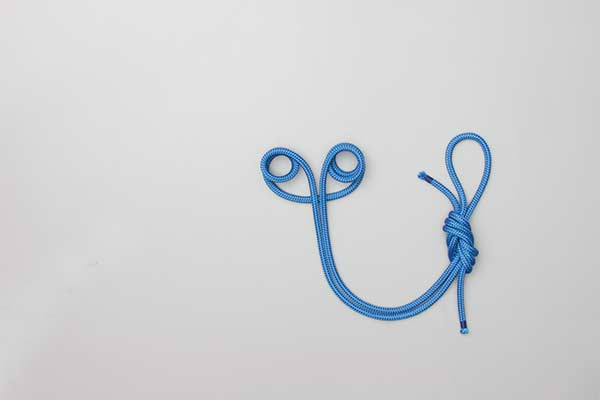
- Lay the rope out to form two loops with the ends overlapping.
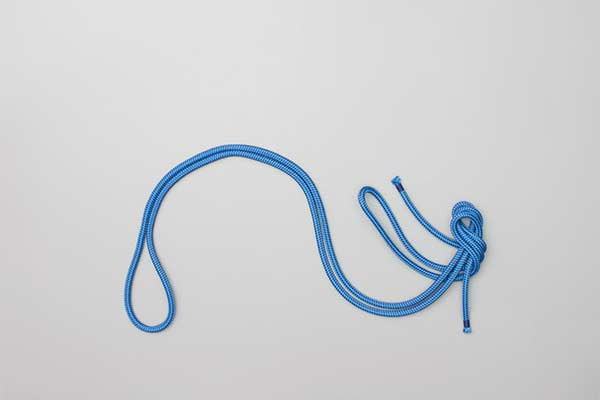
- Use the overlapping section to tie a Figure 8 knot.
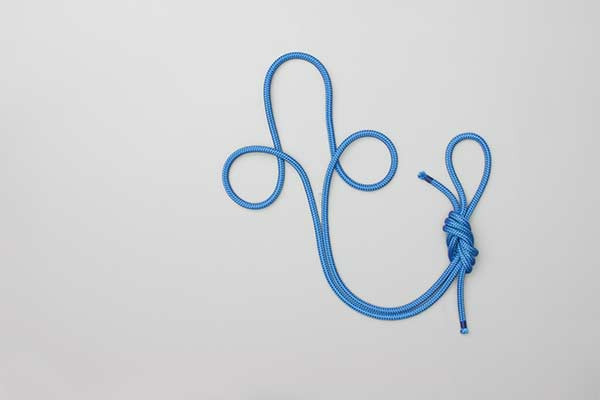
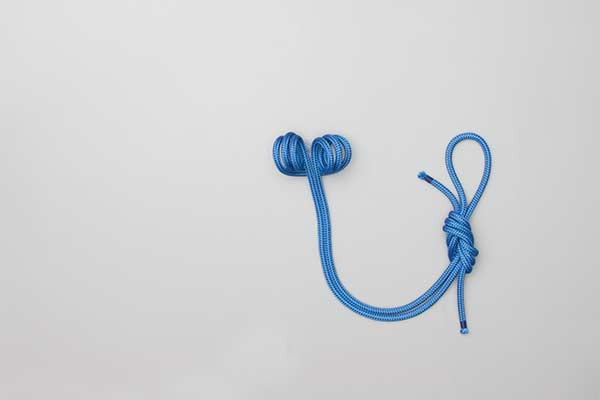
- Twist the long loop to form a pair of three-turn coils.
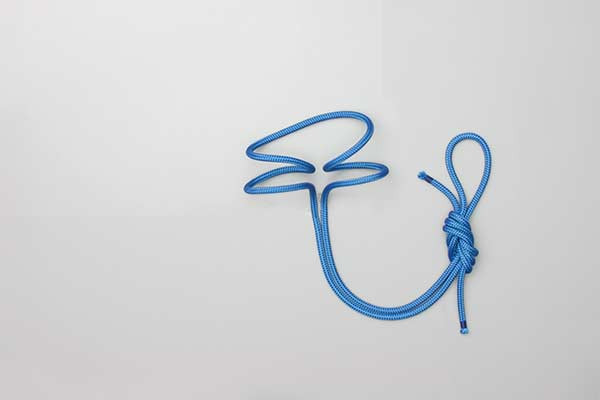
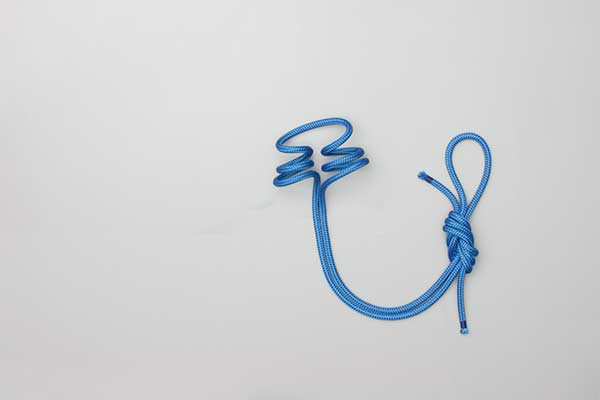
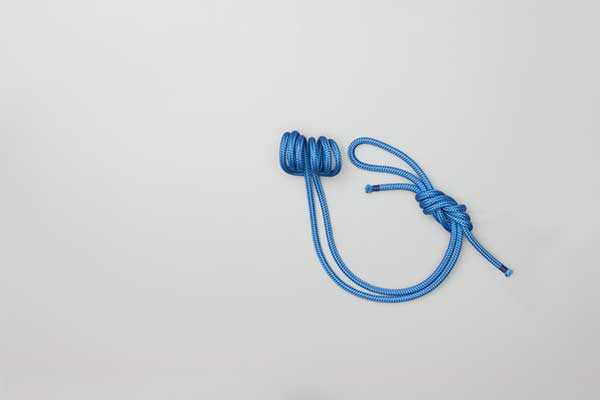
- Position these coils to form a tube.
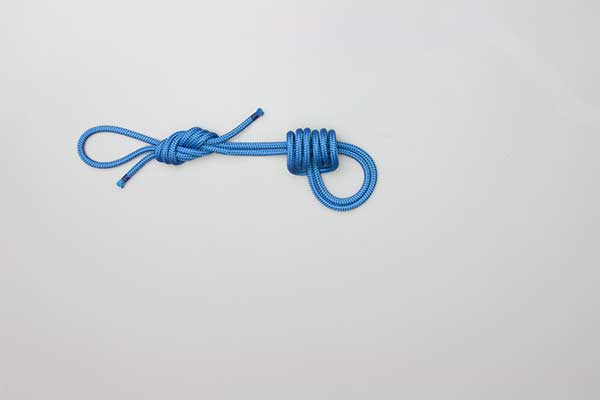
- Pass the short loop and the Figure 8 Knot through the tube.
- Tighten the tube and adjust the length.
Pro Tip: After completing step 6, ensure you "set" the knot by pulling firmly on the loops. The Prusik hitch should be dressed neatly, with all coils parallel and no overlapping strands within the friction hitch itself.
Common Mistakes to Avoid
Even experienced riggers can make errors when tying outdoor rope techniques. When it comes to the Purcell Prusik Loop, safety is paramount.
1. Incorrect Cord Diameter
If the cord used to tie the loop is too thick relative to the "standing" part it wraps around, it may not provide enough friction to hold a load. Always ensure you are using high-quality accessory cord designed for climbing.
2. Failure to Dress the Knot
A "sloppy" knot is a dangerous knot. If the three-turn coils (the tube) are not dressed flat and tight, the hitch might slip unexpectedly or jam so tightly that it cannot be adjusted.
3. Using the Wrong Material
Avoid using "utility cord" from hardware stores. These cords often have polyester sheaths that are too slick for friction hitches, or cores that lack the necessary tensile strength for life-safety applications.
4. Forgetting the "Set"
Before heading into a vertical environment, always weight the Purcell Prusik Loop at ground level. This "sets" the friction hitch and ensures it will grab when you need it to.
Related Knots and Splicing
Understanding the Purcell Prusik Loop is easier when you recognize the related rope knots that form its foundation.
- Standard Prusik Knot: The classic friction hitch used for ascending and hauling; it serves as the "engine" of the Purcell system.
- Figure 8 on a Bight: A core climbing knot used to create a secure, non-slip loop at the end of a rope or cord.
- Klemheist Knot: A friction hitch that is easier to slide than a Prusik but typically works in only one direction.
- Autoblock (French Prusik): A simple friction wrap used primarily as a backup while rappelling; it is easy to release under load.
- Double Fisherman’s Knot: While not used in the Purcell (which uses a Figure 8), this is the standard way to join two ends of a cord to form a permanent loop.
Final Words
The Purcell Prusik Loop is more than just a knot; it is a versatile piece of safety equipment that you can carry in your pocket. Its ability to provide an adjustable, energy-absorbing connection makes it an indispensable tool for anyone involved in outdoor rope techniques.
By mastering the steps—laying out the loops, securing the Figure 8, and carefully forming the three-turn coils—you gain a level of control over your vertical environment that fixed slings simply cannot provide. Whether you are adjusting your position at a hanging belay or rigging a complex rescue system, the Purcell Prusik stands as a testament to the elegance and utility of traditional ropework.
Always remember: practice tying the Purcell Prusik knot in a controlled environment before relying on it in the field. Safety in the outdoors is built on a foundation of repetitive practice and technical mastery. Keep your cords in good condition, inspect your knots before every use, and always double-check your "tube" for proper friction. Happy climbing!
