
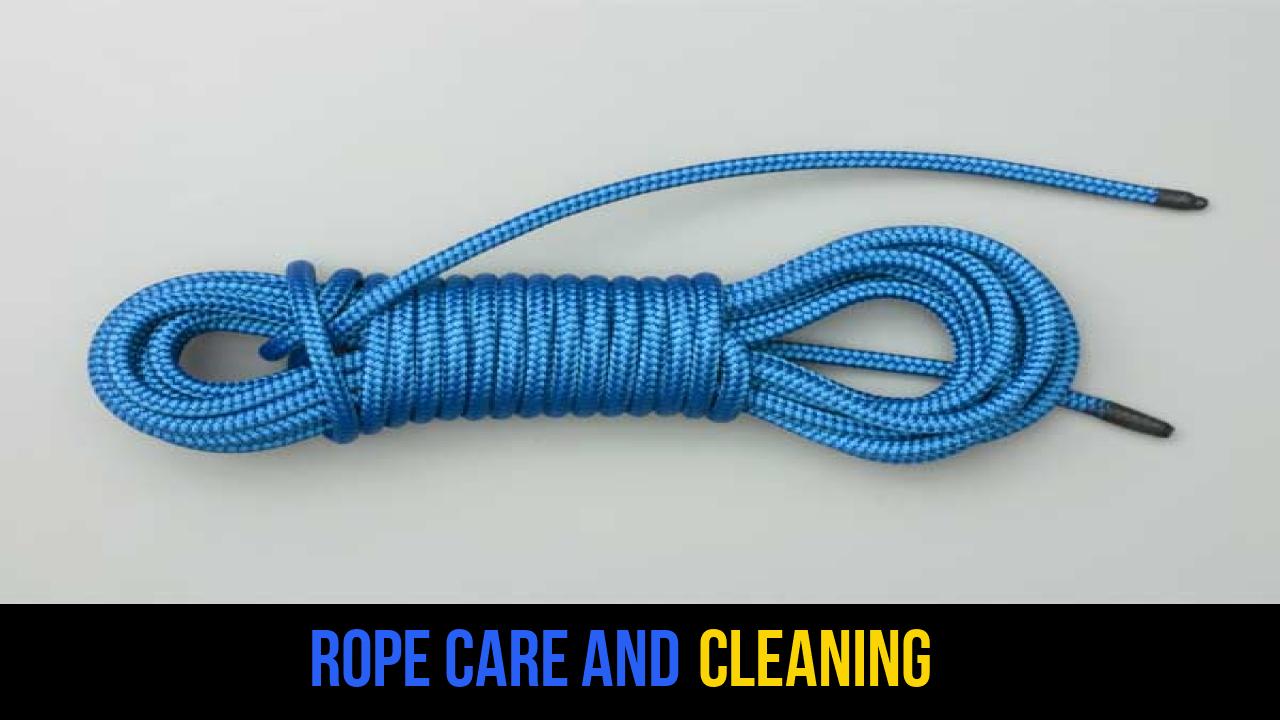
In the world of climbing, sailing, arboriculture, and search-and-rescue, your rope is more than just a piece of equipment—it is a lifeline. Whether you are practicing complex rope knots or engaging in high-stakes outdoor rope techniques, the integrity of your cordage determines the safety of your operation. However, even the highest-quality kernmantle or twisted nylon ropes will fail prematurely if they are neglected.
Rope Care and Cleaning is the fundamental practice of maintaining your lines to ensure they remain supple, strong, and reliable. Dirt, salt, and UV rays are the silent enemies of fiber integrity. Without a dedicated maintenance routine, grit can work its way into the core of the rope, acting like tiny saws that cut through the internal filaments under tension. This guide will walk you through the professional standards of gear upkeep, ensuring your equipment stays in peak condition for years to come.
Alternative names for this practice include: Rope Maintenance, Cordage Upkeep, Line Management, and Gear Refurbishment.
What Is Rope Care and Cleaning?
Rope Care and Cleaning refers to the systematic process of inspecting, washing, drying, and storing ropes used in technical and recreational applications. It is not merely a cosmetic concern; it is a critical safety protocol.
Practical Uses
- Climbing and Mountaineering: Removing aluminum oxide and dirt that can cause friction heat and wear on carabiners and the rope sheath.
- Sailing and Marine Work: Rinsing out salt crystals that can stiffen the rope and cause internal abrasion.
- Rescue Operations: Ensuring that rescue lines are free of contaminants that could compromise their load-bearing capacity.
- General Utility: Extending the life of work ropes used in construction or landscaping by preventing rot and mildew.
By mastering these outdoor rope techniques, you ensure that every Rope Care and Cleaning knot or hitch you tie is biting into a clean, structurally sound surface, providing the maximum possible friction and security.
Materials and Tools Needed
Before you begin the cleaning process, you must gather the right tools. Using the wrong chemicals can lead to "invisible" damage, where the rope looks fine but has lost its tensile strength.
Recommended Supplies:
- Mild Detergent: Use a specific rope wash or a mild, non-detergent soap (like Woolite or Dr. Bronner’s). Avoid bleach, strong alkalis, or acidic cleaners.
- Rope Brush: A specialized cylindrical brush that slides over the rope to scrub the sheath effectively.
- Large Tub or Front-Loading Washing Machine: A bathtub or a large plastic bin is ideal. If using a machine, it must be a front-loader without an agitator to prevent tangling and mechanical damage.
- Daisy Chain Bag (Optional): A mesh bag to keep the rope contained if machine washing.
- Drying Area: A cool, dry, shaded space with good airflow.
Rope Types and Considerations:
- Dynamic Ropes: Require gentle handling to maintain their elasticity.
- Static Ropes: Often thicker and more rugged, but still susceptible to internal grit.
- Natural Fibers: (Like Manila or Hemp) Require specialized care as they are prone to rot if stored damp.
How to tying Rope Care and Cleaning?
Following the proper procedure for storing and maintaining your gear is essential for safety. Here are the steps as outlined by the technical standards:
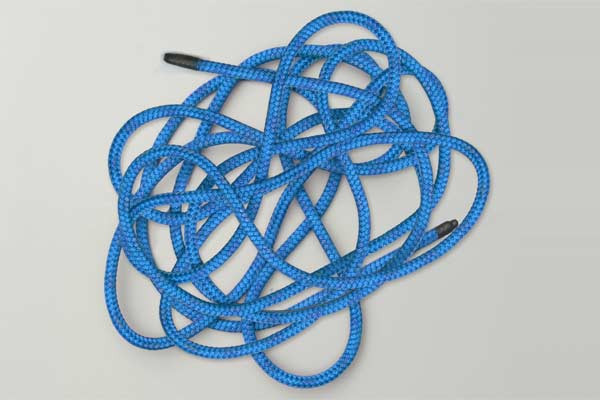
- Rope is all too often left in a tangle on the ground which is far from the safest way to store it and usually makes it hard to use.
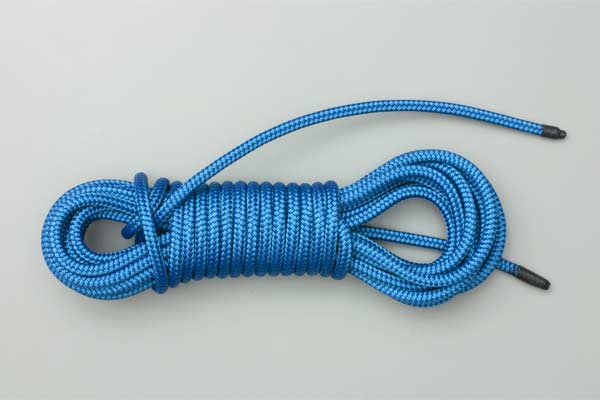
- Rope should be kept neatly coiled, off the ground, and stored appropriately so that it can be used free of tangles without delay.
Common Mistakes to Avoid
Even seasoned professionals can make errors when it comes to Rope Care and Cleaning. Avoiding these pitfalls will significantly extend the service life of your gear.
1. Exposure to Direct Sunlight
While it is tempting to dry a wet rope in the sun, UV radiation is one of the primary causes of synthetic fiber degradation. Always air-dry your ropes in a shaded, well-ventilated area.
2. Using Harsh Chemicals
Never allow your rope to come into contact with battery acid, bleach, or solvents. Even the vapors from these substances can weaken nylon and polyester fibers. If you suspect chemical contamination, the rope should be retired immediately.
3. Stepping on the Rope
This is a cardinal sin in the climbing and rescue community. Stepping on a rope grinds dirt and sharp silica particles through the sheath and into the core. These particles then act as abrasives from the inside out.
4. High-Heat Drying
Never put your rope in a mechanical dryer or near a space heater. High heat can shrink the fibers or even melt the core, destroying the rope’s dynamic properties.
Related Knots and Splicing
To complement your knowledge of Rope Care and Cleaning, you should be familiar with how to manage the rope ends and storage configurations.
- The Butterfly Coil: A superior method for coiling rope that prevents kinks and allows for easy transport over the shoulders.
- Whipping: A technique using small twine to bind the ends of a rope, preventing the strands from unravelling or fraying.
- The Chain Sinnet (Daisy Chain): A method of shortening a long rope for storage or washing that prevents tangles while remaining easy to undo.
- Mountaineer’s Coil: A traditional method for coiling shorter lengths of rope, keeping the bundle tight and manageable for quick deployment.
Final Words
Effective Rope Care and Cleaning is an investment in your safety and your wallet. By moving away from the habit of leaving rope in a "tangle on the ground" and moving toward a disciplined regimen of coiling and off-the-ground storage, you ensure that your gear is always ready for the next adventure.
Remember that a clean rope is easier to handle, holds rope knots more securely, and allows for smoother transitions during technical outdoor rope techniques. Treat your rope with the respect a life-saving tool deserves, and it will serve you reliably through many seasons of use. Always perform a tactile and visual inspection after every cleaning to check for soft spots, nicks, or "furring" of the sheath. If in doubt, retire it—safety always comes first.
