
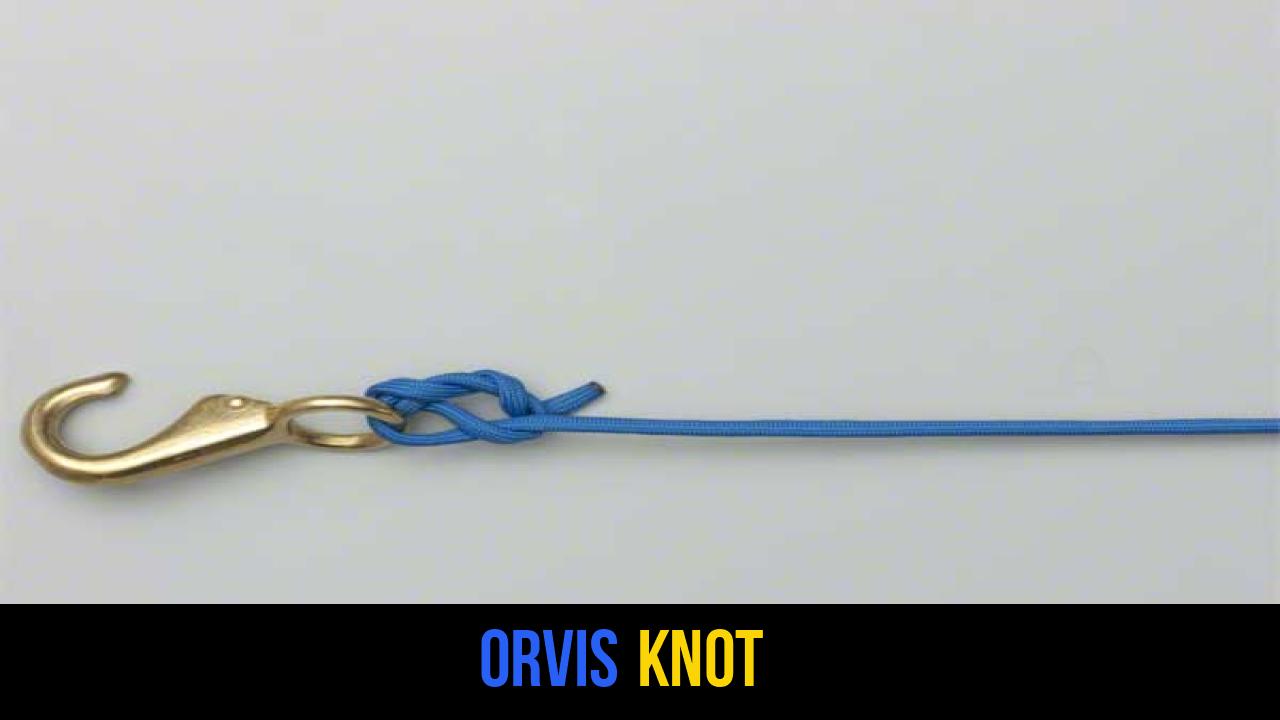
In the world of angling and specialized rope knots, few terminal tackle connections offer the same blend of high breaking strength and low profile as the Orvis Knot. Whether you are a seasoned fly fisherman or a hobbyist exploring outdoor rope techniques, understanding how to secure your line to a hook is the foundation of a successful outing. The Orvis Knot has long been celebrated for its reliability, particularly when using light tippets and leaders where every ounce of knot strength counts.
Originally popularized by the Orvis Company—a titan in the fly-fishing industry—this knot was the result of a search for the "best" fishing knot that could outperform traditional staples like the Improved Clinch or the Palomar in specific scenarios. It is designed to be easy to tie even with cold fingers or in low-light conditions, making it an essential skill for any serious outdoorsman.
Alternative Names: Becker Knot.
What Is an Orvis Knot?
The Orvis Knot is a specialized terminal tackle knot primarily used to attach a fishing line (leader or tippet) to the eye of a hook, lure, or swivel. In the broader context of rope knots, it functions as a "hitch" or a "loop-based" terminal connection. Unlike some bulky knots that can spook fish in clear water, the Orvis Knot is remarkably compact.
Practical Uses and Benefits:
- Fly Fishing: It is the go-to knot for attaching tiny flies to thin tippets.
- Light Tackle Angling: Excellent for fluorocarbon and monofilament lines.
- High Breaking Strength: Laboratory tests often show that the Orvis Knot retains a higher percentage of the line’s original breaking strength compared to the Clinch knot.
- Compact Profile: Its small size allows it to pass through guides easily if necessary and reduces the "splash" or visibility of the connection.
Materials and Tools Needed
While the Orvis Knot is simple to execute, having the right materials ensures the knot seats correctly and maintains its structural integrity.
- Line Type: The knot performs best with monofilament and fluorocarbon lines. While it can be used with some braided lines, extra care must be taken as braids are slicker and may require more wraps.
- Hook or Lure: Any standard eyelet will work.
- Line Nippers or Scissors: Essential for trimming the tag end close to the knot for a clean finish.
- Lubricant: Water or saliva is necessary to prevent friction-based heat damage during the tightening process.
- Steady Hands: Like all outdoor rope techniques, practice is key to ensuring the loops are stacked correctly.
How to Tie Orvis Knot?
To ensure the highest level of security and strength, follow these instructions precisely. This method is optimized for efficiency and reliability in the field.
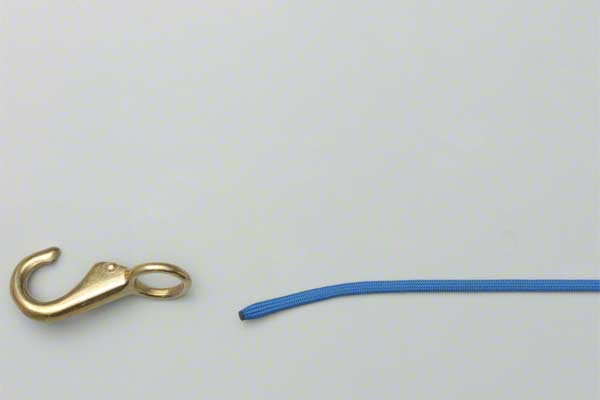
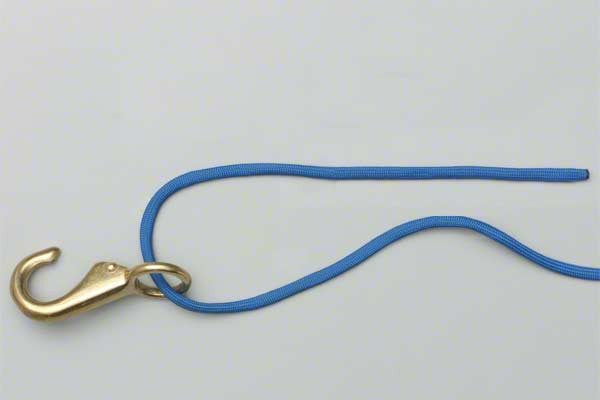
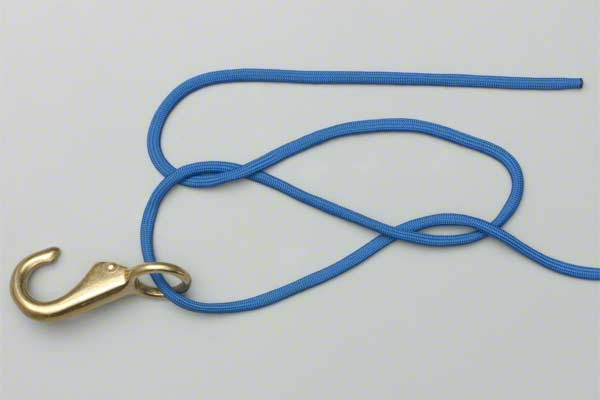
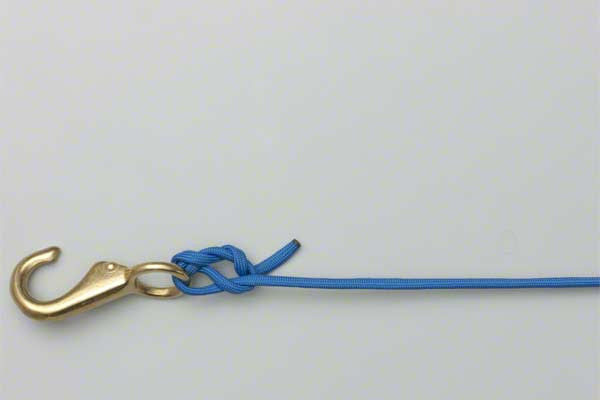
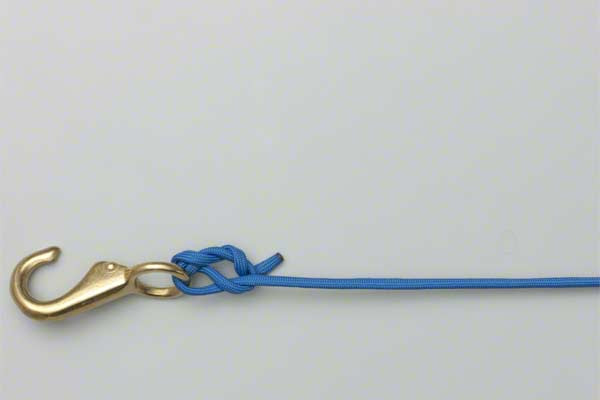
- Pass the line through the eye of the hook.
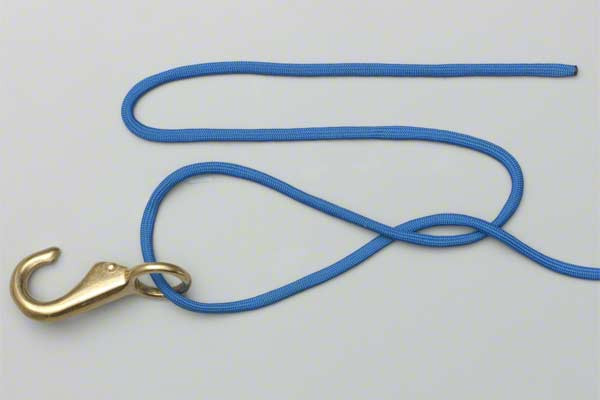
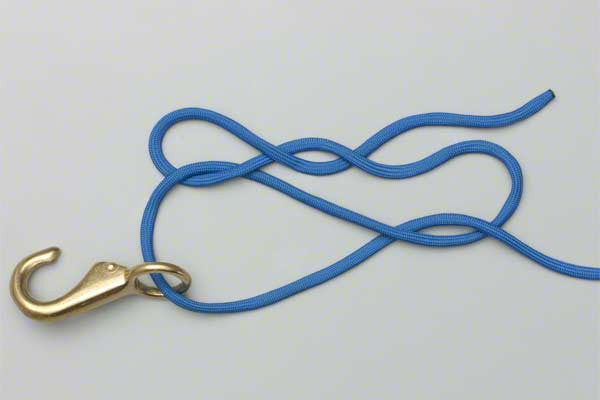
- Pass the tag end around the line, back through the first loop and then back through the second loop.
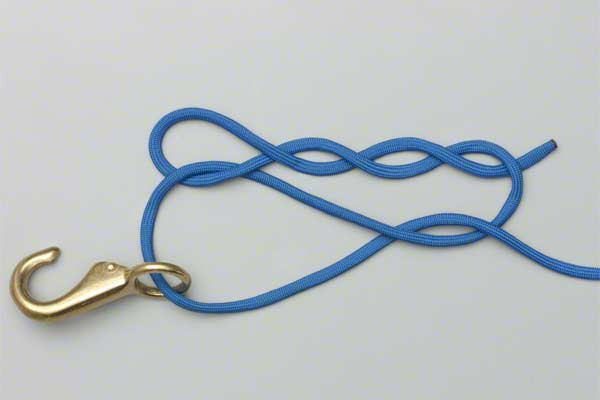
- Pass the tag end through the second loop again.
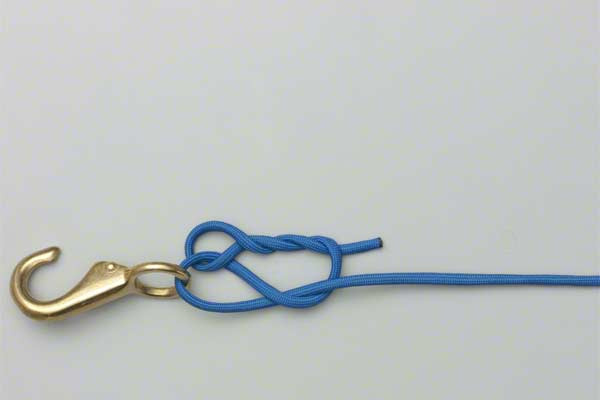
- Lubricate, tighten, and trim the tag end.
The Science of the Orvis Knot: Why It Works
Understanding the physics behind rope knots can help an angler appreciate the Orvis Knot even more. The reason this knot is so effective lies in the "double pass" through the second loop. By passing the tag end through the loop twice, you create a mechanical "lock" that increases the surface area of the line-to-line contact.
In outdoor rope techniques, friction is both your friend and your enemy. Too much friction while tightening can weaken the line (burn it), but enough friction in the finished knot prevents it from slipping. The Orvis Knot balances this perfectly by distributing the load across several turns of the line rather than a single point of failure.
Common Mistakes to Avoid
Even the best rope knots will fail if they are not tied with precision. Here are the most common errors anglers make when tying the Orvis Knot:
- Failure to Lubricate: This is the number one cause of knot failure. Without lubrication (saliva or water), the friction of pulling the line tight creates heat that "scars" the monofilament, significantly reducing its breaking strength.
- Improper Seating: If the loops do not stack neatly against the eye of the hook, the knot can "jump" or reposition itself under tension, leading to a sudden snap.
- Leaving a Long Tag End: While you want to trim the tag end, leaving it too long can snag weeds. Conversely, trimming it too short without a proper "seat" can cause the knot to unravel if the line stretches.
- Using Too Thick of a Line: While the Orvis Knot is versatile, it is exceptionally efficient on lighter lines (2lb to 12lb test). On very heavy saltwater leaders, the bulk of the double-pass can make the knot difficult to close fully.
Related Knots and Splicing
To become a master of outdoor rope techniques, it is helpful to know how the Orvis Knot compares to other common connections.
Improved Clinch Knot
The Improved Clinch is perhaps the most famous fishing knot. It involves wrapping the tag end around the standing line five to seven times before tucking it through the loops. While reliable, it is often bulkier and slightly weaker than the Orvis Knot.
Palomar Knot
The Palomar is widely considered the strongest knot for braided lines. It involves doubling the line before passing it through the eye. It is incredibly strong but uses more line and can be harder to tie with very small flies.
Davy Knot
An ultra-fast knot developed for competitive fly fishing. It is smaller than the Orvis Knot and uses less line, but it generally has a lower breaking strength, making it better for very small fish.
Non-Slip Loop Knot
Unlike the Orvis Knot, which cinches tight against the eye, the Non-Slip Loop Knot leaves a fixed loop. This allows a lure or fly to move more naturally in the water, though it is slightly more complex to tie.
The History of the Orvis Knot
The knot was named after the Orvis Company, but it was actually submitted to them by an angler named Larry Becker during a knot-testing contest in the late 1980s. The Orvis Company was looking for a knot that was easy to teach to beginners but possessed the technical specifications required by professional guides. After rigorous testing against dozens of other rope knots, the "Becker Knot" (subsequently renamed the Orvis Knot) emerged as the winner due to its superior strength-to-size ratio.
Today, it remains a staple in the Orvis fly-fishing schools and is taught as a fundamental skill for anyone entering the sport. Its legacy is a testament to the fact that sometimes, the most effective outdoor rope techniques are those that simplify complex problems.
Final Words
The Orvis Knot is a masterpiece of functional design. In the realm of rope knots, it stands out as a reliable, high-strength connection that is accessible to beginners yet respected by professionals. By mastering this knot, you ensure that your connection to the fish is as strong as possible, allowing you to focus on the thrill of the catch rather than the fear of a broken line.
Whether you are practicing your outdoor rope techniques at home or standing in the middle of a rushing trout stream, the Orvis Knot is a tool that will never let you down. Remember to always test your knots with a firm tug before casting, and always keep your line lubricated for the best results. Happy fishing!
