
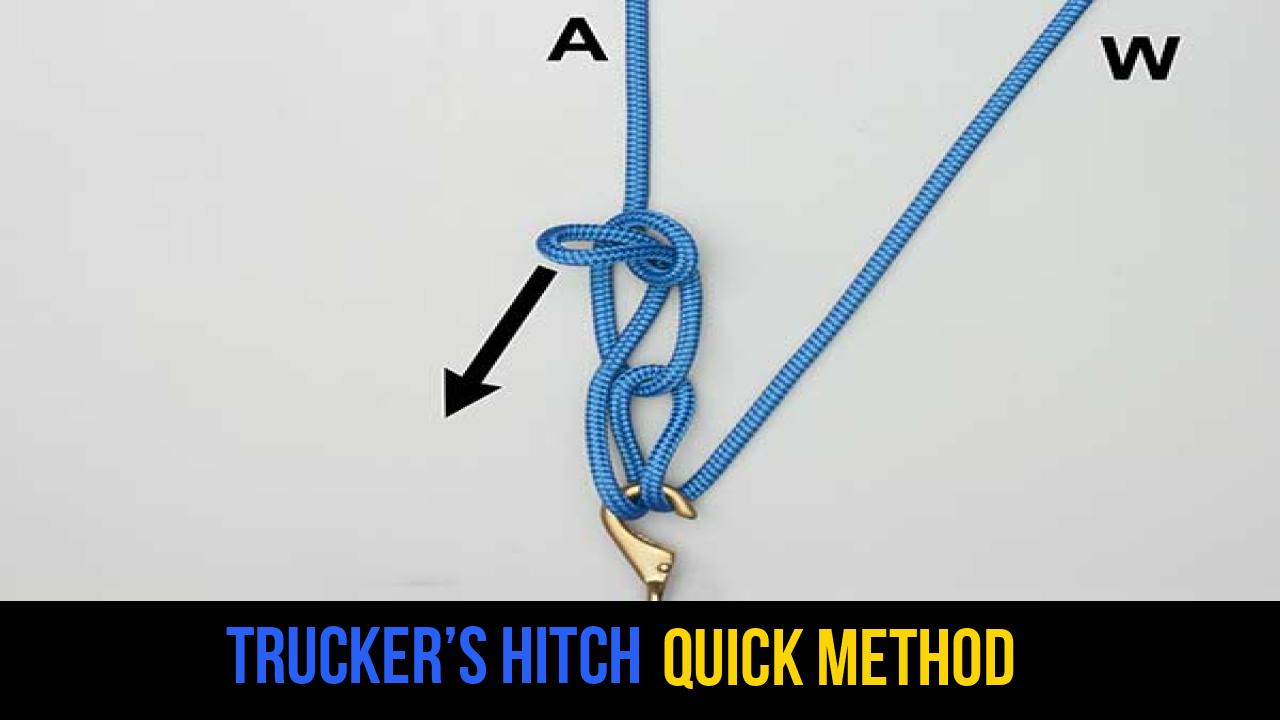
In the world of rope knots and outdoor rope techniques, few maneuvers are as indispensable as the Trucker’s Hitch. Whether you are a professional hauler, a weekend camper, or a dedicated DIY enthusiast, understanding how to apply tension to a line is a fundamental skill. The Trucker’s Hitch Quick Method stands out as a specialized variation designed for speed and efficiency. Unlike more complex versions that require multiple fixed loops, this "quick" version utilizes a slip-loop mechanism that allows for rapid deployment and even faster breakdown.
The primary appeal of the Trucker’s Hitch Quick Method is its ability to create a theoretical 3-to-1 mechanical advantage. This means that for every pound of force you exert, the knot translates that into significantly higher tension on the load. In practical terms, it allows a single person to cinch down a heavy load on a trailer or secure a rain fly over a campsite with professional-grade tautness. Because this version is designed to be released with a simple tug, it is the preferred choice for temporary tie-downs where time is of the essence.
Throughout this guide, we will explore the mechanics, materials, and specific steps required to master this knot. By the end of this article, you will understand not just the "how," but the "why" behind this essential piece of cordage mastery.
Alternative Names: The Lorry Knot, The Haymaker’s Hitch, The Harvester’s Hitch, The Quick-Release Trucker’s Loop.
What Is a Trucker’s Hitch Quick Method?
The Trucker’s Hitch Quick Method is a compound knot system used to secure loads or create high tension in a rope. At its core, it is a combination of a directional slip knot (acting as a pulley) and a series of wraps around an anchor point. What differentiates the "Quick Method" from the standard Trucker’s Hitch is the way the upper loop is formed and how the final tension is held.
Practical Applications
This knot is used extensively across various industries and hobbies:
- Logistics and Transport: Securing bulky items in truck beds or on roof racks where traditional ratcheting straps may be unavailable or unnecessary.
- Sailing and Marine: Tensioning lines for tarps or creating temporary stays.
- Camping and Bushcraft: Pitching large tarps or creating high-tension ridgelines for shelters.
- Arboriculture: Pulling branches or stabilizing young trees.
The "Quick" aspect refers to the use of a non-jamming slip bight. In traditional versions, if the knot is subjected to extreme weight, the loop can tighten so much that it becomes difficult to untie. The Trucker’s Hitch Quick Method avoids this by using a configuration that collapses when the working end is pulled in the opposite direction, making it a favorite for those who need to move fast.
Materials and Tools Needed
To successfully execute the Trucker’s Hitch Quick Method, you need to consider the type of rope and the anchor point you are using. Not all ropes are created equal, and the friction generated by this knot can actually damage certain materials.
Recommended Rope Types
- Static Kernmantle Rope: Ideal for this knot because it has low stretch, ensuring the tension you apply remains consistent.
- Polyester Rope: High resistance to UV rays and minimal stretching make this perfect for outdoor use.
- Paracord (550): Useful for light-duty applications like camping ridgelines, though its elasticity means you may need to re-tighten it.
- Nylon: While strong, nylon stretches significantly when wet, which might require you to adjust the hitch periodically.
Tools and Considerations
- Anchor Point/Hook: You need a solid point to wrap the rope around, such as a truck bed tie-down, a heavy-duty carabiner, or a sturdy tree branch.
- Gloves: Because you are creating high tension, the rope can bite into your hands. Leather work gloves are highly recommended.
- Rope Length: Ensure you have at least 5-10 feet of extra slack beyond your load to account for the loops and the mechanical advantage pull.
How to Tie Trucker’s Hitch Quick Method?
To master the Trucker’s Hitch Quick Method, follow these precise steps. This method focuses on speed and a "pull-to-release" functionality that is essential for efficient workflow.
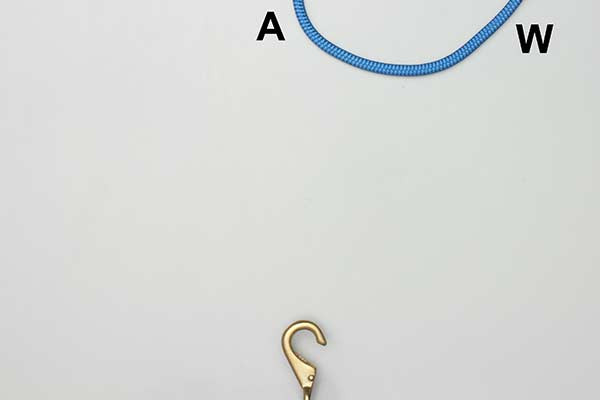
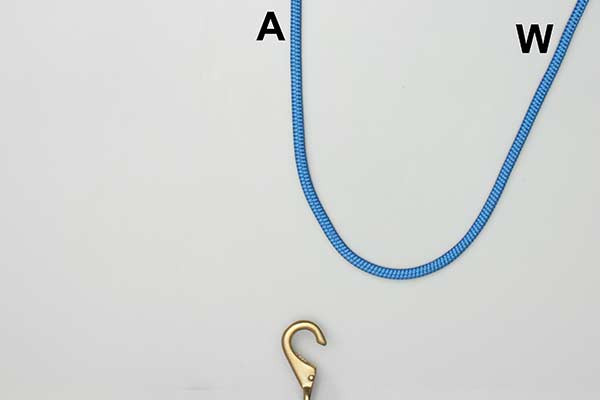
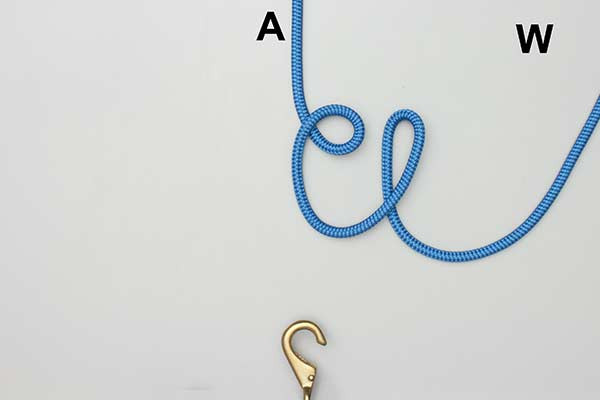
- Pull enough slack. Ensure you have a generous amount of rope to work with beyond the anchor point.
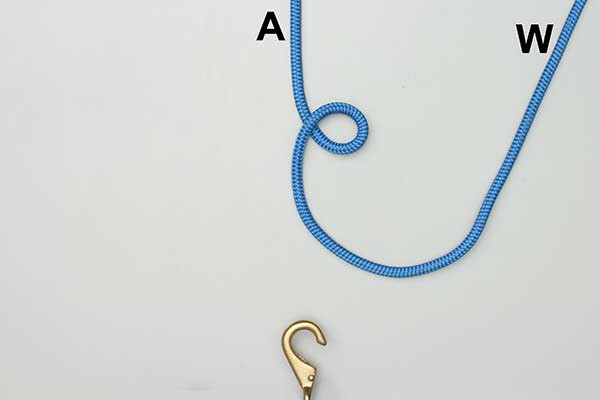
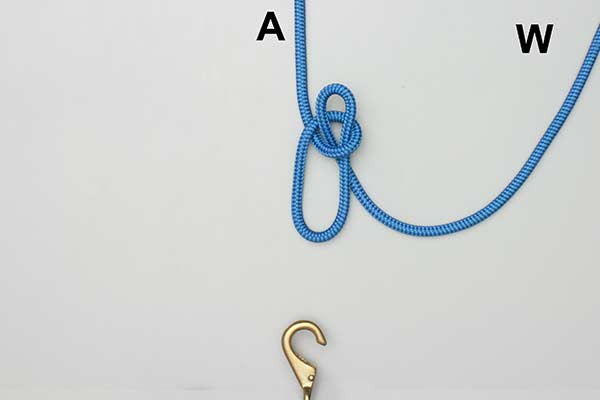
- Make a loop in the Attached part (A). The "Attached part" is the section of the rope leading back to your fixed anchor or the load itself.
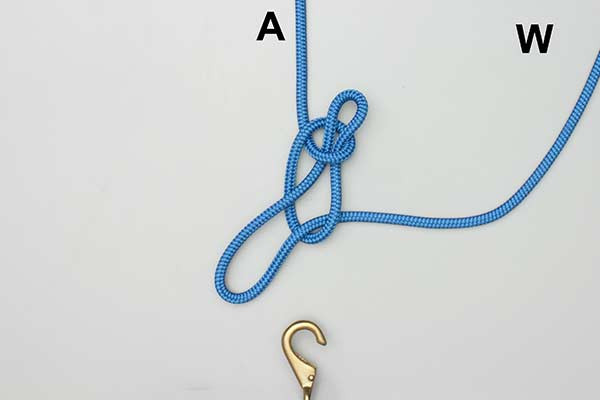
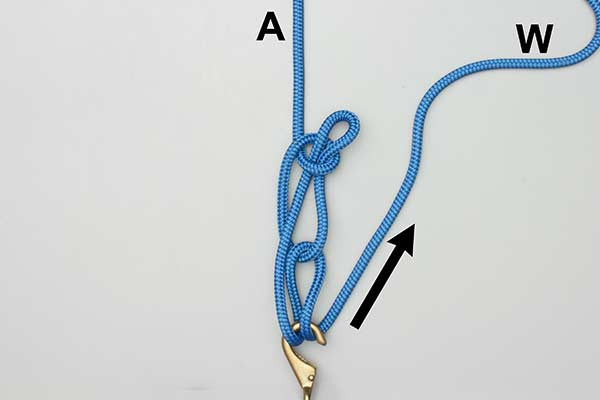
- Make another loop in the Working part (W) and insert it into the first loop to make a hanging bight. This creates the "pulley" mechanism of the knot.
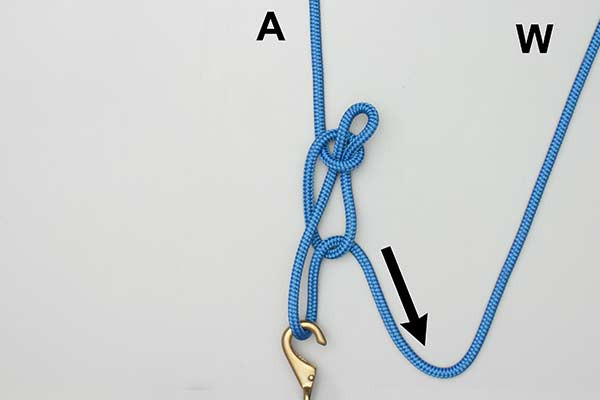
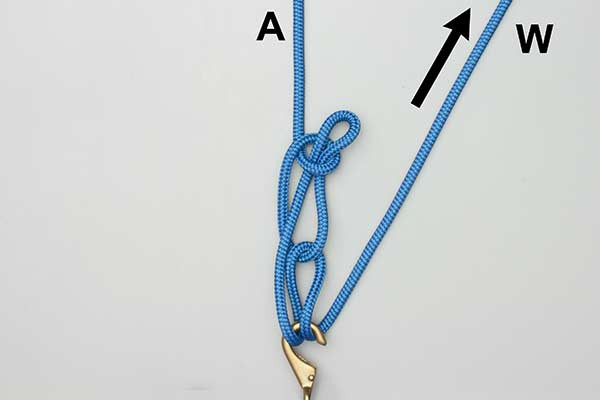
- Tuck the Working part into the bight and around the hook. The "Working part" is the loose end of the rope. Passing it through the bight and then around your anchor (hook) creates the mechanical advantage.
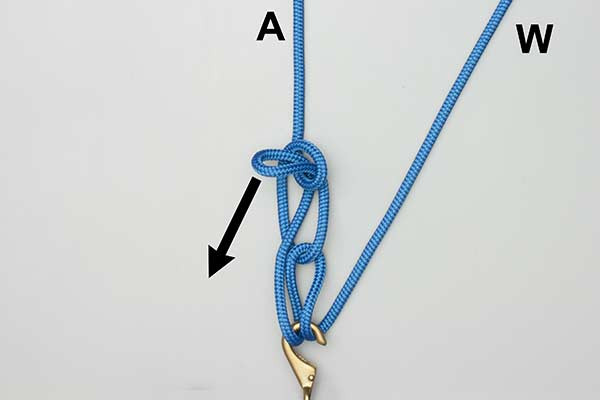
- Tighten the Working part, pass it around the hook, and hold it until pulled tight. Use your body weight to pull the working end toward you, cinching the load down.
- Pull loop to release. Because of the slip-knot nature of this specific method, a firm pull on the correct side of the loop will collapse the hitch instantly.

Common Mistakes to Avoid
Even experienced outdoorsmen can make errors when utilizing outdoor rope techniques. To ensure safety and effectiveness, avoid these common pitfalls:
1. Rope-on-Rope Friction
When you pull the working end through the hanging bight, the rope slides against itself. Under high tension, this creates heat. If you pull too fast or use synthetic ropes like polypropylene, you can actually melt or weaken the fibers. Always tighten with a steady, controlled motion.
2. Using "Slippery" Ropes
Certain high-tech ropes (like those made of Dyneema or Spectra) are incredibly slippery. The Trucker’s Hitch Quick Method relies on a certain amount of internal friction to hold its shape while you are securing the final wraps. If the rope is too slick, the "hanging bight" may collapse prematurely.
3. Forgetting the Safety Hitch
The instruction source describes a quick-release version. While excellent for speed, if the load is critical or will be left unattended, you should always add a couple of Half-Hitches around the tensioned lines to prevent the "pull to release" mechanism from being triggered accidentally by wind or vibration.
4. Incorrect Loop Placement
If the hanging bight is placed too close to the hook, you won’t have enough "travel" to tighten the rope effectively. Position your initial loops far enough back from the anchor to allow for the rope to stretch and tighten.
Related Knots and Splicing
Understanding the Trucker’s Hitch Quick Method is often the gateway to learning other essential rope knots. Here are a few related techniques:
- The Bowline: Often used to create a fixed loop at the start of the Trucker’s Hitch; it is known as the "King of Knots" for its reliability and strength.
- The Taut-Line Hitch: An adjustable friction hitch used on lines under tension; it is ideal for situations where you need to adjust length frequently without untying.
- The Clove Hitch: A simple binding knot used to secure a rope to a cylindrical object; it is frequently used as a temporary start or finish to more complex hitches.
- The Figure-Eight Loop: A very strong, secure loop knot that is easier to untie after heavy loading than a standard overhand loop.
Final Words
The Trucker’s Hitch Quick Method is more than just a way to tie things down; it is a demonstration of basic physics put into practical use. By mastering the "hanging bight" and understanding the interaction between the Attached and Working parts of the rope, you gain the ability to secure almost anything with professional-level tension.
While there are many variations of the Trucker’s Hitch, the Quick Method is prized for its balance of utility and ease of removal. Whether you are securing a ladder to your van or tensioning a clothesline in the backyard, this knot provides a reliable, high-tension solution that won’t leave you struggling with jammed knots at the end of the day.
As with all outdoor rope techniques, practice is key. Grab a length of rope and run through the steps provided above until the muscle memory is locked in. Safety should always be your priority—inspect your ropes for wear and tear, and never use a knot for critical life-safety applications unless you have been professionally trained. With the Trucker’s Hitch Quick Method in your arsenal, you are well-equipped to handle the challenges of the great outdoors.
