
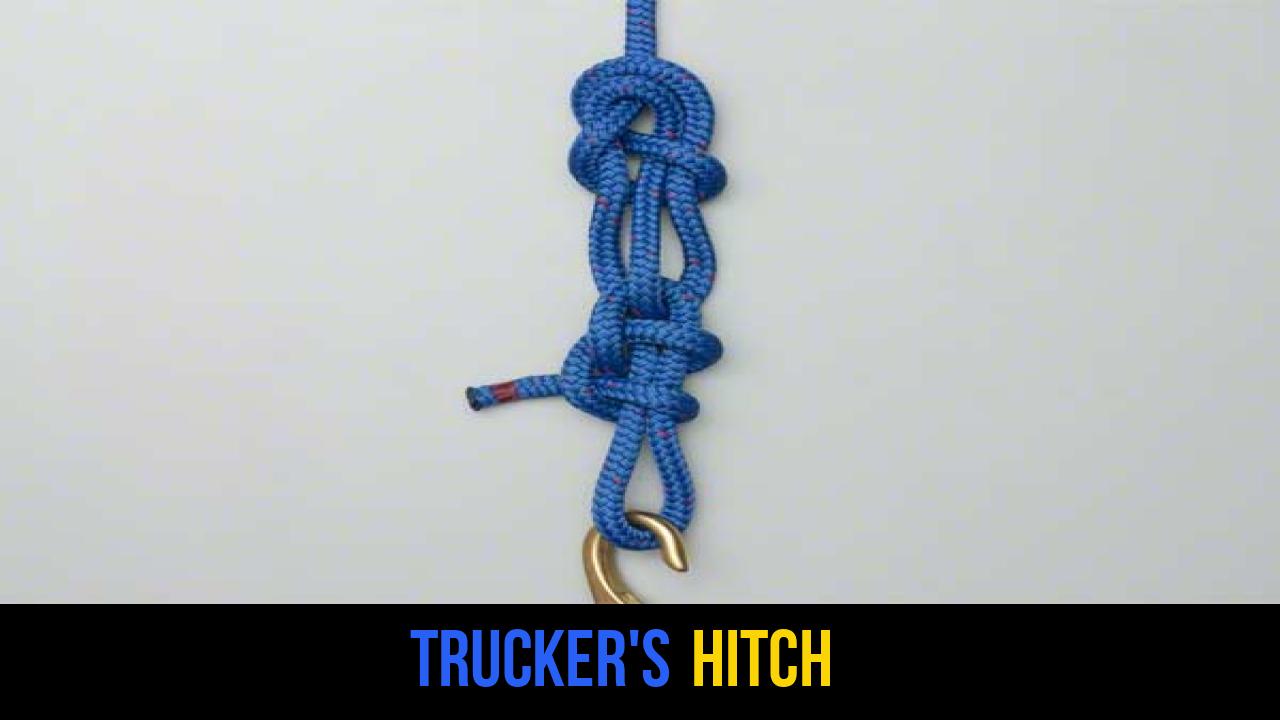
In the world of rope knots, few configurations are as indispensable as the Trucker’s Hitch. Whether you are a professional hauler, an avid camper, or a weekend DIY enthusiast, understanding how to secure a load with precision and tension is a fundamental skill. The Trucker’s Hitch knot is often referred to as a "compound knot" because it utilizes a loop to create a makeshift pulley system, allowing the user to exert significantly more tension on a line than would be possible with a simple pull.
This knot is a staple in outdoor rope techniques, favored for its ability to remain secure under heavy strain while remaining relatively easy to untie once the tension is released. Its versatility spans across industries—from securing kayaks onto roof racks to tensioning clotheslines or stabilizing gear in the back of a pickup truck. In this guide, we will explore the technical nuances of this knot, the materials required to execute it safely, and a precise step-by-step methodology for tying it correctly.
Alternative names for the Trucker’s Hitch include: Lorryman’s Hitch, Wagoner’s Hitch, and the Harvester’s Hitch.
What Is a Trucker’s Hitch?
At its core, the Trucker’s Hitch is a method of creating a 3-to-1 mechanical advantage. By forming a fixed loop in the standing part of the rope and using it as a redirection point (a "pulley"), the person pulling the rope can generate three pounds of tension for every one pound of force applied. This makes it an essential tool for cinching down loads that might otherwise shift during transport.
Practical Uses and Applications
The utility of the Trucker’s Hitch knot extends far beyond the cargo bed of a semi-truck. Its primary applications include:
- Transporting Gear: Securing ladders, lumber, or furniture to vehicle racks.
- Camping and Bushcraft: Tensioning guy-lines for large tarps or heavy canvas tents to ensure they withstand high winds.
- Boating: Tying down canoes or kayaks to trailers or roof blocks.
- Agriculture: Securing hay bales or equipment on trailers where ratcheting straps may not be available.
Unlike a ratchet strap, which can fail if the mechanical components rust or jam, the Trucker’s Hitch relies solely on the integrity of the rope and the skill of the knot-tyer, making it a reliable "fail-safe" technique in survival or remote outdoor scenarios.
Materials and Tools Needed
To successfully tie a Trucker’s Hitch, you must select the right equipment. Not all ropes are created equal, and the high tension generated by this knot can actually damage low-quality cordage.
Recommended Rope Types
- Static Kernmantle Rope: Ideal for load securing because it has very little "stretch." This ensures that once you tension the hitch, the load stays tight.
- Polyester Rope: Highly resistant to UV rays and abrasion, making it perfect for long-distance hauling or outdoor use.
- Nylon Rope: While strong, nylon tends to stretch when wet. If using nylon, you may need to re-tension the hitch periodically.
- Paracord (550 Cord): Useful for light-duty applications like camping tarps, but never use paracord for securing heavy loads on a vehicle.
Tools and Considerations
- Anchor Points: You will need a sturdy hook, rail, or "D-ring" to pass the rope around. Ensure the anchor point is rated for the tension you intend to apply.
- Gloves: Because the Trucker’s Hitch creates significant mechanical advantage, the rope can experience high friction. Wearing leather work gloves protects your hands from "rope burn" during the final cinching process.
How to Tie Trucker’s Hitch?
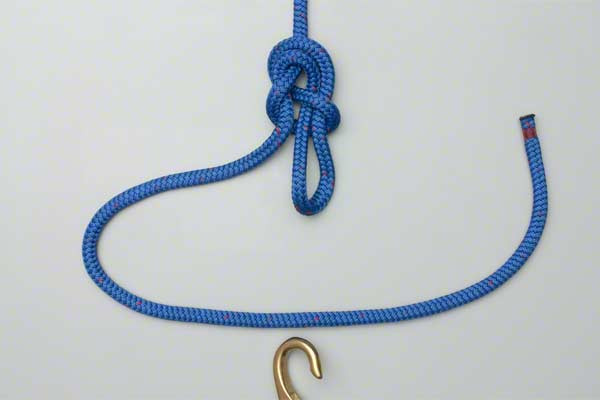
To ensure the highest level of safety and reliability, follow these instructions precisely. This specific variation utilizes a Directional Figure 8 Knot, which is known for being more stable and easier to untie after being subjected to heavy loads than a standard slip knot.
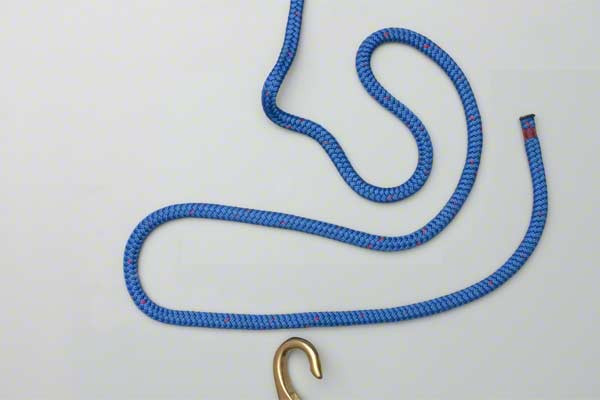
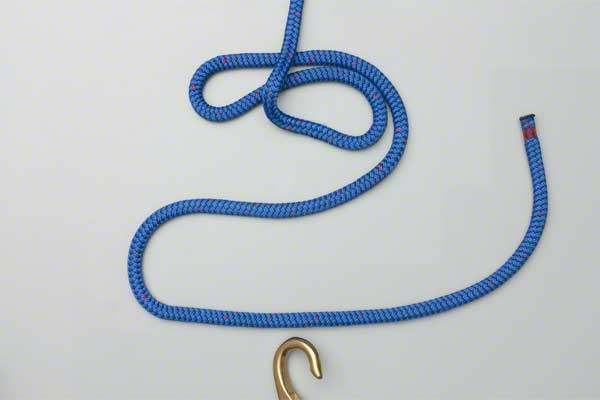
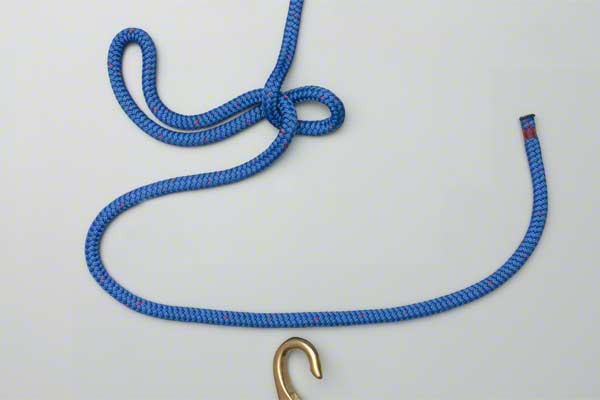
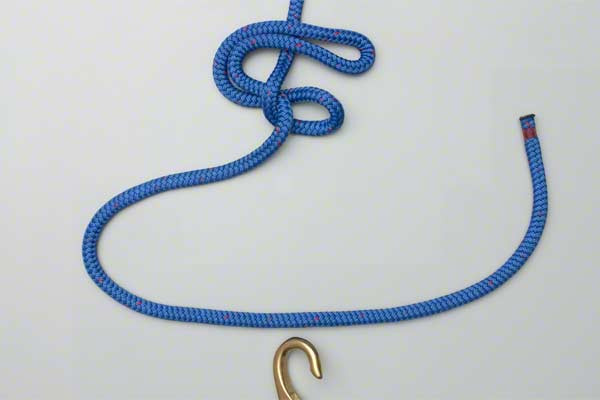
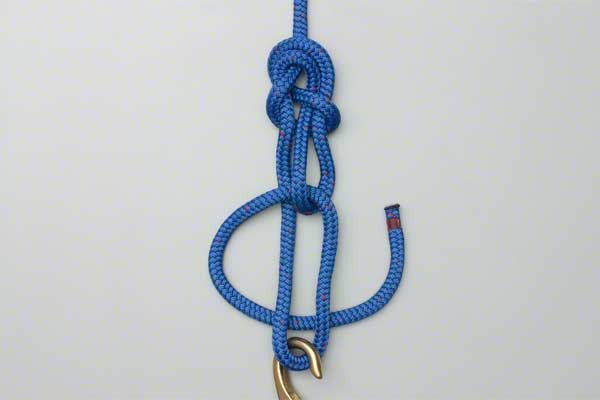
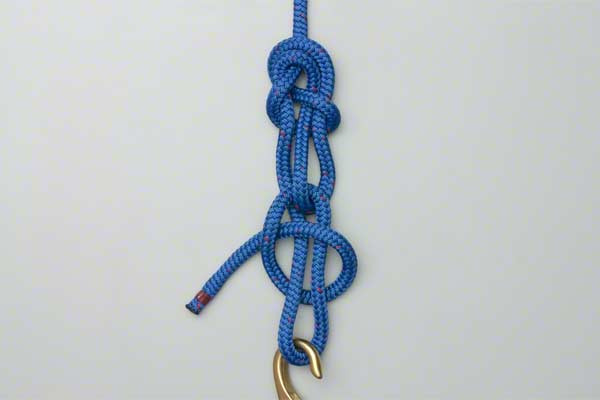
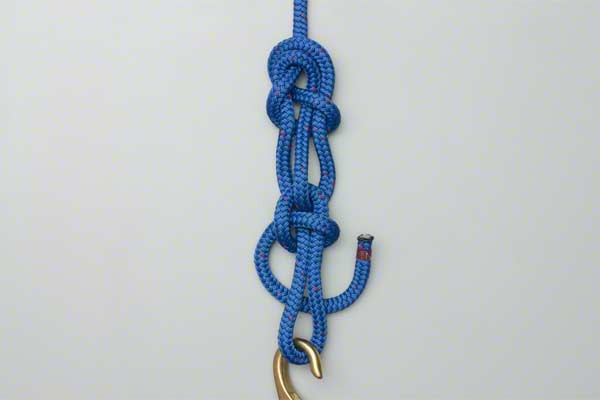
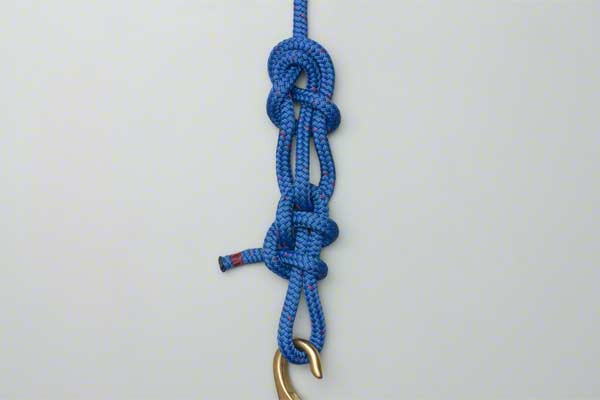
- Form a bight in the standing end and use it to tie a Directional Figure 8 Knot.
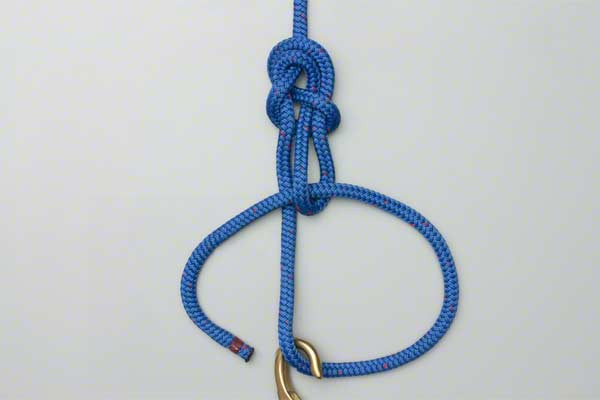
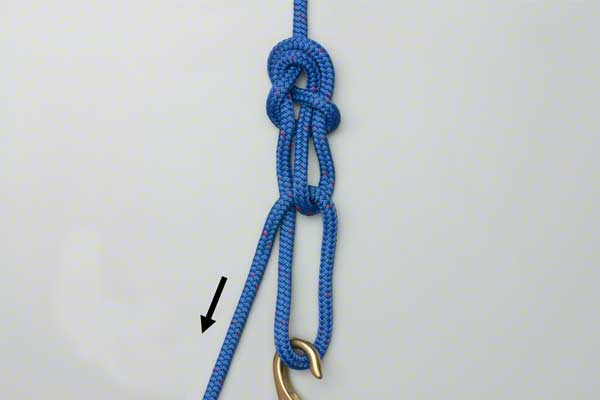
- Pass the tail round the hook below and through the Directional Figure 8 Loop, and pull tight.
- Complete the knot with two Half Hitches below the loop.
Common Mistakes to Avoid
While the Trucker’s Hitch is incredibly powerful, errors in execution can lead to equipment failure or safety hazards. Pay close attention to these common pitfalls:
1. Using the Wrong Loop Knot
Many beginners use a simple slip knot for the "pulley" loop. While functional, a slip knot can collapse or "capsize" under extreme tension, making it nearly impossible to untie later. Using the Directional Figure 8 Knot as specified above ensures the loop remains open and manageable even after heavy loading.
2. Over-Tensioning
Because of the 3-to-1 mechanical advantage, it is surprisingly easy to crush the cargo you are trying to secure. If you are tying down a plastic kayak or a thin-walled cardboard box, apply tension gradually to avoid structural damage to your items.
3. Friction Burn
When you pass the tail through the loop and pull tight, the rope rubs against itself. If pulled too quickly, the heat generated by friction can melt synthetic fibers (like polypropylene). Always pull with a steady, controlled motion.
4. Ignoring the "Tail"
If the remaining tail of the rope is not properly secured with the two Half Hitches, the entire system can vibrate loose during transit. Always ensure your finishing hitches are snug against the base of the loop.
Related Knots and Splicing
Understanding the Trucker’s Hitch is often a gateway to learning other essential rope knots. Here are a few related techniques that every outdoor specialist should master:
- The Bowline: Often called the "King of Knots," the Bowline creates a fixed loop at the end of a rope that will not slip or bind, making it perfect for the initial anchor point of your hitch.
- The Taut-Line Hitch: An adjustable friction hitch used on lines under tension. It is useful for minor adjustments to guy-lines without untying the entire system.
- The Clove Hitch: A quick-to-tie knot used for securing a rope to a cylindrical object like a post or a spar; often used as a temporary starting point.
- The Figure 8 Follow-Through: A foundational climbing knot used to tie a rope directly into a harness or a fixed anchor with maximum security.
Final Words
The Trucker’s Hitch is more than just a knot; it is a fundamental piece of engineering that you carry in your pocket. By mastering the use of the Directional Figure 8 Knot as the heart of this system, you ensure that your loads are not only held with maximum tension but can also be released with ease.
In the realm of outdoor rope techniques, safety and reliability are paramount. Whether you are professional in the logistics industry or a hobbyist exploring the wilderness, the ability to turn a simple piece of cordage into a powerful tensioning tool is a skill that will serve you a lifetime. Remember to always inspect your rope for wear and tear before use, choose the appropriate material for the task at hand, and practice your hitches until they become second nature. With the Trucker’s Hitch knot in your repertoire, you are ready to tackle any securing challenge with confidence and expertise.
