
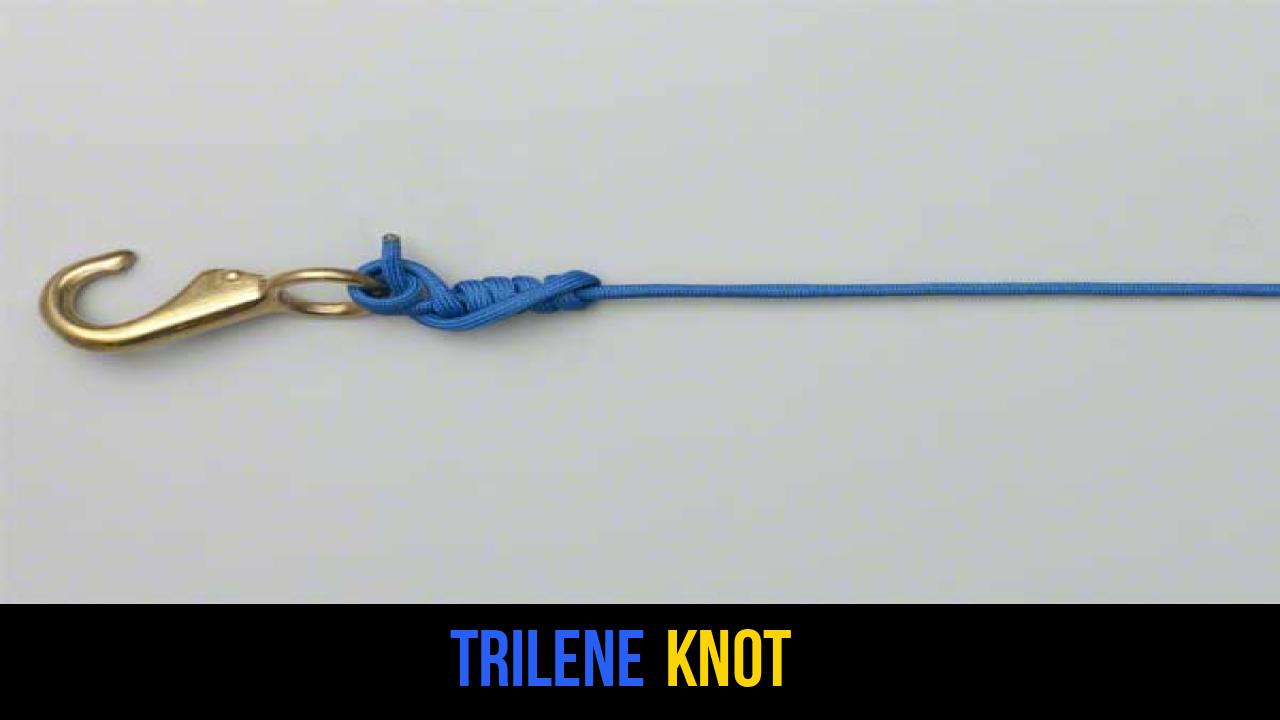
In the world of outdoor rope techniques, few connections are as revered for their reliability and break-strength as the Trilene Knot. Whether you are a professional angler competing on the world stage or an outdoor enthusiast securing gear for a weekend trek, understanding the mechanics of high-performance rope knots is a fundamental skill. The Trilene Knot stands out because it addresses one of the most common failure points in knot-tying: the "eye" of the connection.
Originally developed by the researchers at Berkley to maximize the performance of their Trilene brand monofilament, this knot has transcended its commercial origins to become a staple in the kits of experts globally. It is essentially a reinforced version of the standard Clinch knot, designed to prevent slippage and distribute tension more evenly across the line. In this comprehensive guide, we will explore the nuances of this knot, the materials required to execute it perfectly, and provide a strict step-by-step tutorial to ensure your gear stays connected when it matters most.
Alternative Names: The Berkley Knot, Two-Turn Improved Clinch Knot, Double-Eye Clinch Knot.
What Is a Trilene Knot?
The Trilene Knot is a terminal tackle knot designed to secure a line (typically monofilament or fluorocarbon) to a hook, lure, or swivel. Its defining characteristic is the double wrap through the eye of the hook. While many rope knots rely on a single point of contact with the hardware, the Trilene Knot creates a protective "cushion" by passing the line through the eye twice.
Practical Uses and Advantages
The primary reason professionals choose the Trilene Knot over the standard Improved Clinch is tensile strength retention. In laboratory tests, the Trilene Knot consistently maintains nearly 100% of the line’s original breaking strength.
- Fishing Applications: It is the "gold standard" for attaching lures, jigs, and bait hooks. Because it is so resistant to slipping, it is particularly effective when using thin-diameter lines that might otherwise "saw" through themselves under heavy pressure.
- Light Rigging: While not used for heavy-duty climbing, the principles of the Trilene Knot—doubling the contact point—are often utilized in outdoor rope techniques for securing lightweight gear to carabiners or small rings where friction is necessary to prevent sliding.
- Durability: The double-loop design protects the line from the sharp edges often found on the inside of metal eyes, significantly reducing the risk of line shear.
Materials and Tools Needed
To tie a perfect Trilene Knot, you need more than just a piece of string. The quality of your materials directly impacts the knot’s performance.
1. The Line
- Monofilament: This is the ideal material for a Trilene Knot. Monofilament has a degree of "stretch" and "memory" that allows the coils to seat perfectly against one another.
- Fluorocarbon: This knot works exceptionally well with fluorocarbon, provided you are meticulous about lubrication. Fluorocarbon is more susceptible to heat damage from friction, making the "lubricate" step vital.
- Braided Line: While possible, many experts prefer a Palomar knot for braids. However, if using the Trilene with braid, you may need to increase the number of wraps to prevent slippage.
2. The Hardware
- Hooks and Lures: Ensure the eye of the hook is clean and free of burrs.
- Swivels and Snaps: The Trilene Knot is excellent for terminal tackle that undergoes constant rotation.
3. Essential Tools
- Line Cutters or Scissors: A clean cut on the tag end is essential for a professional finish.
- Lubricant: In most outdoor scenarios, water or saliva is used to reduce friction during the tightening process.
How to Tie Trilene Knot?
Precision is the hallmark of professional rope knots. Follow these instructions exactly to ensure the integrity of your connection.
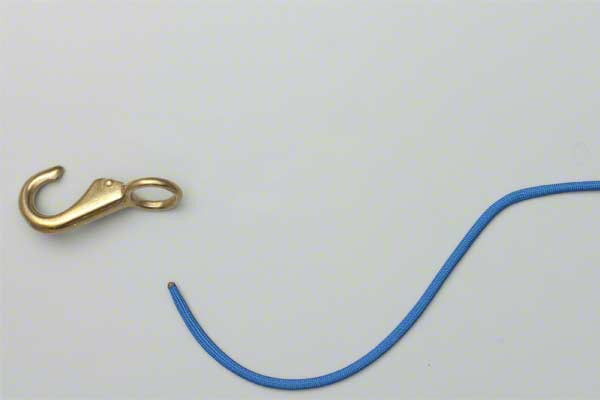
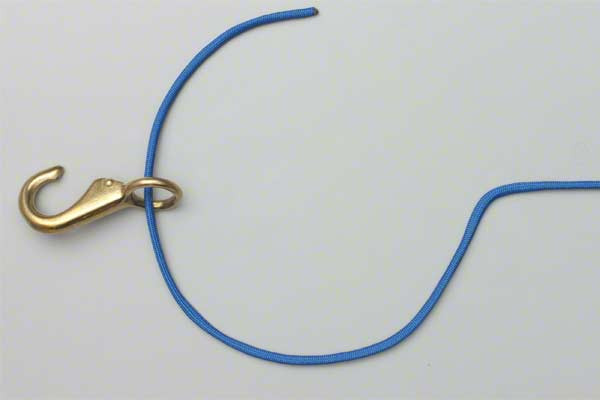
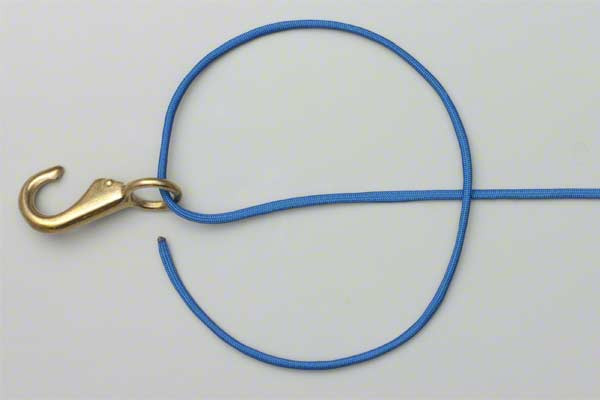
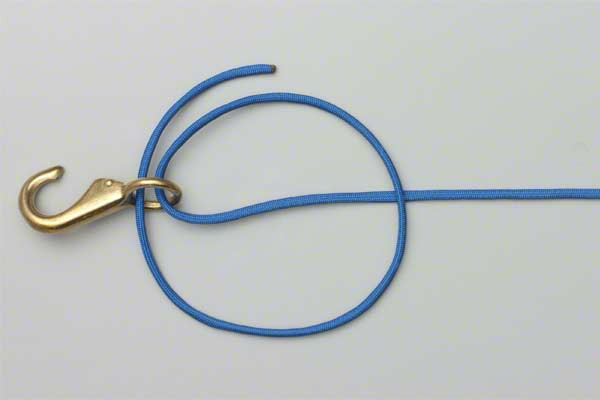
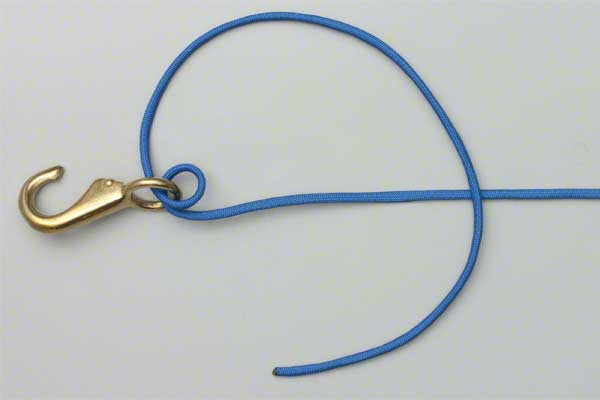
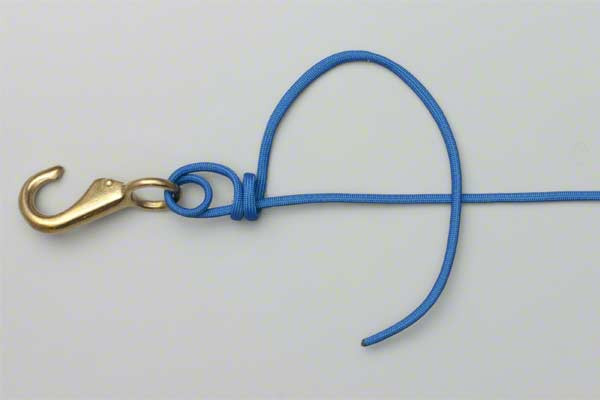
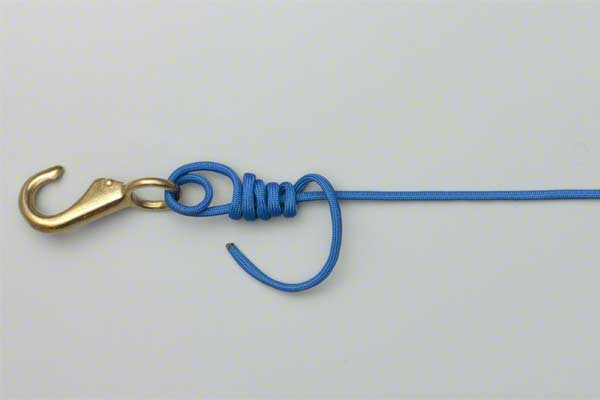
- Pass the tag end of the line through the eye twice. This creates a small double loop at the eye of the hook.
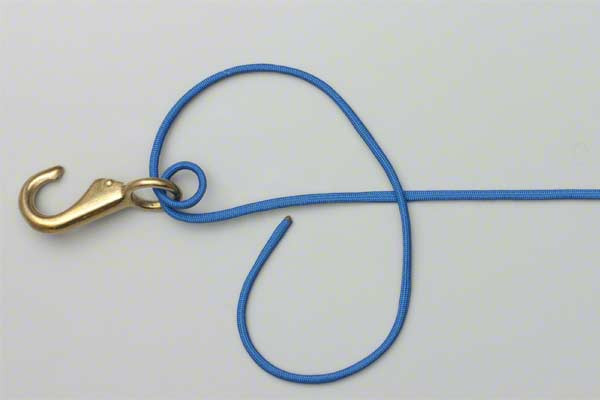
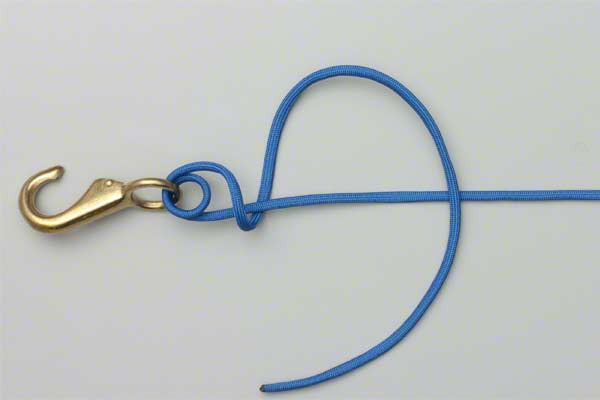
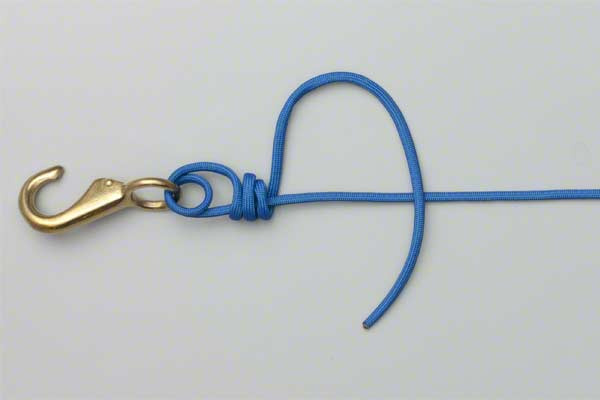
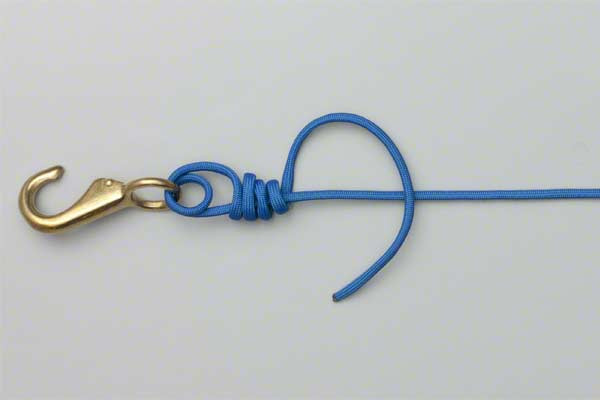
- Wrap it around the standing end five or six times. Ensure the wraps are neat and do not overlap haphazardly.
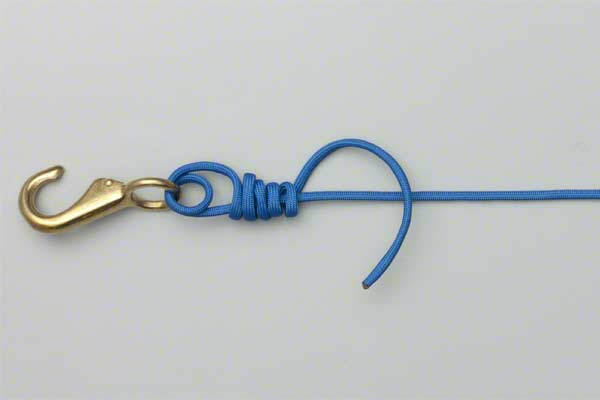
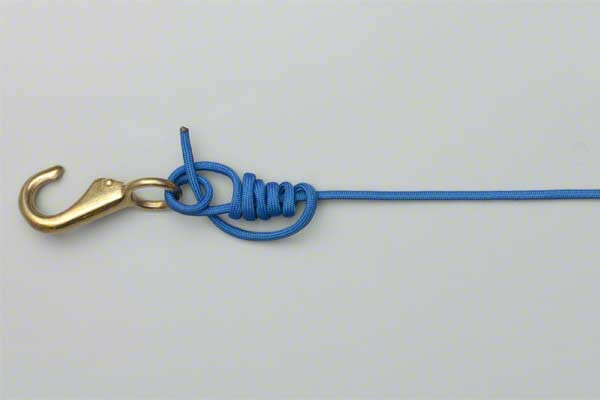
- Thread the end through the original loop beside the eye. This is the double loop you created in step one.
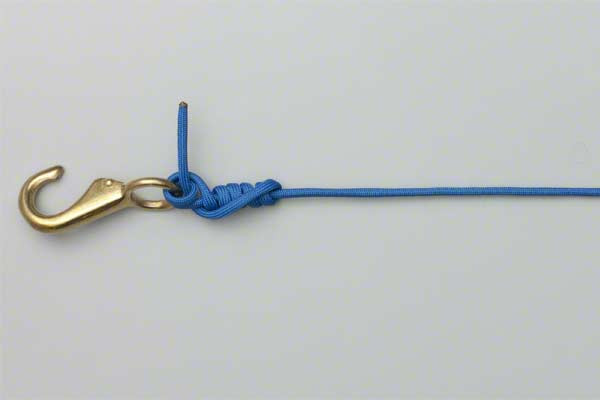
- Lubricate and pull the knot tight. Use water or saliva to minimize heat-producing friction, and pull steadily on both the tag end and the standing line to seat the coils.
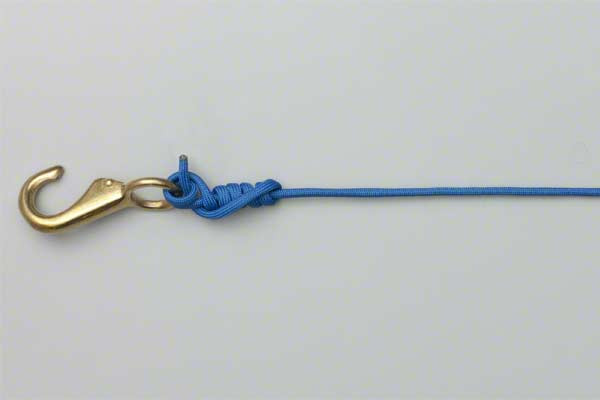
- Trim the end, but not too short. Leaving a small "tail" (about 1/8th of an inch) allows for minor settling without the knot coming undone.
Common Mistakes to Avoid
Even seasoned veterans can make errors when applying outdoor rope techniques. To ensure your Trilene Knot is fail-proof, watch out for these common pitfalls:
Failure to Lubricate
This is the number one cause of knot failure. When you pull the line tight, the friction creates heat. This heat can "burn" the line, causing it to become brittle and snap at a fraction of its rated strength. Always wet the knot before the final cinch.
Overlapping Wraps
When performing the five or six wraps around the standing end, the coils should stack neatly like a spring. If they overlap or cross over each other, the line can actually cut itself under tension.
Neglecting the Double Loop
If you only pass the line through the eye once, you have essentially tied an Improved Clinch knot, not a Trilene Knot. You will lose the added protection and strength that the double loop provides.
Trimming Too Close
In the heat of the moment, it is tempting to trim the tag end flush against the knot for a "clean" look. However, all knots "settle" slightly when they first experience a heavy load. A flush-cut tag end can pull back into the knot, causing it to unravel.
Related Knots and Splicing
Understanding a variety of rope knots allows you to adapt to different environments and gear requirements. Here are a few related techniques:
- Improved Clinch Knot: A staple for anglers, similar to the Trilene but uses a single pass through the eye, making it slightly less bulky but also slightly less strong.
- Palomar Knot: Renowned for its incredible strength and simplicity, this knot involves doubling the line before passing it through the eye and looping it over the hook.
- Uni Knot: A versatile, multi-purpose knot used for joining lines or attaching lures, known for its reliability across various line diameters and materials.
- Orvis Knot: A small, low-profile knot that is easy to tie and provides an excellent strength-to-size ratio for delicate presentations in clear water.
The Science of the Trilene Knot: Why It Works
From a technical standpoint, the Trilene Knot is a "friction knot." Its strength comes from the surface area contact between the line and the metal eye, and the line against itself. By passing the line through the eye twice, you effectively double the surface area at the point of greatest stress.
In physics, this is referred to as the Capstan Effect. When a line is wrapped around a cylinder (the hook eye), the tension on the line is dissipated through the friction of the wraps. Because the Trilene Knot has two wraps around the eye, the "standing part" of the line feels significantly less stress than it would with a single-wrap knot. This is why the Trilene Knot often tests at 100% of the line’s break strength—the knot itself is stronger than the line it is tied with.
Final Words
The Trilene Knot is a masterpiece of functional design within the realm of outdoor rope techniques. It balances ease of tying with a level of security that is difficult to match. By mastering the double-loop entry and the disciplined wrapping of the standing line, you ensure that your terminal connections are the strongest link in your gear chain, rather than the weakest.
Whether you are battling a trophy fish or securing essential equipment in the backcountry, the reliability of your rope knots is paramount. Practice the Trilene Knot until it becomes second nature; the peace of mind it provides is well worth the effort. Remember: double the eye, wrap with care, lubricate, and pull tight. Your gear—and your success—depend on it.
